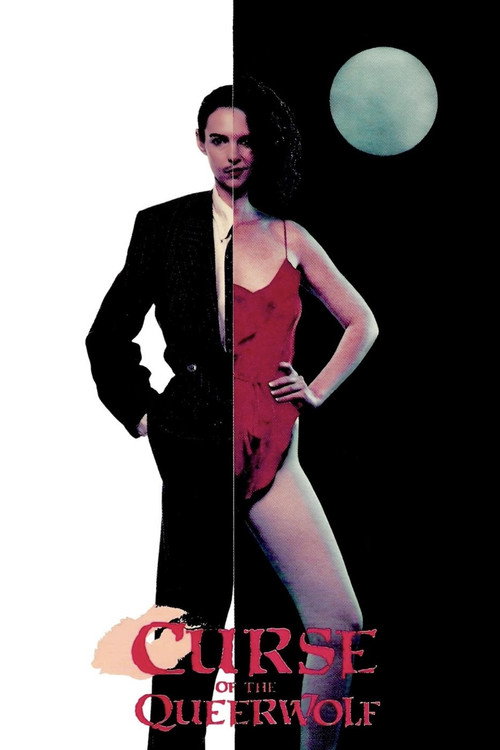
Curse of the Queerwolf
1988
No user ratings available yet
Representation score: 2.3 out of 10
Representation Score
Fair
1981
PGDirector
Larry Cohen
Runtime
95 minutes
Average Rating
No ratings yetNew Showbiz Analysis
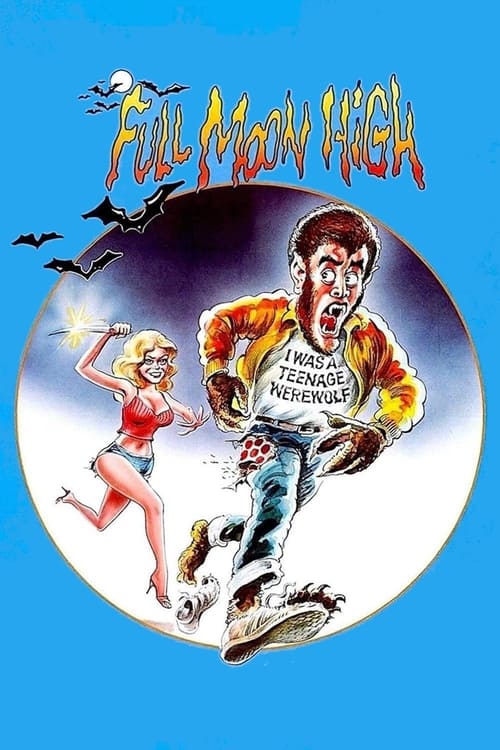
Full Moon High operates within the established social and cinematic frameworks of the early 1980s. While Larry Cohen uses the horror genre to challenge authority and institutional corruption, the film's social architecture remains largely traditional. The narrative centers on a male protagonist's physical transformation and the standard high school hierarchy, limiting the depth of representation for gender, race, and LGBTQ+ identities. Ultimately, the film prioritizes genre-driven tension over exploring social diversity.
Category Breakdown
The film follows typical 1980s social norms and doesn't explore LGBTQ+ identities deeply or challenge the assumption that everyone is straight or cisgender.
Female characters mostly play traditional roles within a teen comedy setting. The story follows a conventional storyline driven by male empowerment.
The cast reflects the demographic norms of early 1980s American cinema, focusing on a primarily homogeneous student body.
The narrative critiques institutional ethics, showing students rebelling against unethical experiments conducted by a secret organization.
The werewolf transformation is used as a supernatural horror plot device, rather than a nuanced exploration of disability.
Present on Screen
Limited or Absent
Official Synopsis
After a trip to Romania, popular high school quarterback Tony Walker becomes a werewolf, and struggles to come to terms with his hirsute situation.
1988
1935
1989
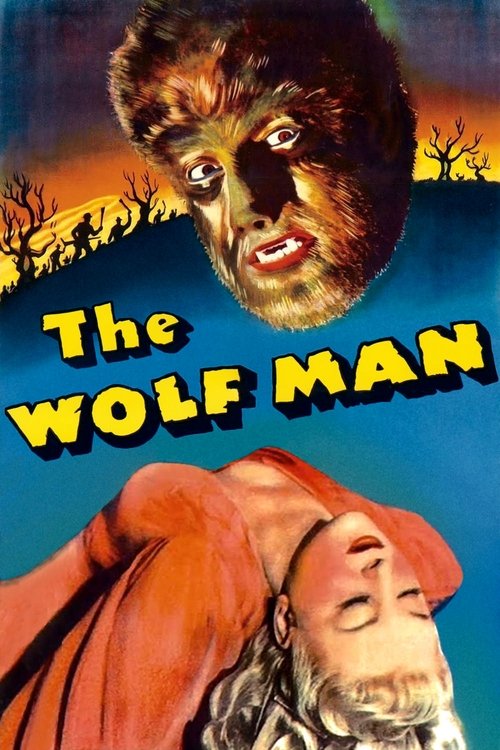
1941
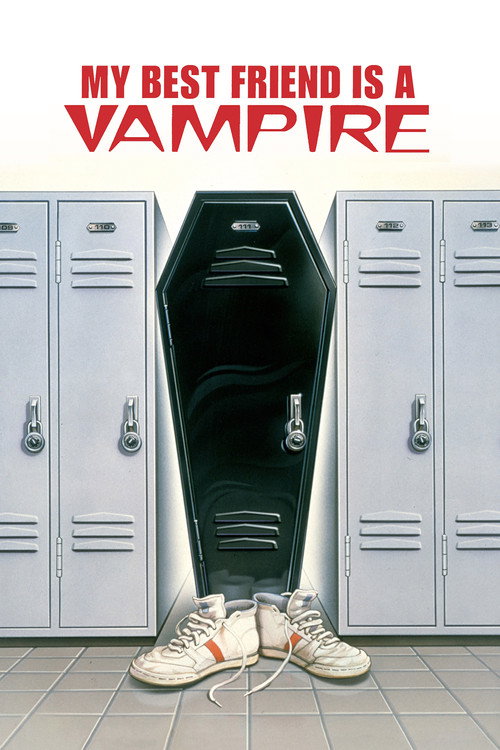
1987
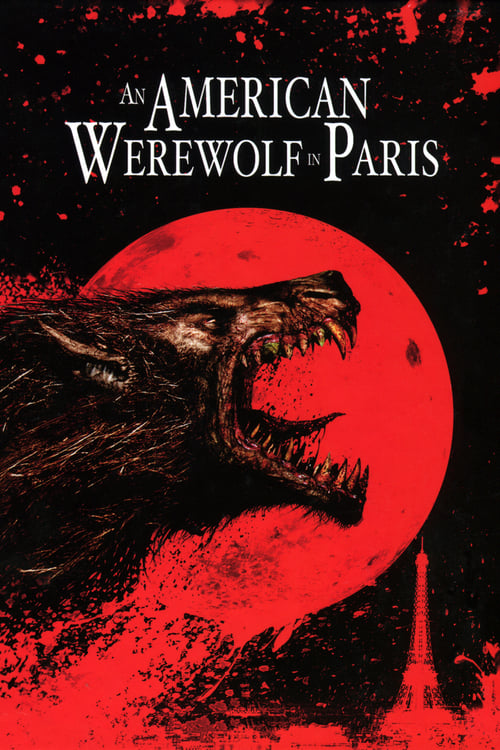
1997
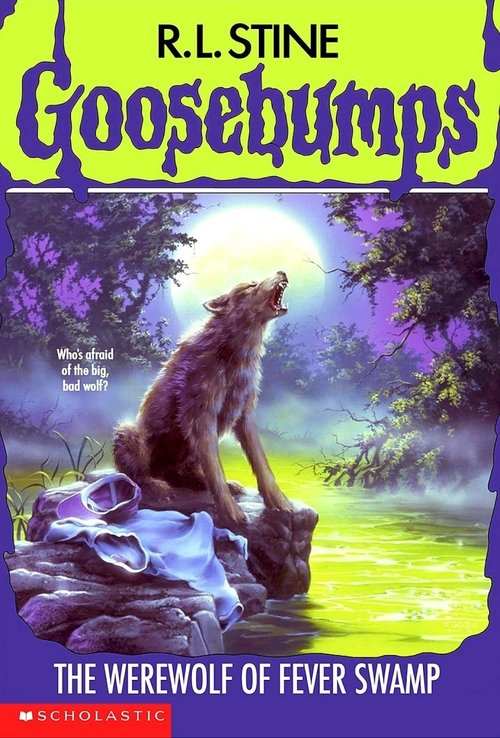
1996
1981
No reviews yet. Be the first to share your thoughts on this movie!
Use the rating form above to leave a star rating and optional review.