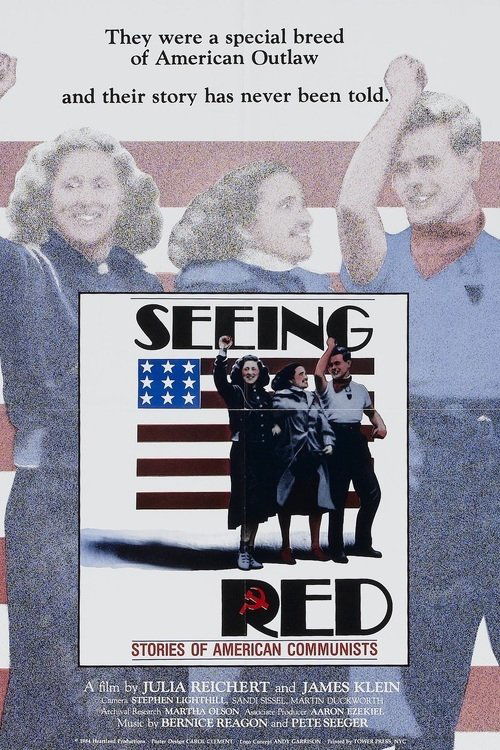
Seeing Red: Stories of American Communists
1983
No user ratings available yet
Representation score: 8.2 out of 10
Representation Score
Fair
2008
Director
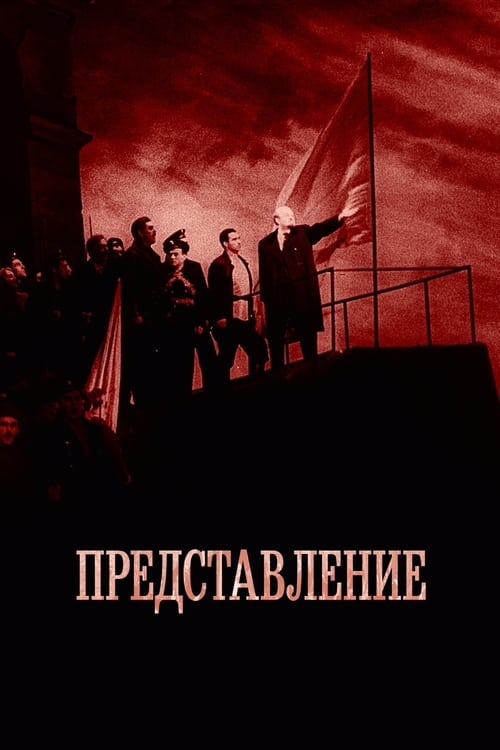
Sergei Loznitsa
Runtime
82 minutes
Average Rating
No ratings yetNew Showbiz Analysis
Sergei Loznitsa’s *Revue* acts as a critical look at the symbols and messages of the 1950s and 1960s. By piecing together various newsreels and propaganda, the film highlights the tension between the state’s prescribed narratives and the true experiences of people during that time. The film is limited by its reliance on archival materials, which inherently reflect the restrictive social norms of the Soviet era. It does not actively highlight modern, multi-layered identities, as the original sources were heavily censored. Ultimately, the film’s strength lies in its method of analysis. It uses the remnants of a controlled society to critique the very institutions that created them, providing a sophisticated view of the broader social structures.
Category Breakdown
The film reflects a time when everyone was assumed to be straight or cisgender, and there were strict rules about who could be shown on screen. Because of the Soviet-era restrictions, there are no clear examples of people who don't fit traditional gender roles in the old footage.
Women are often shown as symbols of hard work, motherhood, and farming. However, these images tend to reinforce traditional gender roles and state-imposed stereotypes rather than showing individual women taking control of their lives.
The footage captures the many ethnic groups that made up the Soviet republics. While diverse, these depictions often present a carefully curated, harmonious image of the state rather than exploring the unique experiences of individuals.
The film stands out by breaking down the single, dominant narrative of the Soviet era. It uses conflicting newsreels to contrast official propaganda with the real, personal stories of everyday life.
There is no confirmed information about the portrayal of people with disabilities. The focus remains mainly on industrial, political, and agricultural activities.
Present on Screen
Limited or Absent
Official Synopsis
As he did with his critically-acclaimed "Blockade," a documentary re-creation of the WWII siege of Leningrad, which received its NY theatrical premiere in March 2007, filmmaker Sergei Loznitsa has once again scoured the Russian film archives for "Revue," selecting excerpts from newsreels, propaganda films, TV shows and feature films that present an evocative portrait of Soviet life during the 1950s and 1960s. With scenes taken from the length and breadth of the “Soviet Motherland,” "Revue" illustrates industry and agriculture, political life, popular culture, and technology. The film’s fascinating flow of disparate scenes representing typical Soviet life of the period is, seen from today’s perspective, alternately poignant, funny, and tragic
1983
1928
1987
1975
2013
2006
2019

2018
No reviews yet. Be the first to share your thoughts on this movie!
Use the rating form above to leave a star rating and optional review.