La Ciénaga
2001
No user ratings available yet
Representation score: 8.4 out of 10
Representation Score
Fair
1990
Director
Juan Antonio de la Riva
Runtime
100 minutes
Average Rating
No ratings yetNew Showbiz Analysis
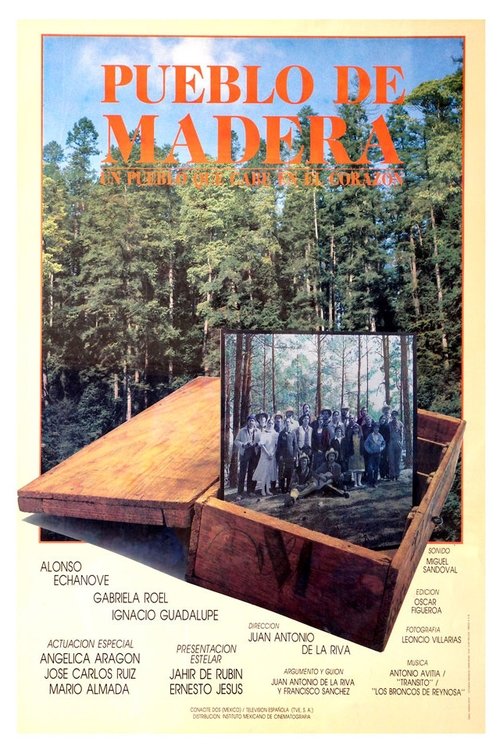
Wooden Town (1990) is a regional drama that shines in its cultural specificity. By focusing on San Miguel de Cruces, the film offers an authentic glimpse of a Mexican community adapting to economic and technological changes. The film stands out by providing a non-Western perspective, emphasizing the internal dynamics of the town over external clichés. This creates a meaningful portrayal of a community in transition. However, the film lacks representation in several areas. It doesn’t include LGBTQ+ identities or disability representation, and the gender roles tend to follow traditional patterns.
Category Breakdown
The film doesn't show same-sex relationships or non-binary gender identities. It focuses on teenagers forming their identities but follows conventional assumptions about gender and sexuality.
The story highlights the roles of men who migrate and the active involvement of the community. The focus on a local theater operator shows a distribution of influence beyond typical male leadership.
The film excels by setting its story entirely within a Mexican logging town. It avoids a colonial perspective, treating the local inhabitants as the main actors in their own history.
The narrative explores the tension between traditional community structures and global modern influences. It looks at how satellite technology affects local institutions like the town cinema.
There are no characters with visible or invisible disabilities mentioned in the narrative.
Present on Screen
Limited or Absent
Official Synopsis
In this film festival favourite, every day is magical in the tiny logging town of San Miguel de Cruces, Mexico, thanks to director Juan Antonio de la Riva, who captures the rhythms of small-town life through the stories of its inhabitants. From a young couple facing separation as the husband prepares to seek work in the United States to a pair of teens on the cusp of adulthood to the local movie theatre operator struggling to stay open after the introduction of satellite dishes, Pueblo de madera portrays a town—and a people—in transition.
2001

1956

2001

1999

2002

2010

1964

2005
No reviews yet. Be the first to share your thoughts on this movie!
Use the rating form above to leave a star rating and optional review.