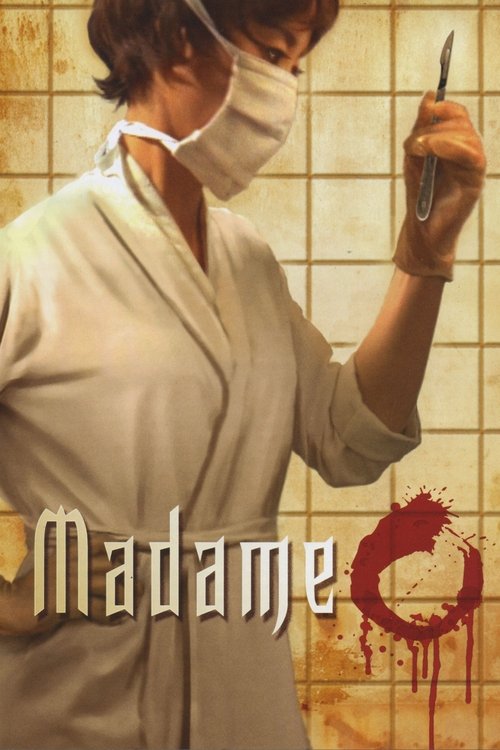
Madame O
1967
No user ratings available yet
Representation score: 5.2 out of 10

Representation Score
Good
1975
Director
Kan Mukai
Runtime
77 minutes
Average Rating
No ratings yetNew Showbiz Analysis
Deep Throat in Tokyo is a transgressive drama that uses horror elements to dismantle patriarchal and corporate structures. While the film lacks LGBTQ+ representation and a diverse cast, it offers a radical subversion of gender roles through its protagonist's violent reclamation of power. The narrative shifts from a melodrama of exploitation to a surreal critique of systemic oppression, highlighting Kumi's journey from a victim of bodily mutilation to a powerful inheritor of a corporate empire. Ultimately, the film's strength lies in its refusal to uphold traditional morality, favoring a protagonist who survives by dismantling the systems designed to subjugate her.
Category Breakdown
The film does not include explicit LGBTQ+ identities or narratives. Relationships focus on power struggles and sexual coercion within heterosexual dynamics.
Kumi challenges traditional gender roles by reclaiming control after experiencing extreme patriarchal violence. She transforms from a victim of male desire into a powerful figure who shapes her own destiny.
The cast is predominantly Japanese, reflecting the cultural context of the film. It avoids reinforcing Western-centric racial hierarchies.
The film critiques traditional corporate and familial institutions as corrupt and morally relative. It deconstructs established social orders through a lens of moral ambiguity.
The film depicts extreme bodily trauma and surgical modifications as tools of control. It lacks nuanced representation of disability, focusing instead on the impact of trauma.
Present on Screen
Limited or Absent
Official Synopsis
Kumi Taguchi is a model who leaves her boxer boyfriend after he sustains an injury. She meets and quickly marries Hideo, the heir to a corporate empire. Hideo's father, Takehiko, lusts after Kumi. Takehiko sends his son away, ostensibly on a business trip, but actually so that he can be murdered by Takehiko's henchmen. Takehiko seduces Kumi, but is frustrated when she refuses to perform oral sex on him. Angered, Takehiko forces Kumi to undergo surgery in which her clitoris is transferred to her throat, thereby requiring that she engage in oral sex in order to have an orgasm. Hideo, the supposedly murdered son, returns having paid off his assassins. Hideo shoots and kills his father, but Kumi grabs the gun and kills Hideo so that she can inherit the family's fortune
1967
1978
1982

1976

1974

1976

1970

1985
No reviews yet. Be the first to share your thoughts on this movie!
Use the rating form above to leave a star rating and optional review.