
First Love
2000
No user ratings available yet
Representation score: 6.8 out of 10

Representation Score
Fair
2008
Director
Shunichi Hirano
Runtime
95 minutes
Average Rating
No ratings yetNew Showbiz Analysis
Tokyo Boy is a character-driven romance focused on individual resilience and personal emotional growth. The narrative prioritizes the protagonist's psychological journey and peer connections over the exploration of systemic power dynamics. While the film provides a specific cultural lens through its Japanese setting and themes of familial abandonment, it stays within the bounds of conventional genre expectations. It lacks the complexity needed for a higher score and primarily functions as a study of adolescent connection and the aftermath of domestic instability.
Category Breakdown
The story focuses on heterosexual romantic development between Minato and Sho. There are no explicit representations of LGBTQ+ identities or critiques of the assumption that everyone is straight or cisgender.
Minato serves as a central female protagonist with significant control over her emotional journey. However, the character dynamics follow traditional gender roles without challenging these norms.
As a Japanese production, the film offers cultural specificity. It does not explicitly highlight the overlapping aspects of identity or subvert ethnic homogeneity within the ensemble.
The film explores familial instability and the burden of caring for a senile grandmother. It views these themes through personal trauma rather than broader societal issues.
The narrative introduces cognitive decline through the grandmother character. It remains unclear if this is treated with real power or used as a plot device.
Present on Screen
Limited or Absent
Official Synopsis
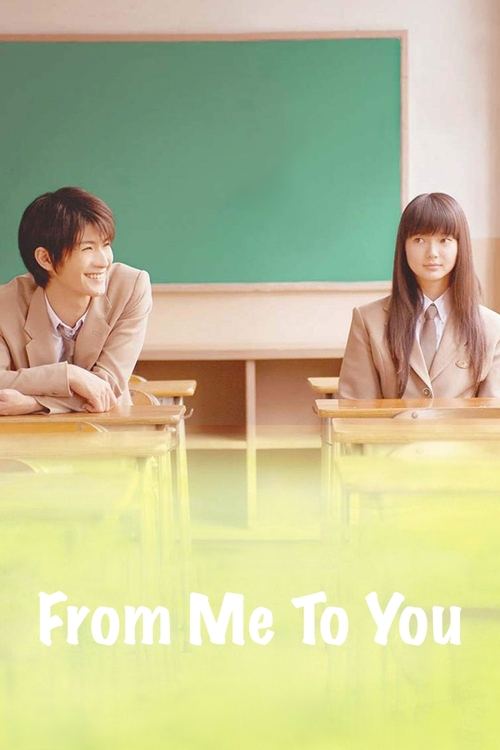
Minato is a young girl who was traumatized at a young age by being abandoned by her parents and left with her senile grandmother. She frequently corresponds with a pen-pal named Night, a boy about the same age as her that she's never actually seen in person. Although Minato and Night are very different - Minato is upbeat while Night is brooding, they get along anyway and she regularly updates him on the happenings in her daily life. Minato is even willing to confide in Night that she's falling in love with a boy she's recently met named Sho.
2000
2010

2005

2009

2007

2007

2023

2018
No reviews yet. Be the first to share your thoughts on this movie!
Use the rating form above to leave a star rating and optional review.