The Girl in the Sun
2013
No user ratings available yet
Representation score: 3.9 out of 10
Representation Score
Fair
2015
Director
Kei Horie
Runtime
94 minutes
Average Rating
No ratings yetNew Showbiz Analysis
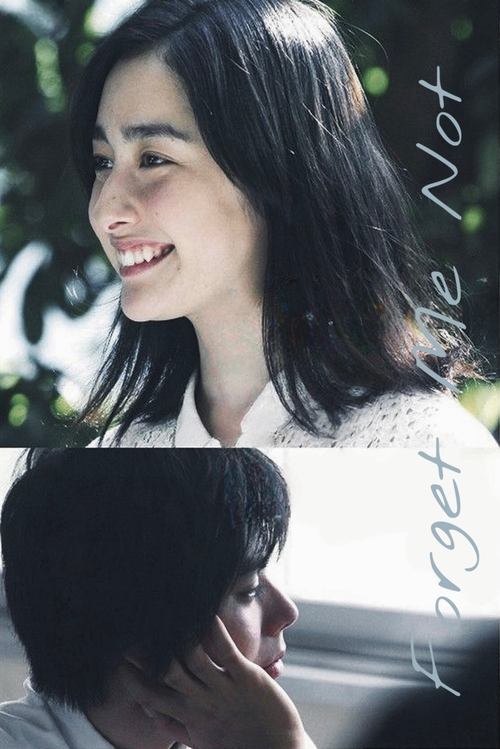
Forget Me Not is a character-driven romantic drama that prioritizes intimate emotional experiences over broader social critiques. It operates within a traditional straight-centered framework, exploring the fragility of human connection through a fantastical lens. The film adheres to conventional storytelling clichés, especially concerning gender roles and romantic structures. While the central supernatural conceit offers a unique way to explore connection, it does not actively challenge systemic social hierarchies. Ultimately, the production is a localized Japanese story that excels at personal storytelling but lacks the diverse breadth found in more inclusive contemporary cinema.
Category Breakdown
The story centers around a typical romantic pairing between Takashi and Azusa. There are no hints of queer-coded subtext or non-conforming gender identities within the main storyline.
The narrative follows a traditional romantic drama format. Although Azusa drives much of the conflict, her role is primarily defined by her relationship to the male protagonist.
Set within a Japanese high school, the cast and setting are ethnically uniform. The film offers a localized perspective without incorporating multicultural elements.
The film focuses on the subjective experience of memory and loss. It emphasizes the emotional significance of a singular relationship rather than critiquing social institutions.
Azusa’s condition serves as a supernatural metaphor for an invisible disability. The narrative gives her a significant role through her struggle to maintain human connections.
Present on Screen
Limited or Absent
Official Synopsis
Takashi Hayama is a third year high school student. He falls in love with Azusa Oribe at first sight and they begin to date. One day, Azusa tells Takashi "people who meet me, forget about me several hours later." Takashi doesn't believe Azusa, but by chance he realizes that he forgot about Azusa. So he won't forget Azusa, Takashi begins to leave a note for himself and Azusa.
2013
2010

2019

2016

2018
2022
2020

2009
No reviews yet. Be the first to share your thoughts on this movie!
Use the rating form above to leave a star rating and optional review.