
Blue Summer
2018
No user ratings available yet
Representation score: 2.0 out of 10
Representation Score
Minimal
2017
Director
Takehiko Shinjo
Runtime
119 minutes
Average Rating
No ratings yetNew Showbiz Analysis
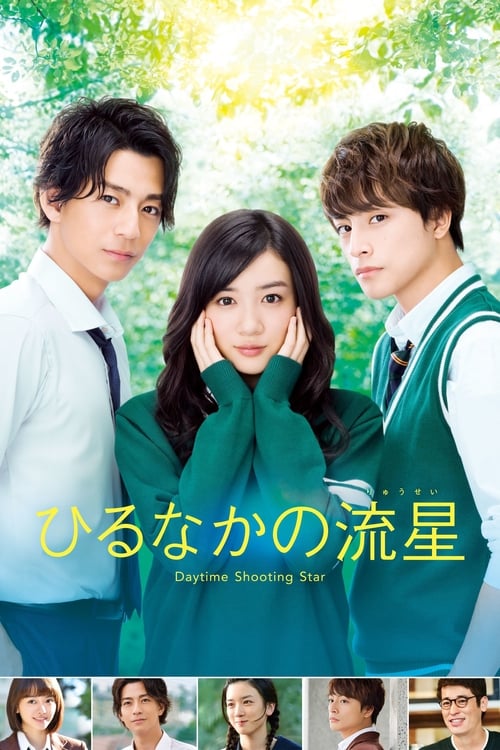
Daytime Shooting Star is a genre-specific romantic drama that prioritizes traditional narrative structures. It explores adolescent romance within a single cultural lens, reinforcing rather than challenging established social norms. The film relies on conventional shoujo clichés, resulting in a demographic homogeneity that limits its scope. It lacks the intentionality needed to introduce diverse or perspectives that reflect multiple aspects of identity. Ultimately, the story focuses on emotional realism within a singular cultural lens, offering little room for diverse or non-traditional representation.
Category Breakdown
The film strictly follows traditional romantic structures focused on heterosexual relationships. It centers on the emotional dynamics between a female protagonist and two male characters, without exploring queer subtext or non-binary gender identities.
Gender dynamics rely heavily on established genre clichés. The female lead often navigates emotions in response to the male leads' actions and charisma, playing a reactive role.
The production features a highly homogeneous cast within a domestic Japanese high school setting. It does not explore diverse or multi-layered identities through casting.
The narrative operates within a standard social framework, focusing on interpersonal relationships. It avoids systemic critiques or deconstructions of traditional familial and school hierarchies.
There is no representation of physical, sensory, or neurodivergent disabilities. Character struggles center on social and emotional navigation.
Present on Screen
Limited or Absent
Official Synopsis
Fifteen-year-old country girl Suzume Yosano has to move to Tokyo to live with her uncle due to her father's transfer. She bumps into a mysterious man who ends up taking her to her uncle's place after she gets lost. Turns out, Suzume will be seeing him a lot more often once she starts school because... he's her homeroom teacher?!
2018

2009

2024

2007
2017

2014
2018

2012
No reviews yet. Be the first to share your thoughts on this movie!
Use the rating form above to leave a star rating and optional review.