
Her Granddaughter
2015
No user ratings available yet
Diversity score: 5.2 out of 10
2018
Director
Ryuichi Hiroki
Runtime
97 minutes
Average Rating
No ratings yetSynopsis
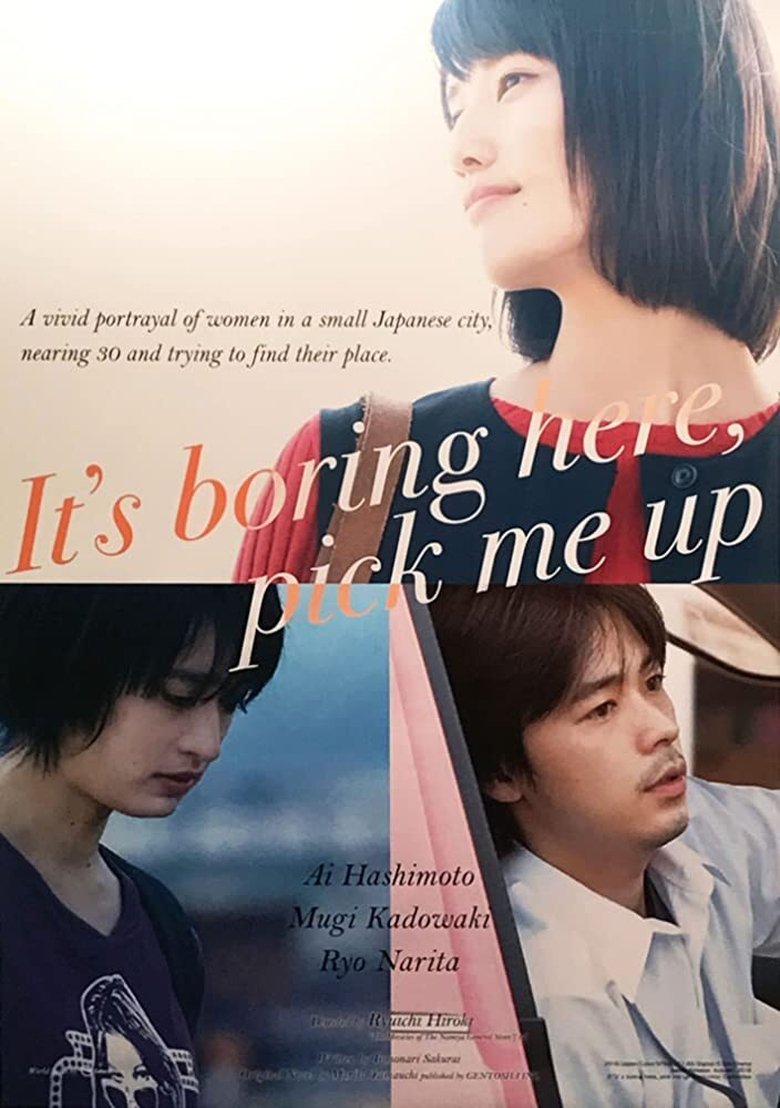
The first-person protagonist is a 27-year-old freelance writer who returns to her hometown from Tokyo, and she gets together with high school friend Satsuki and cameraman Suga to see Shiina, who they all admired in high school. Along the way, vivid memories from high school replay in the protagonist's mind.
Overall Score
Fair
Category Breakdown
LGBTQ+ Representation
The film explores nostalgic and potentially ambiguous emotional bonds between female characters. While it avoids rigid traditional romantic structures, it lacks explicit depictions of same-sex intimacy or non-cisnormative identities.
Gender Representation
The narrative centers on a female freelance writer and her peers, prioritizing her internal reflections and agency. This focus on female friendship avoids traditional submissive tropes, though a male cameraman maintains a standard social dynamic.
Racial & Ethnic Diversity
As a Japanese production, the film features a relatively homogeneous cast. It functions within regional cultural norms without utilizing diverse ethnic casting to challenge the status quo.
Religious & Cultural Diversity
The story critiques the stagnation of traditional environments through the protagonist's return to her hometown. It emphasizes subjective memory and emotional truth over rigid social structures.
Disability Representation
There is no evidence regarding the portrayal of physical or neurodivergent disabilities within the film's narrative.
Strengths
Areas for Improvement
AI Analysis
Ryuichi Hiroki’s film is a character-driven exploration of memory and connection. It avoids aggressive systemic deconstruction, opting instead for a nuanced look at individual agency and emotional complexity through a female-centric lens. The film succeeds in subverting traditional, goal-oriented masculine narratives by focusing on psychological exploration. However, the demographic presentation remains largely homogeneous, reflecting a standard domestic setting without significant ethnic or racial variety. While the film offers a progressive lean regarding female agency, it lacks explicit representation of LGBTQ+ identities or disability, resulting in a moderate overall diversity profile.
2015
2006
2020

2007

2015
2020
2007
2015

2018

2012

2014
2016
No reviews yet. Be the first to share your thoughts on this movie!
Use the rating form above to leave a star rating and optional review.