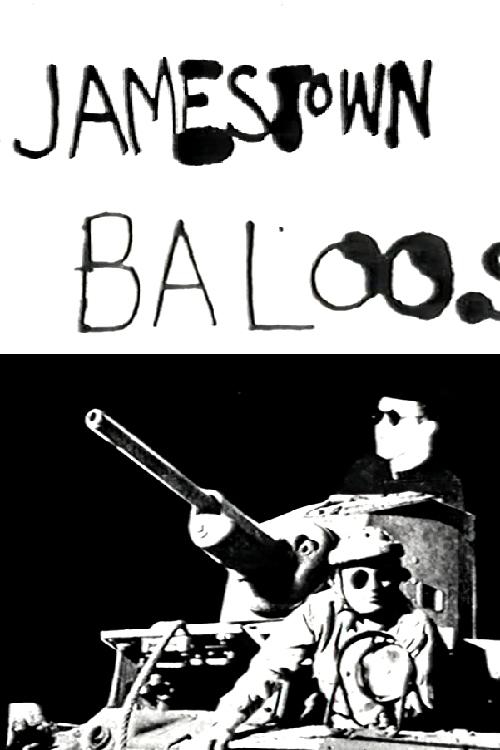
Jamestown Baloos
1957
No user ratings available yet
Representation score: 4.8 out of 10

Representation Score
Fair
1936
Director
Helen Biggar, Norman McLaren
Runtime
19 minutes
Average Rating
No ratings yetNew Showbiz Analysis
Hell Unltd is a purposeful, didactic film that uses experimental animation to challenge the socio-political status quo of the 1930s. Its primary impact lies in its cultural critique rather than in character-driven diversity. The film's strength is in its critique of traditional power structures and its disruption of the male-dominated cinematic hierarchy through its female leadership. It effectively uses avant-garde techniques to prioritize humanitarianism over nationalistic fervor. However, the film lacks explicit representation of LGBTQ+ identities, racial diversity, or disability. The abstract nature of the puppets and diagrams makes it hard to confirm specific underrepresented identities.
Category Breakdown
The film does not provide explicit evidence of LGBTQ+ characters or non-cisgender identities. The experimental animation allows for various interpretations, but there is no clear narrative detail about identity.
The inclusion of female director Helen Biggar disrupts the traditional power dynamics of the 1930s industry. The anti-war theme emphasizes humanistic values over militaristic ones.
Due to the use of puppets, diagrams, and animation, specific racial identities of characters remain unconfirmed. There is insufficient evidence to confirm diverse representation.
The film critiques state-sponsored violence and nationalism, emphasizing humanitarianism over patriotism and challenging the sanctity of military institutions and Western geopolitical norms.
The documentation does not provide any evidence regarding the portrayal of physical or neurodivergent identities.
Present on Screen
Limited or Absent
Official Synopsis
In this film Norman McLaren uses puppets, diagrams, animation and live-action to present an anti-war message for use by peace organizations.
1957
1944
1970
1941
1942
1942
1939

1914
No reviews yet. Be the first to share your thoughts on this movie!
Use the rating form above to leave a star rating and optional review.