
The Four Times
2010
No user ratings available yet
Diversity score: 4.2 out of 10
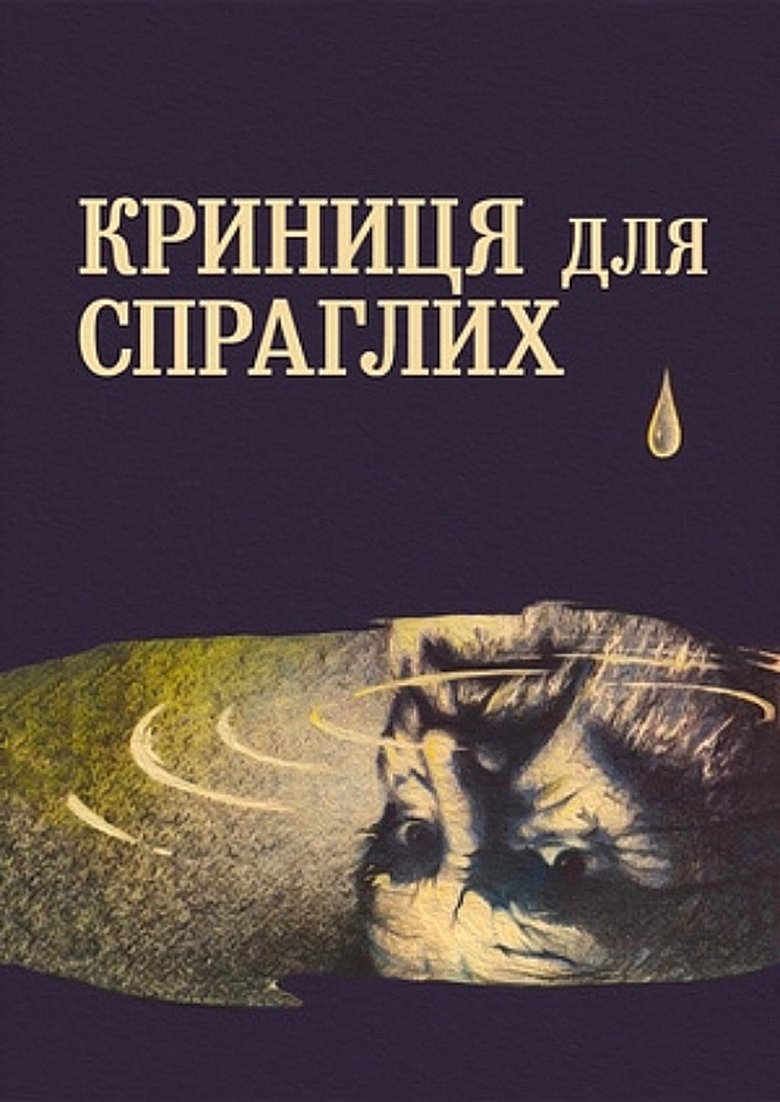
1965
Director
Yurii Illienko
Runtime
73 minutes
Average Rating
No ratings yetSynopsis
A parable centering on an old man who lives a secluded life in the desert, alone with only his memories and photographs. His wellspring, once a source of joy and hope for thirsty passersby, is now rarely used. No longer able to find comfort in his memories, he turns all his photographs to face the walls.
Overall Score
Fair
Category Breakdown
LGBTQ+ Representation
The film focuses on a solitary male figure and his relationship with memory. There is no evidence of queer narratives or non-cisnormative identities present.
Gender Representation
The story centers on an elderly male protagonist. It lacks the inclusion of diverse gender roles or the depiction of female agency to subvert traditional hierarchies.
Racial & Ethnic Diversity
Set in a desert, the film offers a non-Westernized aesthetic. However, the narrative remains a singular character study with a seemingly homogeneous focus.
Religious & Cultural Diversity
The parable explores existentialism and subjective morality. It moves away from state-mandated morality toward a secular, philosophical inquiry into an individual's internal truth.
Disability Representation
The protagonist's psychological struggle with memory suggests themes of grief or cognitive decline. The depiction of these internal mental health struggles remains nuanced but not explicit.
Strengths
Areas for Improvement
AI Analysis
A Spring for the Thirsty is a philosophical parable that prioritizes existential inquiry over demographic variety. It uses a desert setting and metaphorical gestures to explore isolation and the weight of memory. The film succeeds in deconstructing traditional legacies and religious morality through its focus on a protagonist in a state of withdrawal. It offers a deep, non-linear look at the human condition. However, the work lacks intersectional character markers. The narrative is heavily centered on a single male perspective, leaving little room for diverse gender, racial, or queer representation.
2010
1952
1969
1977
1970
2011

2014

1974
1998
1985
1987
2018
No reviews yet. Be the first to share your thoughts on this movie!
Use the rating form above to leave a star rating and optional review.