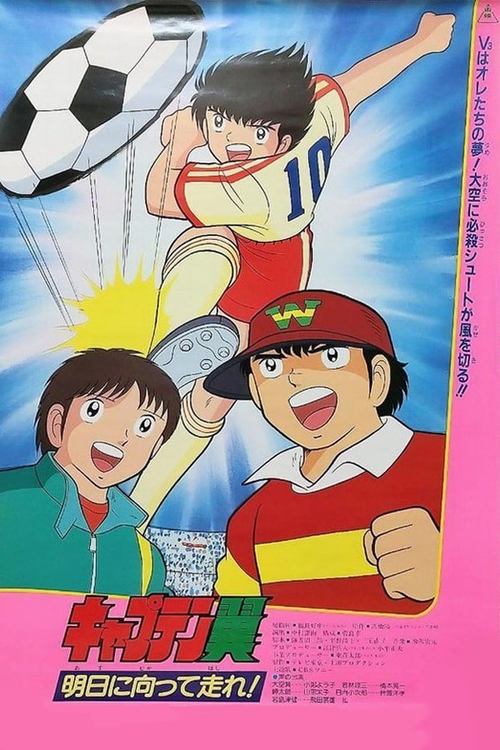
Captain Tsubasa Movie 03: Run Towards Tomorrow!
1986
No user ratings available yet
Representation score: 3.7 out of 10

Representation Score
Minimal
1969
Director
Tadao Nagahama
Runtime
90 minutes
Average Rating
No ratings yetNew Showbiz Analysis
This 1969 animation is a classic sports drama that prioritizes traditional narrative arcs of discipline, rivalry, and familial duty. The story centers on the tension between individual ability to act and the weight of parental expectation. While the film offers a nuanced look at complex family dynamics and generational conflict, it does so within a very narrow social framework. The focus remains strictly on masculine-coded competition and domestic cultural values. Ultimately, the work functions as a period-specific genre piece. It lacks the intentionality required to disrupt conventional social hierarchies or incorporate diverse, multi-layered identities.
Category Breakdown
The story focuses on traditional family structures and intense male rivalries. There are no characters with non-traditional gender identities or stories that challenge traditional norms.
The story centers on a male-dominated hierarchy, emphasizing father-son dynamics and male athletic competition. It remains anchored in patriarchal structures of mentorship and legacy.
Reflecting the demographic homogeneity of 1969 Japanese animation, the work focuses on domestic athletic achievement. It lacks evidence of diverse racial representation or multi-layered racial blending.
The film explores generational conflict and the burden of parental legacy. However, its themes of discipline and meritocracy align with traditional values rather than challenging systemic issues.
The synopsis provides no mention of characters navigating physical or neurodivergent disabilities.
Present on Screen
Limited or Absent
Official Synopsis
"Become the brightest star in the Giants' constellation!" Hyuma was told by his father, Ittetsu. Ittetsu entrusted his child, Hyuma, with a dream he couldn't fulfill. Despite rebelling against his father, Hyuma plays in Koshien through his eternal rival, Mitsuru Hanagata, and his encounter with his partner, Sota Ban.
1986
1997

1994
1988
1984

1985
1970
2015
No reviews yet. Be the first to share your thoughts on this movie!
Use the rating form above to leave a star rating and optional review.