To Shoot Without Shooting
1988
No user ratings available yet
Representation score: 1.9 out of 10
Representation Score
Limited
1970
Director
Eiji Okabe, Fumio Kurokawa
Runtime
65 minutes
Average Rating
No ratings yetNew Showbiz Analysis
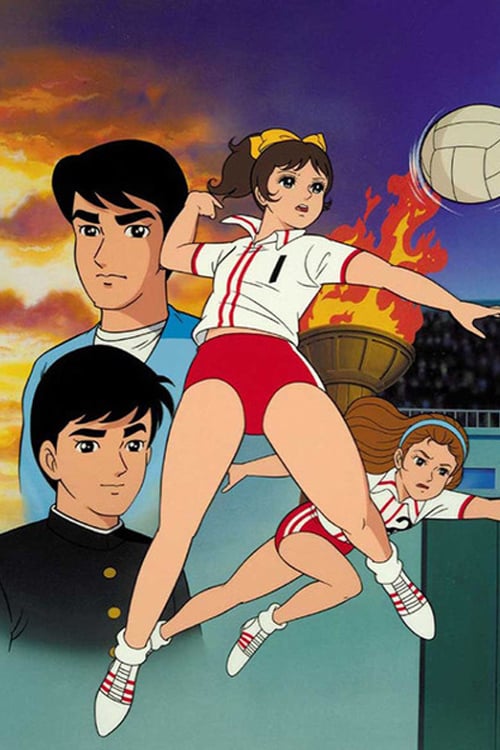
Attack No. 1 is a foundational sports drama that derives its progressive value from women's ability to drive the story. By centering on Kozue's pursuit of professional excellence, the work moves a female character from a passive role to a driver of her own destiny. However, the series lacks multi-layered complexity. It operates within the conventional storytelling structures of the 1970s, focusing on individual merit and the personal costs of ambition rather than deconstructing social hierarchies. The narrative remains largely homogeneous, focusing on a Japanese protagonist and traditional competitive frameworks without exploring broader systemic critiques or diverse identities.
Category Breakdown
The story does not include any characters with non-straight or non-cisgender identities. The plot centers on the protagonist's athletic journey and personal growth within a traditional framework.
Kozue is a strong female lead whose role is defined by physical competition and leadership. This challenges traditional gender roles, though the story follows a standard sports hero archetype.
The production maintains a culturally specific Japanese focus. While international competitions are mentioned, the narrative remains centered on a Japanese protagonist within a homogeneous setting.
The series explores the psychological toll of success and the complexities of envy. It functions as a character study on the pressures of excellence within established social structures.
There is no representation of characters with visible or invisible disabilities. The plot focuses strictly on the physical capabilities necessary for elite volleyball.
Present on Screen
Limited or Absent
Official Synopsis
Kozue is a high school girl and an enthusiastic volleyball player. Her dream is to play on the Japanese national volleyball team. Over the course of the series she makes it from the school district league up to the Japanese volleyball finals, step by step until the international volleyball championship. But the faster and higher Kozue climbs, the more she is confronted with the dark side of success: too-high expectations, self-conceit, and envy.
1988

2017
1979
2024
1978

1995
2015

2015
No reviews yet. Be the first to share your thoughts on this movie!
Use the rating form above to leave a star rating and optional review.