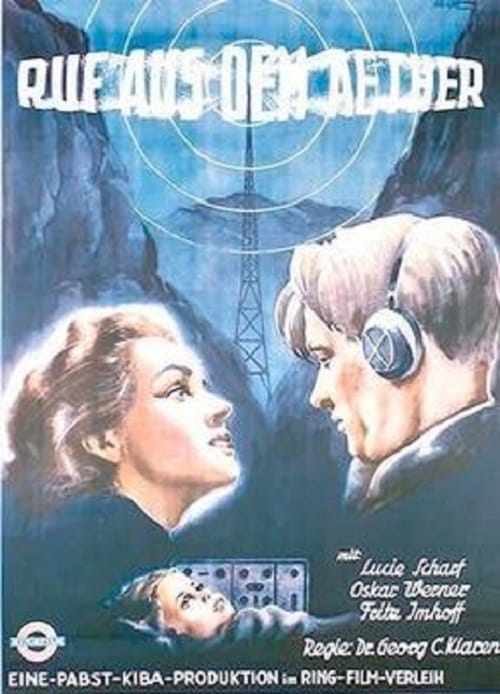
Call Over the Air
1951
No user ratings available yet
Diversity score: 2.3 out of 10
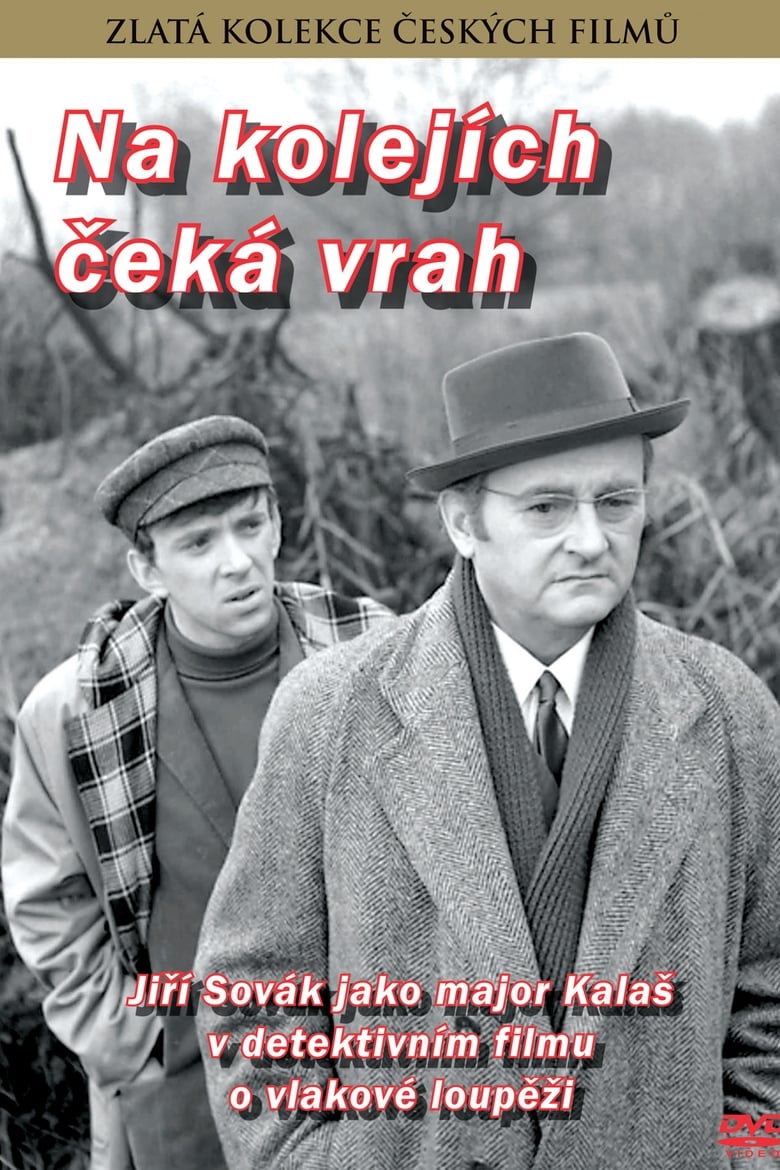
1970
Director
Josef Mach
Runtime
91 minutes
Average Rating
No ratings yetSynopsis
An escort composed of three people transports a huge amount of new one-hundred crown banknotes in a special railway car. At the 196th kilometer, a village girl is waiting at the railway crossing and spots two men removing some packages from the track. The scene is immediately followed by the report of a gun and the unwanted witness is shot dead. Soon afterwards, on the 201st kilometer, the train explodes. Only one of the escorts Lenk (Radoslav Brzobohatý) survives the explosion, taken to hospital with serious injuries. Criminologist Major Kalas (Jirí Sovák) and the very young Second Lieutenant Karlícek (Jaromír Hanzlík) patiently gather facts, leads and testimonies.
Overall Score
Limited
Category Breakdown
LGBTQ+ Representation
The film lacks any evidence of non-cisnormative gender identities or same-sex intimacy. It adheres to the traditional social structures common in 1970s Czechoslovakian cinema.
Gender Representation
The narrative centers on a male-dominated hierarchy of investigators and criminals. A village girl appears briefly as a plot catalyst but lacks agency within the story.
Racial & Ethnic Diversity
The cast and setting are homogeneous, reflecting the local population of the era. The film functions as a localized procedural without intentional racial blending.
Religious & Cultural Diversity
The story is situated within a state-controlled economic framework involving state currency. It emphasizes institutional stability and state security through its investigative characters.
Disability Representation
Lenk suffers serious injuries from an explosion, but it is unclear if this trauma is explored with agency. The role of physical injury remains ambiguous.
Strengths
Areas for Improvement
AI Analysis
A Killer on the Tracks is a period-specific crime procedural that prioritizes institutional order and male-led investigative hierarchies. The narrative structure is deeply rooted in the social and demographic realities of 1970s Czechoslovakia. The film offers very little in the way of intersectional representation or the subversion of social norms. Most characters exist to serve the central crime plot rather than to explore diverse identities. Ultimately, the work functions as a localized genre piece, focusing on state security and traditional power dynamics rather than social breadth.
1951
1963
1959
1967
1964
1971
1930
1963
1975
1956
1998
1966
No reviews yet. Be the first to share your thoughts on this movie!
Use the rating form above to leave a star rating and optional review.