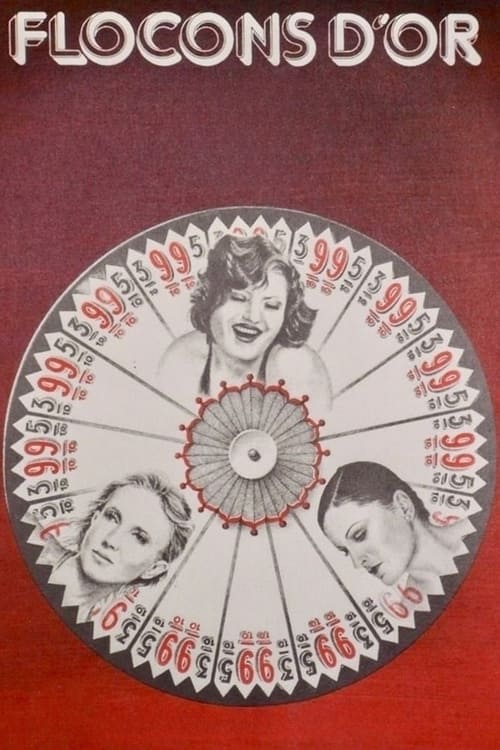
Gold Flakes
1976
No user ratings available yet
Representation score: 6.9 out of 10
Representation Score
Good
1984
Director
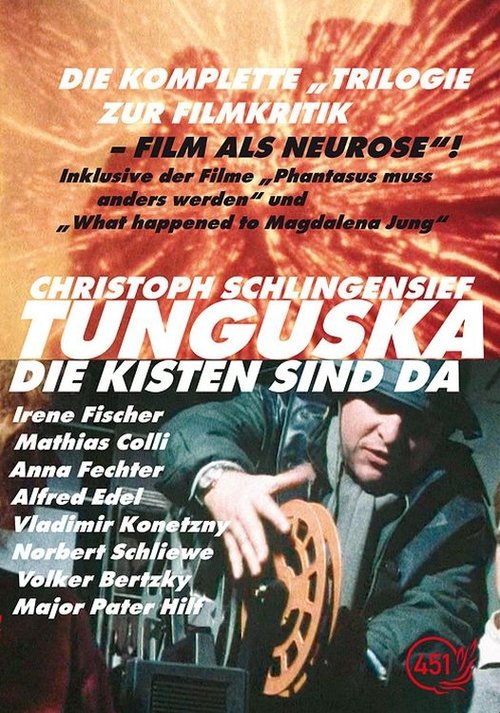
Christoph Schlingensief
Runtime
71 minutes
Average Rating
No ratings yetNew Showbiz Analysis
Christoph Schlingensief’s work functions as a radical deconstruction of cinematic and social hierarchies. By waging war on traditional narrative, the film avoids the conservative clichés found in mainstream commercial cinema of the 1980s. While the film lacks explicit demographic breadth or clear identity-based representation, its strength lies in its systemic rejection of organized societal structures. It replaces stable characterizations with a visceral, chaotic portrayal of human existence. Ultimately, the film's value is found in its subversion of the 'idealized' body and the bourgeois spectator's expectations, even if it lacks specific multi-layered visibility.
Category Breakdown
The film's fragmented and experimental structure avoids traditional storytelling focused on straight relationships. There is no evidence of explicit queer identities or specific LGBTQ+ character arcs.
Characters are shown in states of stumbling and screaming, which disrupts conventional gendered roles. This chaotic approach avoids reinforcing traditional masculine leadership or stable patriarchal structures.
The film focuses on localized, existentialist themes rather than intentional racial blending. It avoids mainstream homogeneous clichés by rejecting standard cinematic realism.
The work critiques established social orders through theatrical and cryptic outpourings. It prioritizes irrational, subjective experience over singular moral or religious frameworks.
Portrayals of stumbling and screaming characters suggest a focus on physical instability or behaviors associated with neurodivergent conditions. These elements present human frailty as a central cinematic experience.
Present on Screen
Limited or Absent
Official Synopsis
An early declaration of war on narrative cinema, using a barrage of visual and acoustic elements while at the same time juggling ironically - as he still does - with the term 'avant-garde'. A number of other preferences and obsessions were evident at an early stage, e.g. the mind-numbing habit of having his people stumbling and screaming around: life as a race track. His films likewise feature a lot of theatrical and cryptic outpourings. No wonder that they failed at the box office. No wonder either, however, that Schlingensief was attracted to theatre.
1976

2001
1981
2014
1969

1965
1969

2007
No reviews yet. Be the first to share your thoughts on this movie!
Use the rating form above to leave a star rating and optional review.