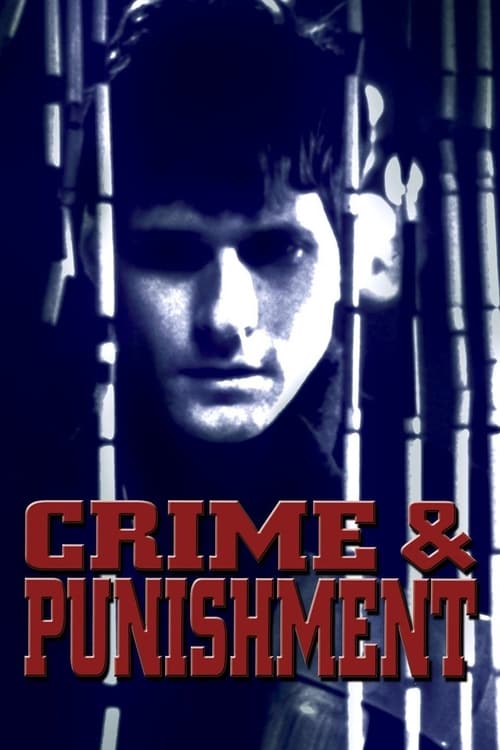
Crime and Punishment
2002
No user ratings available yet
Representation score: 1.9 out of 10
Representation Score
Limited
2002
Director
Julian Jarrold
Runtime
180 minutes
Average Rating
No ratings yetNew Showbiz Analysis
This adaptation focuses heavily on historical realism and the psychological disintegration of its protagonist. It prioritizes the socioeconomic realities of 19th-century Russia over modern demographic diversity. The film succeeds in its sophisticated critique of class struggle and moral relativism. However, it remains limited by its adherence to traditional period aesthetics and narrow focus on straight relationships. While the portrayal of mental instability is nuanced, the lack of LGBTQ+ and racial representation keeps the overall diversity score low.
Category Breakdown
The film stays true to the rigid social structures of 19th-century Russia. There is no presence of queer subtext or non-straight identities within the main character arcs.
Sonya Marmeladov's role critiques the systemic pressures on women, but it leans into the 'suffering woman' cliché. Power dynamics are still governed by patriarchal and economic structures.
The cast is ethnically uniform, reflecting the historical setting and source material. The production opts for a traditionalist approach to historical authenticity rather than diverse casting.
The narrative excels at critiquing socioeconomic hierarchies and systemic inequality in Saint Petersburg. It uses the Orthodox Church as a pillar of redemption while highlighting institutional failures.
The film offers a nuanced portrayal of Raskolnikov’s psychological fragmentation and neurosis. It treats his mental instability with ability to act rather than relying on reductive caricatures.
Present on Screen
Limited or Absent
Official Synopsis
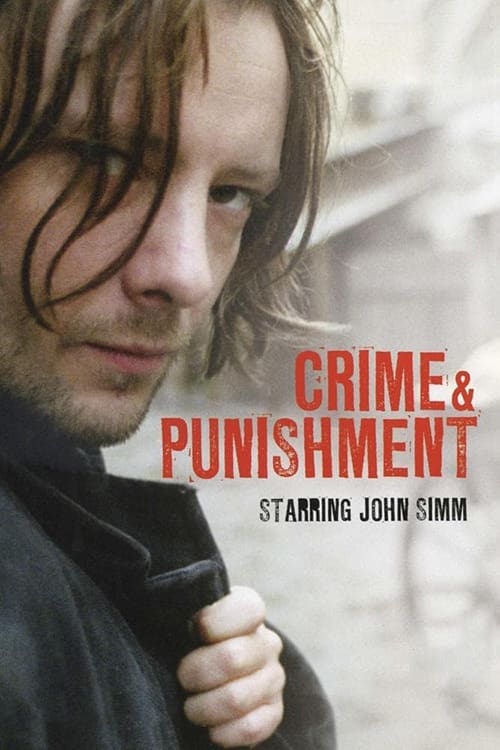
Former student Raskolnikov is pushed to murder when struggling to pay the rent on his apartment. When the murder is being investigated by the police, Raskolnikov struggles between trying to hide his guilt and the pressure to confess.
2002

2022
1956
1939
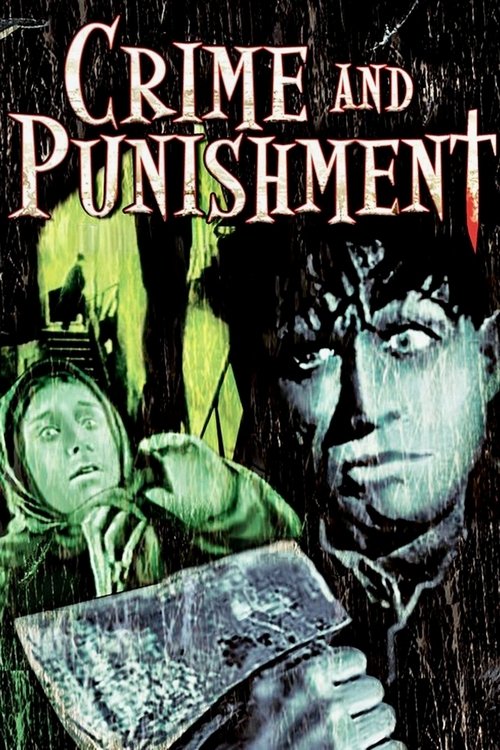
1923
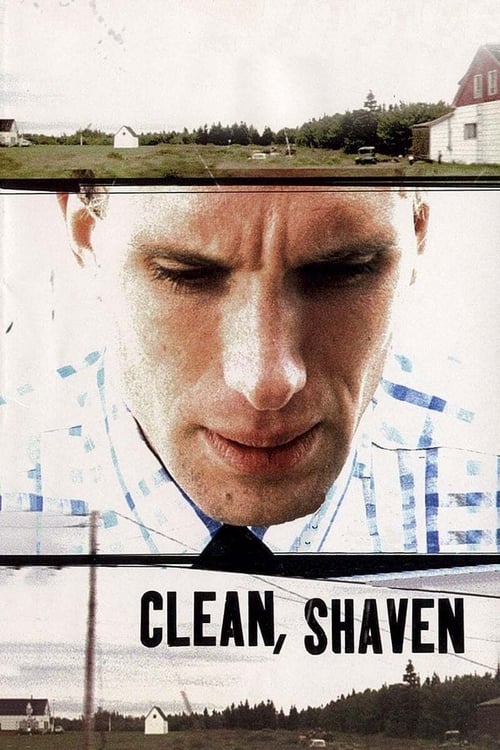
1995
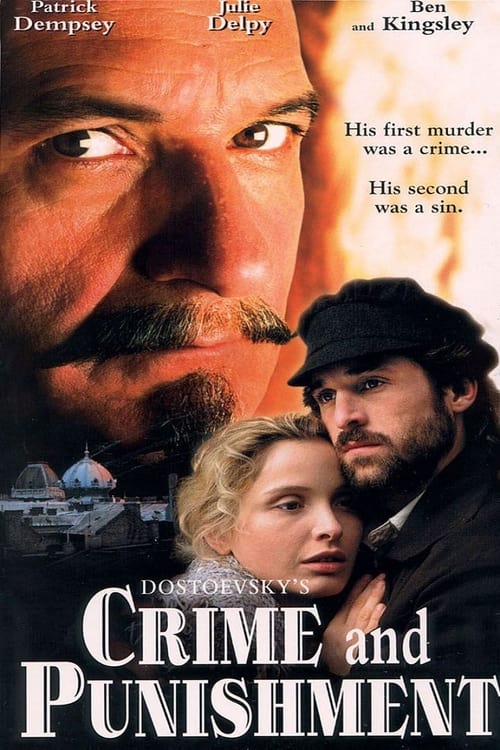
1998
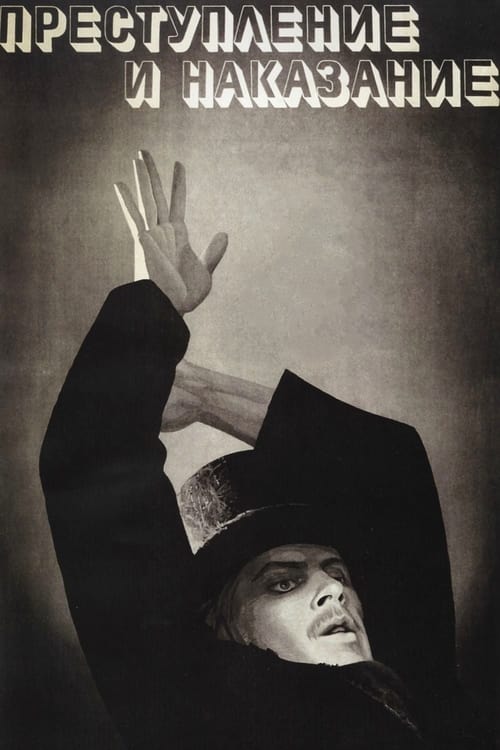
1970
No reviews yet. Be the first to share your thoughts on this movie!
Use the rating form above to leave a star rating and optional review.