
Crime and Punishment
2002
No user ratings available yet
Representation score: 3.6 out of 10

Representation Score
Limited
1998
PG-13Director
Joseph Sargent
Runtime
120 minutes
Average Rating
No ratings yetNew Showbiz Analysis
This adaptation focuses on maintaining historical and literary authenticity to Dostoevsky's original setting. It operates as a traditional character study that reinforces established social and religious hierarchies. The film's representation is limited by its period setting, resulting in a homogeneous visual landscape and conventional gender dynamics. While it delves deeply into psychological themes, these are framed through a lens of moral crisis rather than identity.
Category Breakdown
The film follows traditional 19th-century social norms where LGBTQ+ identities are not represented. There is no depiction of same-sex relationships or non-binary gender identities.
Sonya Marmeladov is a central figure who embodies moral virtues through self-sacrifice within a patriarchal society. The male protagonist dominates the plot and intellectual development.
The cast primarily consists of white actors, reflecting the demographics of 19th-century Saint Petersburg. The production emphasizes historical accuracy over diverse casting.
The story upholds Orthodox Christian values and spiritual redemption through Sonya. It portrays the rejection of traditional morality as a descent into psychological turmoil.
Raskolnikov's mental instability is portrayed as a consequence of moral and philosophical dilemmas. These psychological issues are framed as moral crises rather than neurodivergent experiences.
Present on Screen
Limited or Absent
Official Synopsis
Former student Raskolnikov is pushed to murder when struggling to pay the rent on his apartment. When the murder is being investigated by the police, Raskolnikov struggles between trying to hide his guilt and the pressure to confess.
2002

1989

2002

1989

1956
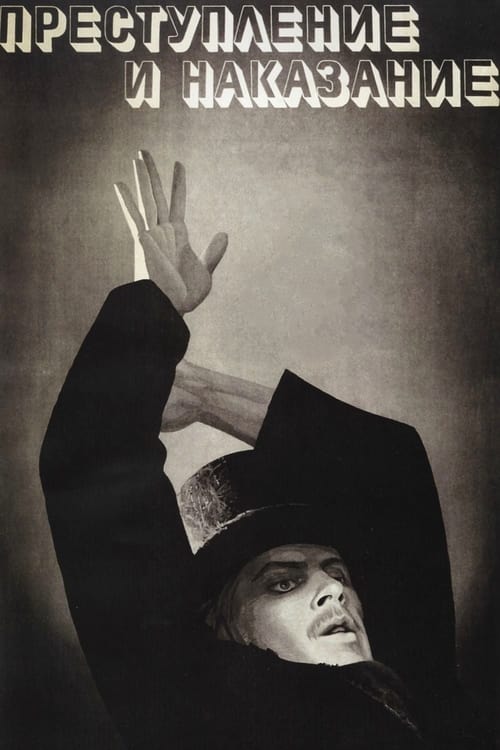
1970
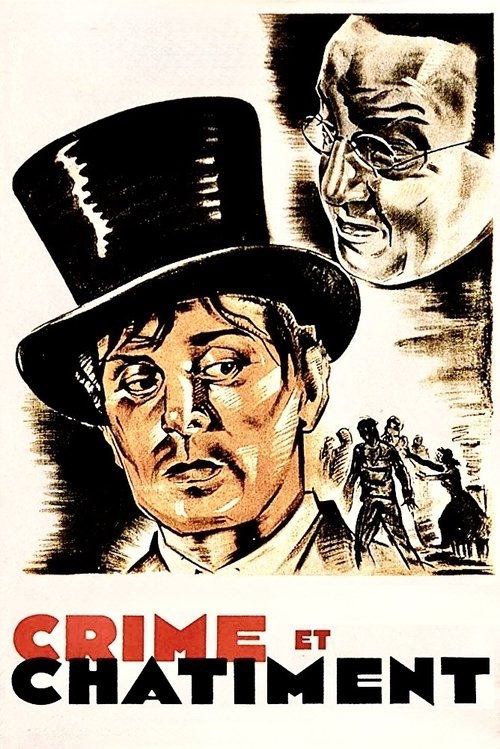
1935
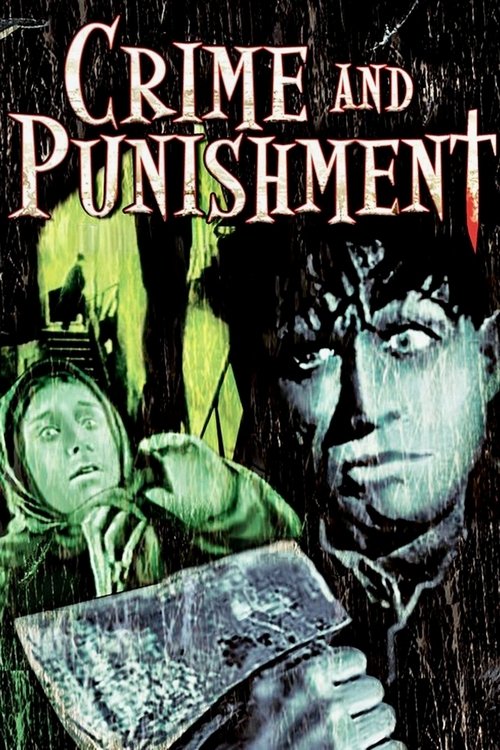
1923
No reviews yet. Be the first to share your thoughts on this movie!
Use the rating form above to leave a star rating and optional review.