
Terraferma
2011
No user ratings available yet
Representation score: 3.8 out of 10
Representation Score
Good
2011
Director
Ermanno Olmi
Runtime
87 minutes
Average Rating
No ratings yetNew Showbiz Analysis
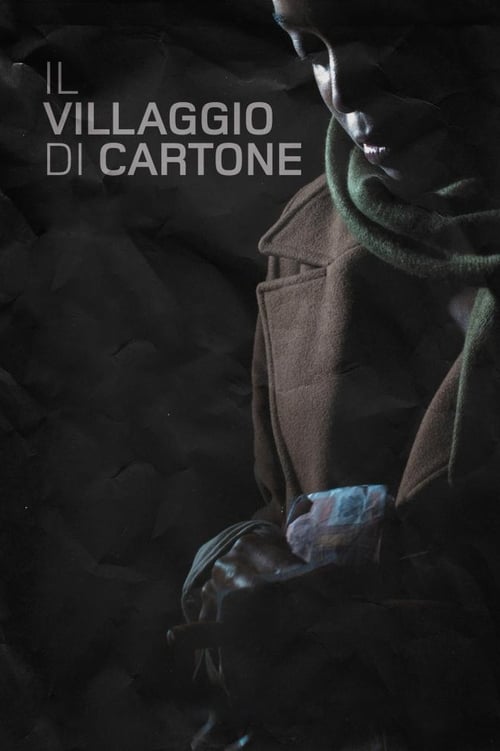
Ermanno Olmi’s drama stands out by giving African immigrants significant roles in shaping their environment. By repurposing a church as a site for a cardboard village, the film successfully disrupts the uniformity of religious spaces. The narrative strength lies in its critique of institutional rigidity, pitting bureaucratic orders against a more fluid, human-centric morality. This forces a confrontation between dogma and the lived realities of displaced individuals. While the film excels in critiquing racial and cultural norms, it remains limited in exploring other identities such as gender or LGBTQ+ issues.
Category Breakdown
The film lacks explicit evidence of LGBTQ+ characters or non-assuming gender matches what was assigned at birth identities. The narrative focus remains centered on the tension between immigrant populations and religious institutions.
The story revolves around an elderly priest, a role traditionally associated with patriarchal authority. However, the film challenges this by highlighting a conflict between institutional rules and human empathy.
African immigrants are portrayed as active participants rather than passive victims. They construct a village within a traditionally Western religious space, asserting their presence and influence.
The film critiques Western institutionalism by contrasting religious dogma with human compassion. It depicts the Church as a rigid institution that can lose touch with immediate human suffering.
There is no specific mention of physical or neurodivergent disabilities in the narrative.
Present on Screen
Limited or Absent
Official Synopsis
When a group of African immigrants builds a cardboard village between the pews of a church soon to be closed, an elderly priest must choose between his calling and his orders.
2011

2012

2011
1994
2007

2018

2006

2011
No reviews yet. Be the first to share your thoughts on this movie!
Use the rating form above to leave a star rating and optional review.