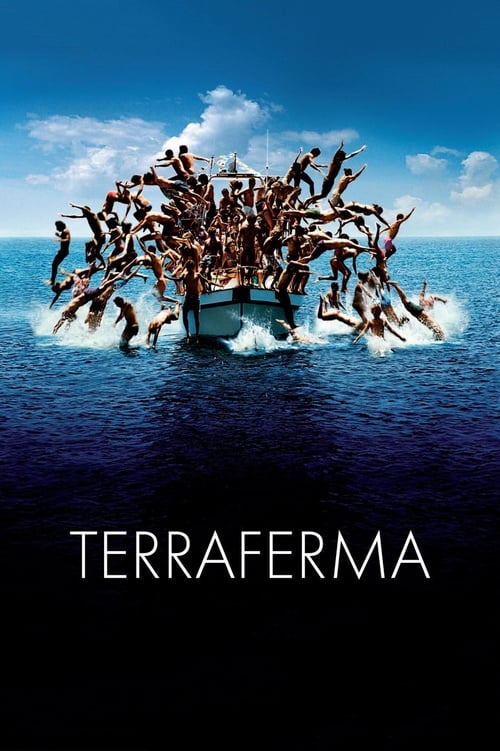
Terraferma
2011
No user ratings available yet
Representation score: 3.8 out of 10

Representation Score
Good
2011
Director
Stefano Chiantini
Runtime
92 minutes
Average Rating
No ratings yetNew Showbiz Analysis
Islands provides a nuanced exploration of the immigrant experience, focusing on the journey of Ivan and the challenges he faces. By centering Ivan, the film challenges traditional Eurocentric narratives and addresses issues of xenophobia and social integration. The film also offers a realistic portrayal of religious figures and physical vulnerability. Father Enzo’s stroke and Martina’s specialized vocation add layers of realism and depth to the character studies. However, the narrative remains somewhat traditional in its gender dynamics and lacks queer representation. While it challenges religious and social archetypes, the central conflict still revolves around a masculine-centric struggle for dignity.
Category Breakdown
The film does not include any explicit mention of LGBTQ+ characters or non-straight relationships. The narrative focuses on the relationship between the immigrant protagonist, Martina, and Father Enzo.
Martina stands out by pursuing a solitary career in beekeeping, which breaks away from typical domestic roles. However, the main conflict revolves around the male protagonist's quest for respect and dignity.
The story centers on Ivan, a wandering immigrant, challenging traditional Eurocentric narratives. It delves into the issues of xenophobia and the integration of newcomers into a cautious local community.
The film portrays religious figures in a realistic light, showing Father Enzo as a bitter, frail man instead of an idealized figure. It also questions traditional land and legacy hierarchies.
Father Enzo’s struggle with the aftereffects of a stroke provides a nuanced look at physical vulnerability. His condition is woven into his character development rather than serving as a mere plot device.
Present on Screen
Limited or Absent
Official Synopsis
Ivan, a drifting immigrant in search of work and dignity, lands on an Italian island only to be met with cruelty and betrayal. Just as hope fades, he finds refuge with Martina—a silent soul who tends bees—and Father Enzo, a gruff priest with a generous heart buried beneath bitterness and stroke. As Ivan becomes part of their fragile household, he brings light to Enzo’s dark days and slowly earns Martina’s trust. But in a town wary of outsiders and family tensions simmering over land and legacy, harmony is hard-won.
2011
1994

1998
2012
2006
2019
2012
2013
No reviews yet. Be the first to share your thoughts on this movie!
Use the rating form above to leave a star rating and optional review.