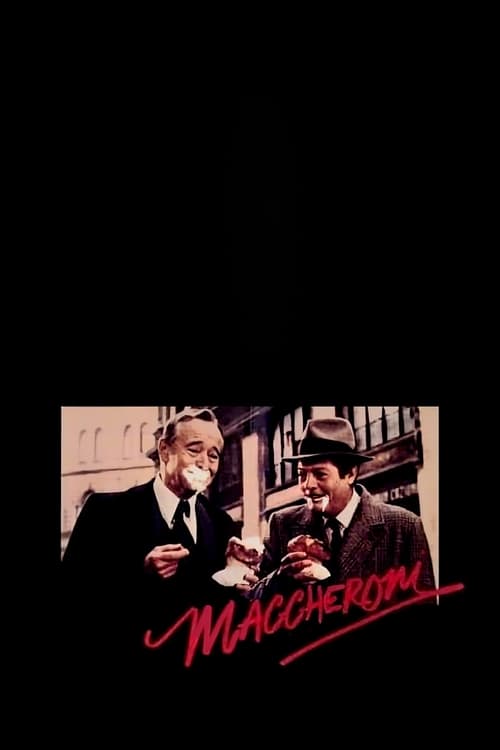
Macaroni
1985
No user ratings available yet
Representation score: 7.0 out of 10
Representation Score
Limited
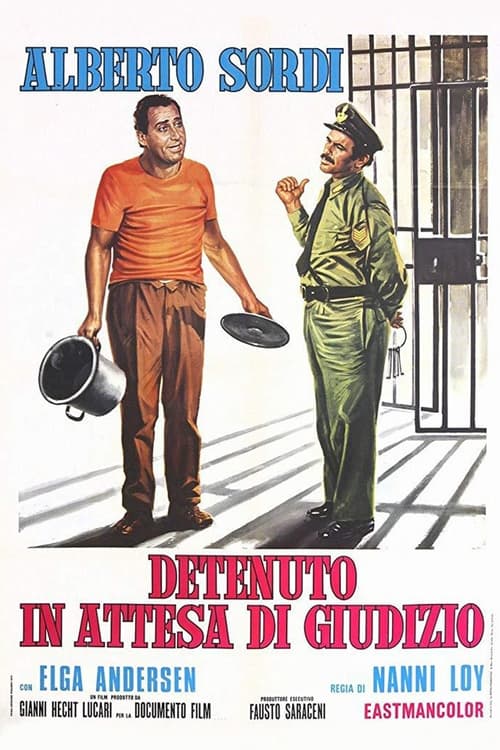
1971
PGDirector
Nanni Loy
Runtime
98 minutes
Average Rating
No ratings yetNew Showbiz Analysis
The film serves as a critique of intellectual complacency, using a circular narrative to show how skepticism can hinder social and scientific progress. It focuses on philosophical satire rather than specific demographic representation. Despite the absence of explicit LGBTQ+ or disabled characters, the film excels in its cultural critique. By presenting skepticism as a tool of established powers, it challenges traditional authorities and institutional stagnation. Overall, the film presents a simplified, universal view of humanity through symbolic characters. This approach avoids racial hierarchies but lacks depth in exploring multiple aspects of diversity.
Category Breakdown
The film uses anthropomorphic and stylized characters for philosophical satire. There are no LGBTQ+ characters or stories about non-straight relationships.
The story uses typical character types, which limits the exploration of gender hierarchies. However, it challenges traditional patriarchal structures by rejecting static leadership roles.
Through animation and anthropomorphism, the film avoids reinforcing racial hierarchies but does not actively tell race-conscious stories.
The film effectively critiques institutions that resist change. It shows how preserving the status quo can be a form of systemic oppression against progress.
There are no characters with visible or invisible disabilities that play a significant role in the story or have ability to act.
Present on Screen
Limited or Absent
Official Synopsis
Giuseppe Di Noi, an Italian surveyor living in Sweden, gets arrested at the border while going back to Italy with his family for a vacation. But can someone tell the man why?
1985

1957

1972

1962

1974

1942

2019

1991
No reviews yet. Be the first to share your thoughts on this movie!
Use the rating form above to leave a star rating and optional review.