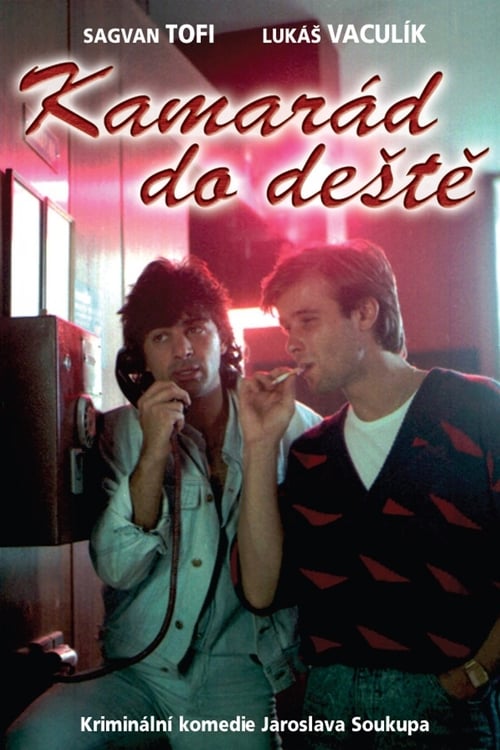
Kamarád do deště
1988
No user ratings available yet
Representation score: 1.9 out of 10
Representation Score
Minimal
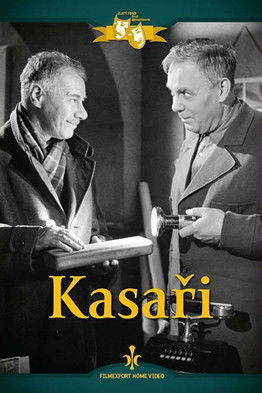
1958
Director
Pavel Blumenfeld
Average Rating
No ratings yetNew Showbiz Analysis
Kasaři is a product of its specific historical and geopolitical era, adhering to the social norms of 1950s Czechoslovak cinema. The narrative structure is built around a homogeneous male ensemble, which limits the scope of identity-based storytelling. While the film provides a nuanced look at systemic suspicion through Josef Fiala's predicament, it lacks complexity in representing multiple aspects of identity. The focus remains on a traditional crime-comedy framework rather than challenging social hierarchies. Ultimately, the film reflects the demographic and creative constraints of a state-supported studio system, prioritizing social cohesion over modern progressive representation.
Category Breakdown
The film does not include any representation of LGBTQ+ identities or same-sex relationships. It focuses on a male-dominated group within a traditional straight-centered framework.
The story revolves around a male ensemble of former cashiers, with ability to act concentrated among the male characters. The narrative relies on conventional gender roles typical of mid-century crime comedies, featuring few prominent female characters.
The cast reflects the homogeneous demographic of 1958 Czechoslovakia. There is no evidence of intentional ethnic blending or diverse racial representation.
The plot offers a subtle critique of how institutional frameworks judge individuals. It explores the tension between a reformed life and the suspicion of a criminal past.
There are no visible or invisible disabilities mentioned in the character descriptions or plot points.
Present on Screen
Limited or Absent
Official Synopsis
A detective comedy about ex-cashiers who - except for one - have improved and lead a proper and peaceful life and mostly desperately resist the slightest reminder of their past. However, one of them, Josef Fiala, formerly known as Procházka, is one day asked to open a safe in the Sitex factory that has been slammed open with keys inside by careless employees. The operation goes well, but in time Fiala finds himself suspected of theft...
1988
1981
2019
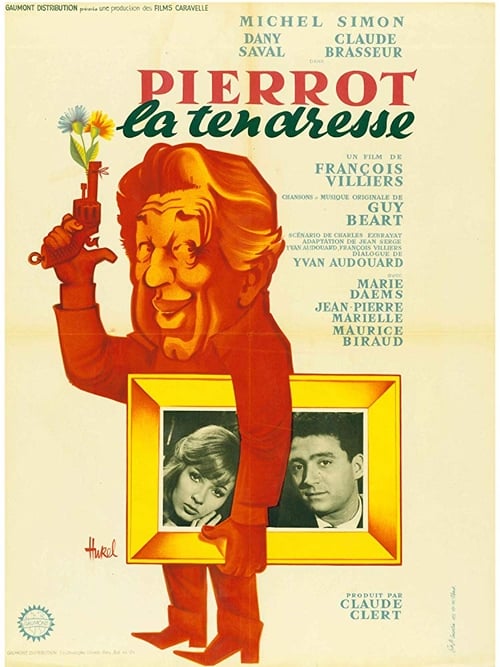
1960

1958
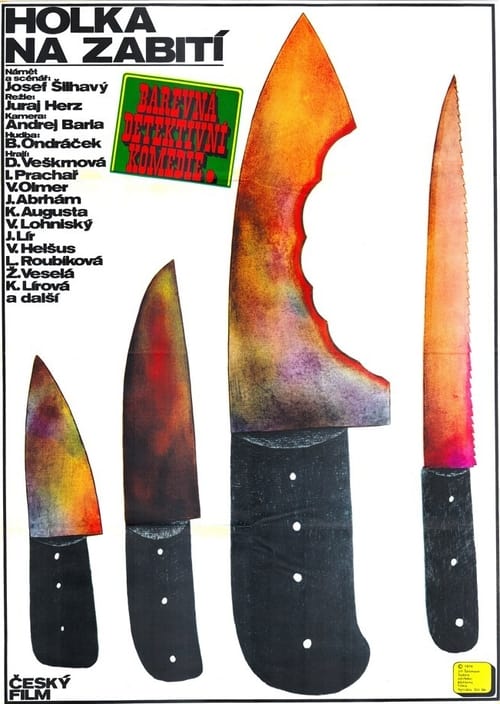
1976
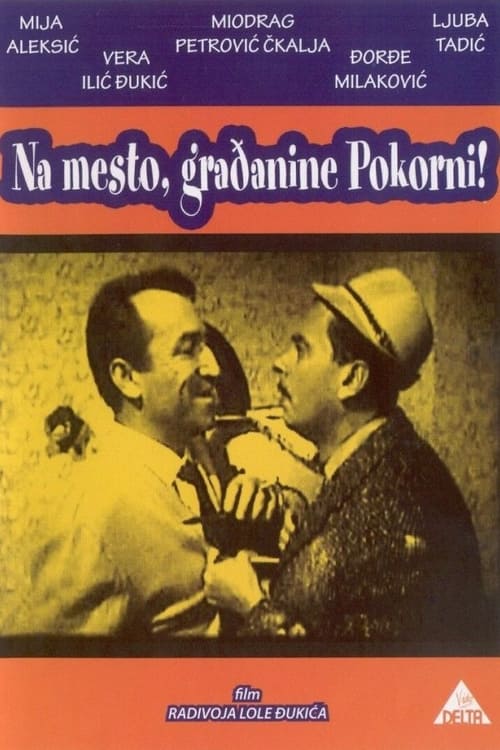
1964
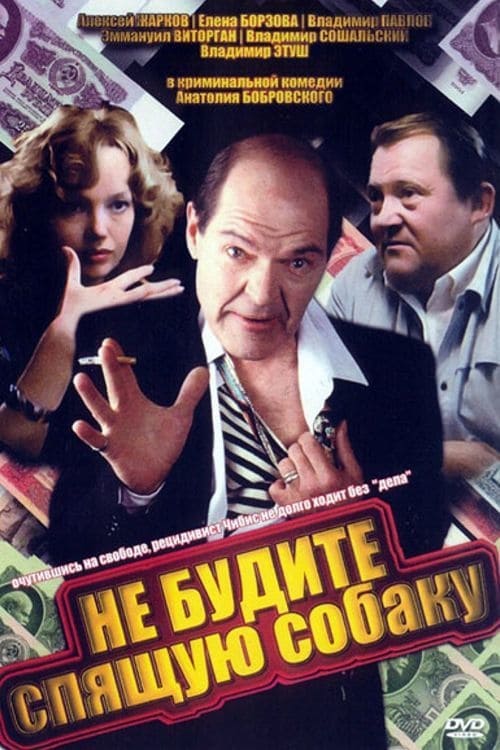
1991
No reviews yet. Be the first to share your thoughts on this movie!
Use the rating form above to leave a star rating and optional review.