Kasaři
1958
No user ratings available yet
Representation score: 1.2 out of 10
Representation Score
Minimal
1988
Director
Jaroslav Soukup
Runtime
72 minutes
Average Rating
No ratings yetNew Showbiz Analysis
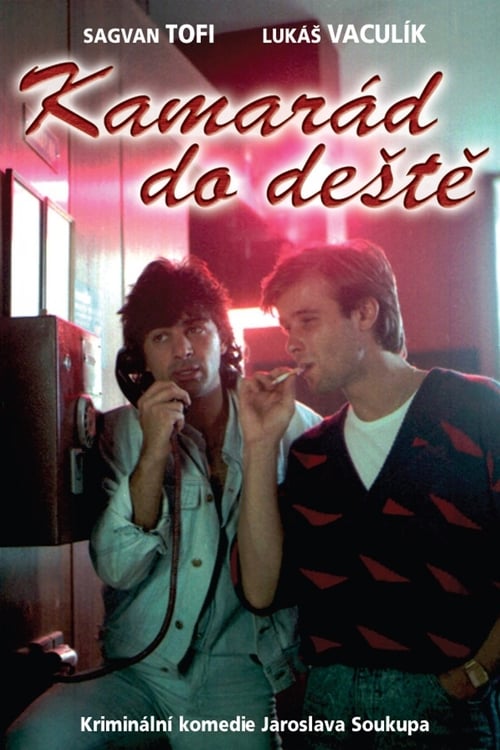
Kamarád do deště is a crime-comedy set in the unique socio-political environment of late-1980s Czechoslovakia. It emphasizes localized socioeconomic conflicts and the subversion of institutional authority over diverse identity representations. The film’s strength lies in its critique of systemic dysfunction. By having protagonists use a scam to address a theft, the narrative questions the reliability of formal legal and economic institutions. However, the film lacks demographic diversity. The cast is ethnically uniform, and the narrative adheres to traditional gender roles and straight-centered structures, offering limited representation for LGBTQ+ or disabled communities.
Category Breakdown
The film does not include any LGBTQ+ characters or stories about non-traditional gender identities. The main relationship is between two heterosexual characters, Michal and Magda.
The story is mainly driven by male characters, focusing on a male-dominated fight against crime. Although Magda participates actively in the central scam, the gender roles remain traditional.
Set in late-socialist Czechoslovakia, the film features a cast that is ethnically uniform. The narrative centers on local socioeconomic issues without addressing racial or ethnic diversity.
The story provides a critical look at the reliability of institutions. Characters bypass corrupt or suspicious formal systems, such as banks and police, to achieve justice through situational ethics.
The film does not feature any characters with visible or invisible disabilities. Disability is not used as a narrative device.
Present on Screen
Limited or Absent
Official Synopsis
A young waiter named Michal gets into trouble when he is robbed of his daily takings, which he was supposed to deliver to the bank. He's on probation, so it's clear that no one trusts him. So he asks for help from a friend, Tomáš, a taxi driver, who borrows from Adamec, a dangerous bellhop. By chance, the two friends manage to find out that his colleague Kadlec and his son-in-law, garage keeper Bures, who is a stolen car dealer, are involved in Michal's robbery. With the help of Michal's girlfriend Magda, they devise a scam to punish the extortionist boss and hand over the two seemingly blameless scoundrels Kadlec and Bures to the police with the evidence.
1958
2014
1983
1976

1999

1973
2016
1938
No reviews yet. Be the first to share your thoughts on this movie!
Use the rating form above to leave a star rating and optional review.