
Kasaři
1958
No user ratings available yet
Representation score: 1.2 out of 10
Representation Score
Fair
1964
Director
Radivoje 'Lola' Đukić
Runtime
94 minutes
Average Rating
No ratings yetNew Showbiz Analysis
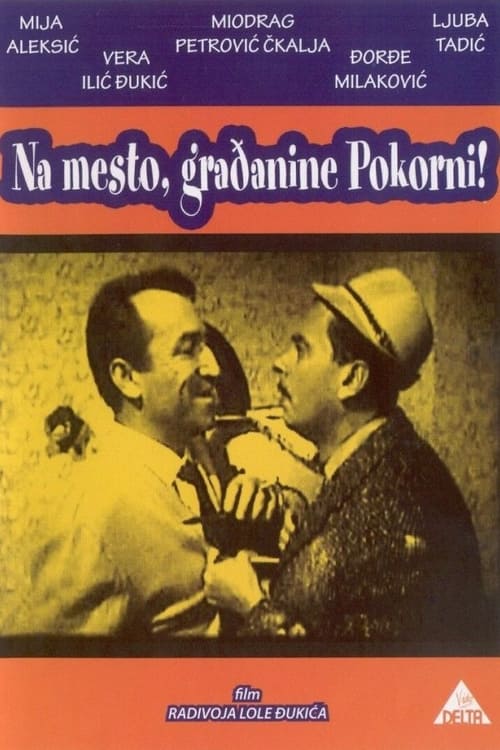
Citizen Pokorni serves as a social critique rather than a study of contemporary identity politics. Its value lies in its historical role as a disruptive force within the Yugoslavian film industry. By rejecting the forced optimism of socialist realism, the film uses its narrative to question systemic pressures. While the director's background suggests a focus on deconstructing institutional norms, the film lacks specific, verifiable data regarding diverse personal identities. This limits its impact in several key categories. Ultimately, the film's strength is its thematic exploration of authority, even if it does not explicitly center diverse personal identities.
Category Breakdown
The film does not include explicit representations of LGBTQ+ identities. Although the Black Wave movement often used subtle hints to explore underrepresented positions, there is no clear evidence of queer narratives in this film.
The story centers around Cule Pokorni, an economist who is timid and obedient. While the film may challenge traditional hierarchies, the roles of women remain undefined.
As a product of multi-ethnic Yugoslavia, the cast likely reflects regional Balkan demographics. However, there is no specific evidence regarding diverse ethnic representation or color-blind casting.
The film stands out by participating in the Black Wave movement's critique of social structures. It prioritizes anti-authoritarianism and the deconstruction of idealized, state-sanctioned social narratives.
There is no available information regarding the portrayal of physical or neurodivergent characters in this work.
Present on Screen
Limited or Absent
Official Synopsis
A story of Cule Pokorni, an intimidated and obedient economist devoted to idea of making society a better place to live.
1958

1966

1973

1981

1976

1992
1954

1992
No reviews yet. Be the first to share your thoughts on this movie!
Use the rating form above to leave a star rating and optional review.