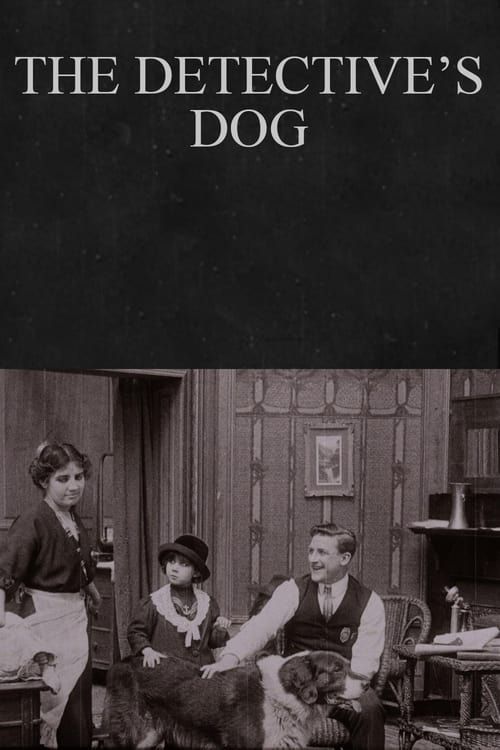
The Detective's Dog
1912
No user ratings available yet
Representation score: 3.6 out of 10
Representation Score
Minimal
1904
Runtime
1 minutes
Average Rating
No ratings yetNew Showbiz Analysis
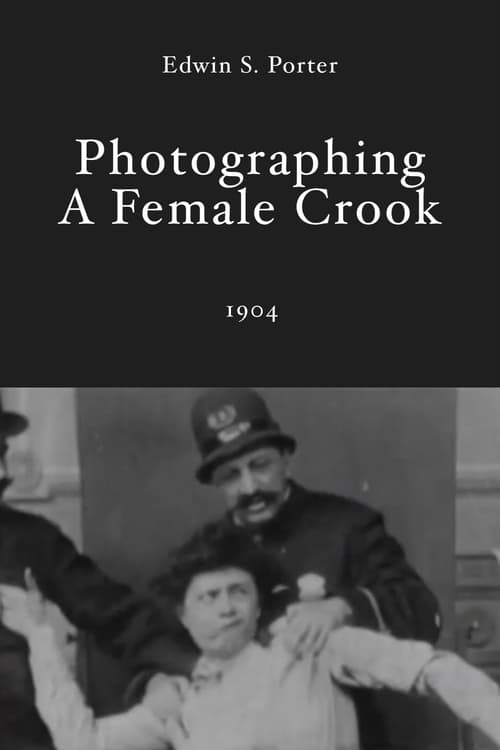
This 1904 short film primarily showcases early camera techniques rather than serving as a work of intentional social commentary. It features a female protagonist, but her character is defined by early cinematic clichés of the 'femme fatale' or deviant woman. The film reflects the limited social and casting norms of its time, offering no meaningful representation of racial, ethnic, or LGBTQ+ identities. It presents a narrow perspective on the human experience, characteristic of early silent cinema. Ultimately, the film highlights the power dynamics of state authority and surveillance, focusing on the documentation of a criminal subject through the lens of law enforcement.
Category Breakdown
The film lacks any evidence of LGBTQ+ characters or narratives. It focuses strictly on a singular interaction between a female subject and law enforcement.
The film centers around a female protagonist who defies societal norms, but her actions are closely monitored by the state. She is portrayed as a criminal subject to surveillance.
The film adheres to the homogenous casting practices typical of early 20th-century Western cinema, lacking any indication of a diverse cast or non-white roles.
The film focuses on the conflict between an individual and Western legal institutions, emphasizing the documentation of a crime rather than critiquing systemic authority.
There is no evidence of characters with physical or neurodivergent disabilities in the film's historical record or synopsis.
Present on Screen
Limited or Absent
Official Synopsis
A criminal woman is brought in by the police to be photographed (a mug-shot, presumably), capturing her making faces or grimacing. This simple, short film has been often cited as an early instance of a "tracking-in" or dolly-in in cinema, where the camera moves closer to the subject instead of remaining fixed.
1912
1924

1897
1901
1895
1894
1906
1898
No reviews yet. Be the first to share your thoughts on this movie!
Use the rating form above to leave a star rating and optional review.