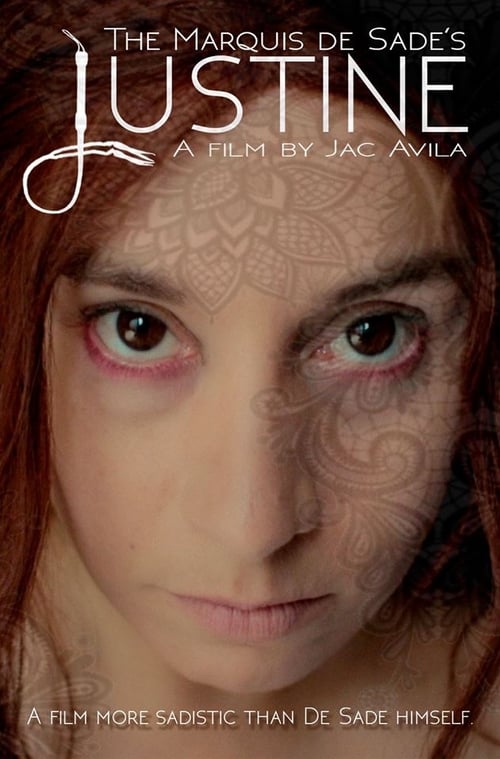
Justine
2016
No user ratings available yet
Representation score: 3.6 out of 10

Representation Score
Fair
1976
Director
Stewart Mackinnon
Runtime
90 minutes
Average Rating
No ratings yetNew Showbiz Analysis
Stewart Mackinnon’s adaptation of De Sade’s work examines moral relativism and the breakdown of Western ethics. Using a tableau format, the film avoids typical moralizing, instead critiquing systemic corruption and predatory institutional power. While the film effectively challenges traditional gender hierarchies and patriarchal stability, it remains confined by its historical context. Its narrative structure is deeply rooted in a specific European perspective, limiting its racial and ethnic diversity. Ultimately, the film’s strength lies in its choice to prioritize subjective morality over traditional virtues, offering a progressive view of human behavior despite its demographic limitations.
Category Breakdown
The film explores themes from De Sade’s queer literature, disrupting traditional assumptions about sexuality. However, its portrayal may focus more on voyeurism than celebration.
It centers on a female character who navigates oppressive power dynamics. The film challenges traditional gender roles by depicting patriarchal structures as chaotic and exploitative.
The film reflects the demographic norms of the late 1970s, focusing on a historically specific and likely homogeneous Western setting based on European literary traditions.
The film uses non-dramatic scenes to critique religious and social institutions. It avoids traditional moral stories, instead showing institutional power as inherently harmful.
There is no clear depiction of physical or neurodivergent disabilities in the film.
Present on Screen
Limited or Absent
Official Synopsis
A series of non-dramatic tableaux representing scenes from De Sade's novel.
2016
1967
1969
1987

1972
1979
2004
1971
No reviews yet. Be the first to share your thoughts on this movie!
Use the rating form above to leave a star rating and optional review.