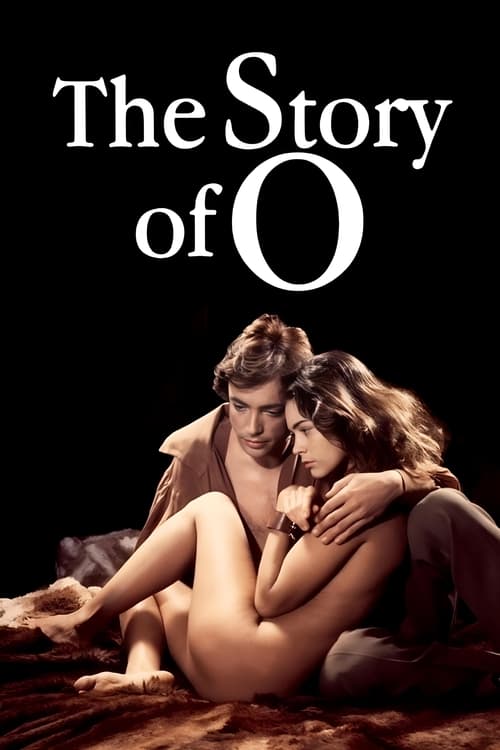
The Story of O
1975
No user ratings available yet
Representation score: 3.6 out of 10

Representation Score
Fair
1972
XDirector
Claude Pierson
Runtime
100 minutes
Average Rating
No ratings yetNew Showbiz Analysis
Claude Pierson’s experimental essay film succeeds as a critique of Western morality and gender hierarchies. By using a non-linear montage, it shifts the focus from character empathy to a deconstruction of institutional authority and power dynamics. However, the work is limited by its narrow historical scope. The focus on Enlightenment-era French philosophy results in a lack of racial diversity and non-Western perspectives, anchoring the film to a specific, homogeneous cultural context. Ultimately, the film is a sophisticated exploration of transgressive identity. While it lacks specific character-driven representation for disability or race, its intellectual commitment to challenging traditional social structures is profound.
Category Breakdown
The film explores non-traditional and transgressive sexualities through a postmodern lens. It challenges conventional structures by examining Sade’s texts to explore queer theory and non-conforming desires.
The work examines power dynamics related to gender by focusing on the tension between dominance and submission. It challenges traditional masculine and feminine stereotypes by breaking down historical constraints placed on women.
The film operates within a historically homogeneous European context centered on 18th-century French philosophy. It lacks intentional diverse casting and the inclusion of non-Western perspectives.
The film offers a progressive critique of organized religion and the social contract. It frames the rejection of traditional ethics as a reclaiming of control against oppressive systems.
The film provides no discernible engagement with physical or neurodivergent representation. Its focus remains strictly on philosophical montage and historical text.
Present on Screen
Limited or Absent
Official Synopsis
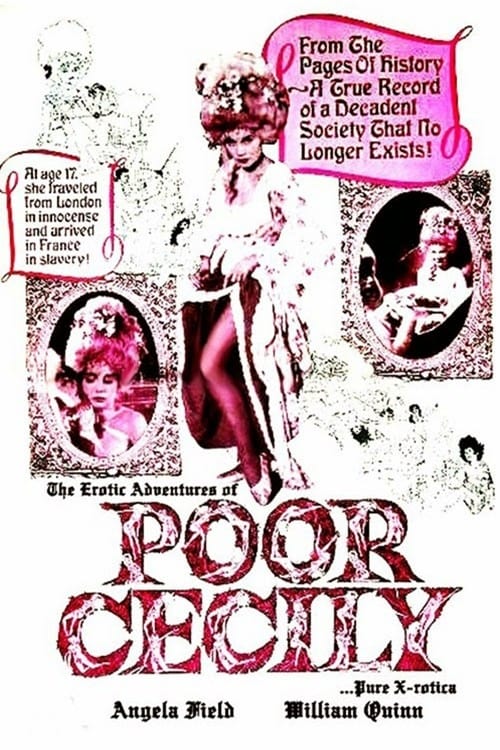
Therese, a beautiful but naive young girl, who finds herself being passed around from depraved pervert to depraved pervert, enduring just about every kind of sexual degradation there is while still believing that some kind stranger will eventually help her.
1975

1967
1977

1929

2016
1977
1969
1974
No reviews yet. Be the first to share your thoughts on this movie!
Use the rating form above to leave a star rating and optional review.