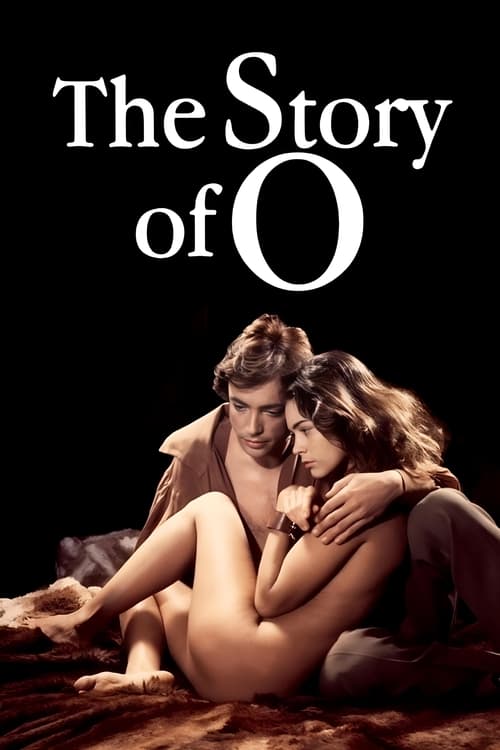
The Story of O
1975
No user ratings available yet
Representation score: 3.6 out of 10

Representation Score
Fair
1979
Director
Lars von Trier
Runtime
31 minutes
Average Rating
No ratings yetNew Showbiz Analysis
Menthe: The Benefactor is a thought-provoking exploration of power dynamics and psychological autonomy. It successfully challenges traditional gender roles by presenting submission as a voluntary, intellectual choice rather than systemic oppression. However, the film lacks diversity in its representation of identity. The narrative remains confined to a traditional European framework, offering no visible racial or ethnic diversity. Ultimately, the film's impact lies in its deconstruction of social mores and its challenge to conventional relational structures, even as it fails to address broader multi-layered identities.
Category Breakdown
The film delves into intense, non-traditional intimacy and power exchange. It challenges typical expectations of romantic partnerships by focusing on a story of voluntary submission.
The narrative questions traditional gender hierarchies by presenting submission as a personal choice. This shifts the focus from traditional power dynamics and complicates the idea of masculine dominance and feminine passivity.
The work operates within a traditional European dramatic framework. There is no indication of a diverse or non-Anglo-Saxon majority cast.
The film embraces moral relativism by prioritizing individual psychological experiences over religious frameworks. It critiques the rigidity of conventional social institutions through its themes.
There is no evidence within the provided context to suggest the presence of characters with visible or invisible disabilities.
Present on Screen
Limited or Absent
Official Synopsis
Based on the sadomasochistic novel by Dominique Aury, "Story of O", tells the story of a voluntary female submission.
1975

1967

2013

1976

1969

2015

1994

2007
No reviews yet. Be the first to share your thoughts on this movie!
Use the rating form above to leave a star rating and optional review.