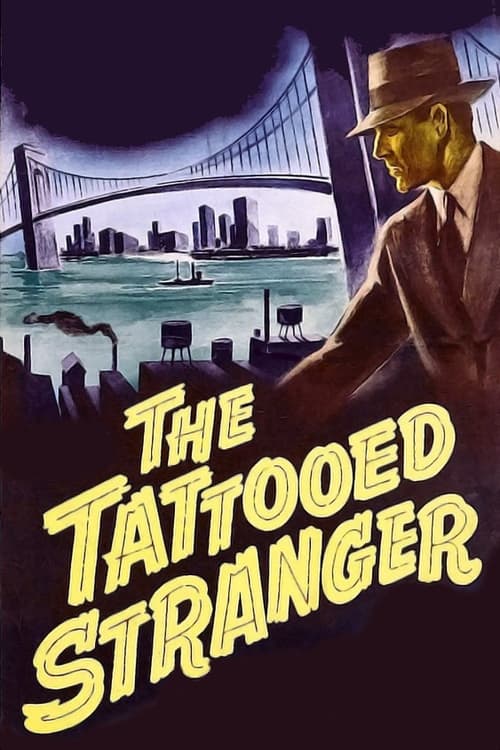
The Tattooed Stranger
1950
No user ratings available yet
Representation score: 1.1 out of 10

Representation Score
Limited
1975
Director
Joseph Pevney
Runtime
100 minutes
Average Rating
No ratings yetNew Showbiz Analysis
Who Is the Black Dahlia? functions as a traditional period crime drama. It relies on established genre clichés that prioritize conventional investigative authority and historical realism over progressive narrative structures. The film reflects the social constraints of its 1947 setting and its 1975 production era. It lacks characters with diverse backgrounds and characters who reflect more than one aspect of diversity, instead adhering to the standard cinematic conventions of mid-century television. Ultimately, the work reinforces existing social hierarchies rather than disrupting them, focusing on a grisly murder through a lens of traditional morality and law enforcement.
Category Breakdown
The film follows a standard crime procedural set in 1947. It doesn't include characters with non-traditional gender identities, which may reflect the era's tendency to make LGBTQ+ lives invisible or stereotypical.
The story centers on a male detective, reinforcing traditional masculine authority. Elizabeth Short, the central figure, is defined by her status as a victim.
Set in segregated 1947 Los Angeles, the film mirrors historical racial hierarchies. It follows an 'Old Hollywood' aesthetic that typically prioritizes homogeneous white casts.
The narrative focuses on Western law enforcement and the restoration of social order. It operates within conventional mid-century American procedural frameworks without exploring subversive themes.
There is no identifiable evidence regarding the portrayal of physical or neurodivergent disabilities within this production.
Present on Screen
Limited or Absent
Official Synopsis
In 1947 Los Angeles, a police detective tries to solve the shocking and grisly murder of 22-year-old aspiring actress Elizabeth Short.
1950
1996
1965
1948
1962
1968
1954
2006
No reviews yet. Be the first to share your thoughts on this movie!
Use the rating form above to leave a star rating and optional review.