Plumber's Helpers
1953
No user ratings available yet
Representation score: 0.9 out of 10
No Poster Available
Representation Score
Minimal
1969
GDirector
Paul J. Smith
Runtime
6 minutes
Average Rating
No ratings yetNew Showbiz Analysis
Cool It, Charlie is a product of late-1960s animation standards, focusing on slapstick humor rather than social complexity. The narrative is built on traditional, homogeneous structures that offer little depth in terms of diverse identities. The film's structure relies heavily on established domestic hierarchies and conventional clichés. It serves as a simple comedic short without exploring diverse identities or social commentary. Ultimately, the lack of intentional representation leads to a narrow, conventional viewing experience reflecting the era's limited approach to character diversity.
Category Breakdown
The film does not include any LGBTQ+ characters or stories about non-assuming gender matches what was assigned at birth identities. It centers around a male protagonist and a traditional female figure.
Gender roles are based on outdated stereotypes, such as using a rolling pin to manipulate the male lead. Bessie's assertiveness is shown through traditional domestic settings.
The animation features a homogeneous cast with no visible efforts towards racial diversity. The setting reflects the era's standards of uniformity.
The story follows traditional Western domestic values and consumerism. It revolves around a typical family mishap within a conventional household.
There are no characters with visible or invisible disabilities in the film. It does not include any neurodivergent representation.
Present on Screen
Limited or Absent
Official Synopsis
When the temperature reaches 110 degrees, Bessie decides to buy an air conditioner. After being threatened with a rolling pin, Charlie agrees, but decides to install it himself to save money. A series of mishaps ensues and by the end of the cartoon, half the house is ruined.
1953
1953
1968
1961
1969
1965
1960
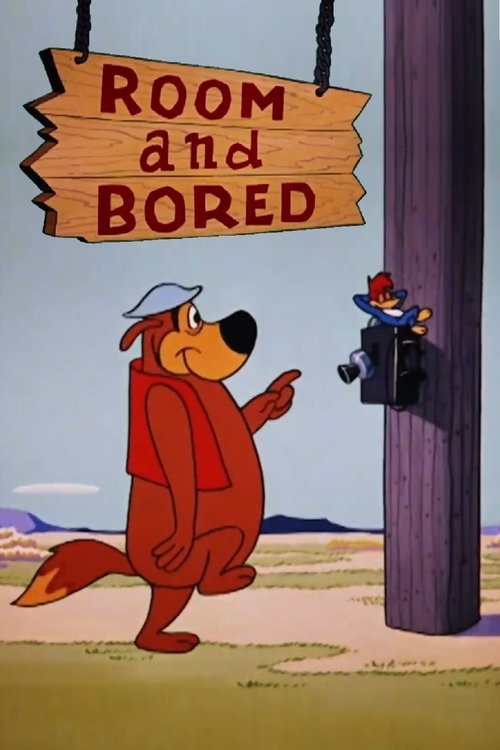
1962
No reviews yet. Be the first to share your thoughts on this movie!
Use the rating form above to leave a star rating and optional review.