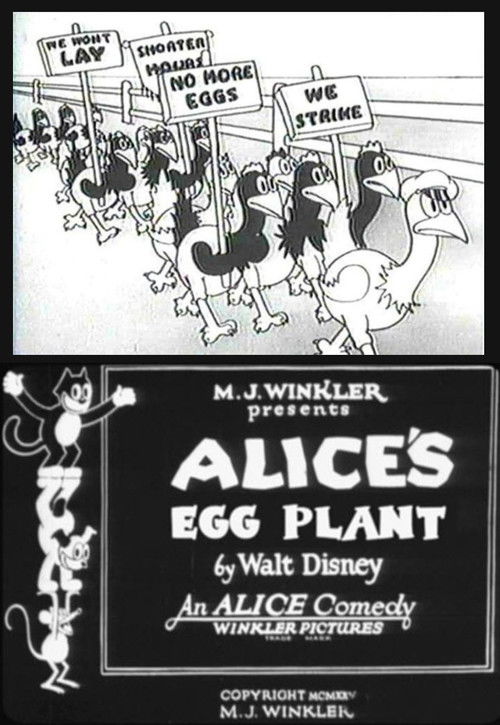
Alice's Egg Plant
1925
No user ratings available yet
Diversity score: 2.8 out of 10

1955
Director
Tex Avery, Michael Lah
Runtime
6 minutes
Average Rating
No ratings yetSynopsis
Spike has just finished the 20 year process of digging a tunnel from his prison cell but he picks the wrong place to hide.
Overall Score
Limited
Category Breakdown
LGBTQ+ Representation
The film lacks any evidence of non-cisnormative identities or same-sex intimacy. The focus remains entirely on a singular character arc.
Gender Representation
The story centers on a male protagonist, Spike, and his solitary struggle. It adheres to traditional mid-century masculine tropes of grit and physical labor.
Racial & Ethnic Diversity
There is no indication of a multi-ethnic cast or diverse racial identities. The narrative appears to center on a homogeneous character model.
Religious & Cultural Diversity
The plot offers a subtle critique of institutional authority through Spike's attempt to undermine the prison system. It lacks broader secularist or anti-institutional frameworks.
Disability Representation
No characters with physical, neurodivergent, or sensory disabilities are present in the narrative.
Strengths
Areas for Improvement
AI Analysis
Cellbound is a product of its 1955 era, reflecting the limited social perspectives of mid-century animation. The narrative is driven by a singular male protagonist, Spike, whose journey through a carceral setting provides the primary conflict. While the film lacks intersectional complexity or diverse casting, it does offer a minor subversion of authority. Spike's twenty-year effort to circumvent the prison system suggests a skeptical view of institutional permanence. Ultimately, the work functions as a traditional character study of individual persistence, lacking the representation of varied identities or social frameworks found in modern media.
1925

1958
1952
1951
1971
1935
1942
1950
1952
1930
1954
1955
No reviews yet. Be the first to share your thoughts on this movie!
Use the rating form above to leave a star rating and optional review.