Thanmathra
2005
No user ratings available yet
Representation score: 5.0 out of 10
Representation Score
Good
2005
Director
Jahnu Barua
Runtime
100 minutes
Average Rating
No ratings yetNew Showbiz Analysis
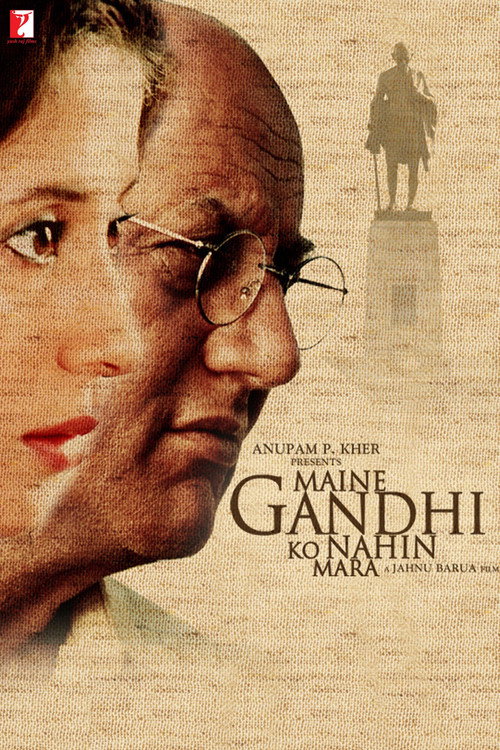
Maine Gandhi Ko Nahin Mara is a sophisticated work of social realism that prioritizes regional identity and the human condition. It succeeds by grounding its drama in specific Assamese cultural contexts and providing a dignified portrayal of cognitive decline. While the film lacks LGBTQ+ representation and remains somewhat centered on a male perspective, it challenges traditional hierarchies through the daughter's role as a caretaker. The exploration of political philosophy and memory adds significant intellectual depth. Ultimately, the film's strength lies in its commitment to cultural specificity and its examination of systemic violence and individual morality.
Category Breakdown
The film does not include any LGBTQ+ characters or non-cisgender identities. It centers on a traditional family relationship between a father and daughter.
The daughter plays a crucial role as a caretaker, taking significant action throughout the story. However, the narrative mainly revolves around the male protagonist's internal philosophical journey.
By focusing on an Assamese cultural landscape, the film achieves high authenticity. This specific regional emphasis challenges homogenized cinematic norms and avoids generalized national identities.
The film explores post-colonial identity and the tension between Gandhian pacifism and civil unrest. It critiques systemic failures and the breakdown of social order.
The retired professor's cognitive decline is handled with nuance, avoiding mockery. His memory loss serves as a catalyst for deep philosophical inquiry into the nature of truth.
Present on Screen
Limited or Absent
Official Synopsis
An ordinary man is struggling with the onset of Alzheimer's. His daughter fights to save her father from a descent into dementia, and to tries to understand the strange guilt that haunts him - that he is responsible for Gandhi's death.
2005

2010
2001
2003

2005

2023

2010

2005
No reviews yet. Be the first to share your thoughts on this movie!
Use the rating form above to leave a star rating and optional review.