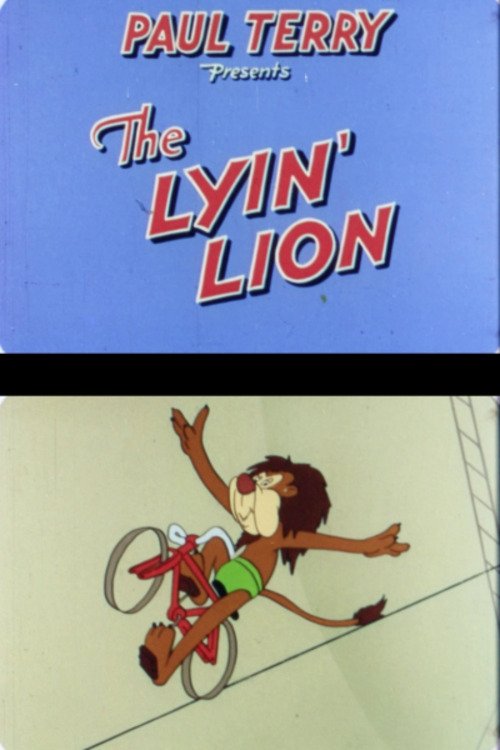
The Lyin' Lion
1949
No user ratings available yet
Diversity score: 2.5 out of 10
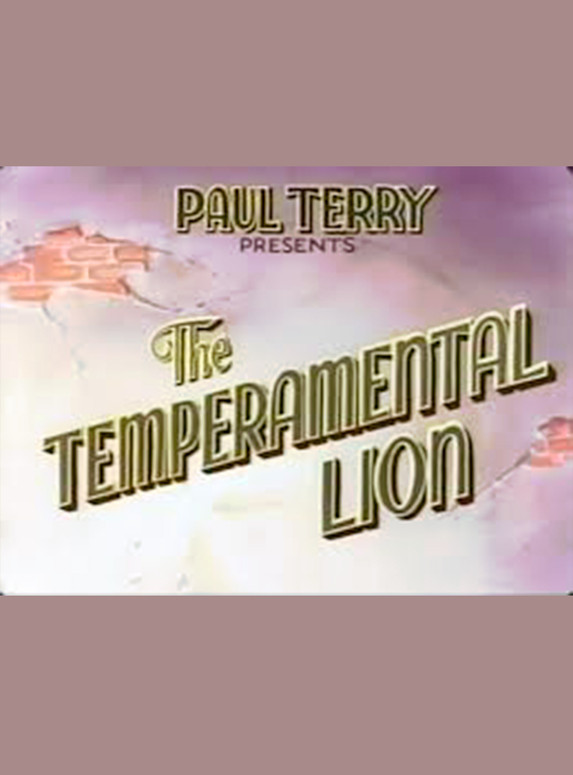
1940
ApprovedDirector
Connie Rasinski
Runtime
7 minutes
Average Rating
No ratings yetSynopsis
A lion with a Bert Lahr voice can't stand being cooped up in a cage at the zoo, and escapes to confront the man who captured him in the first place, big game hunter, Major Doolittle.
Overall Score
Limited
Category Breakdown
LGBTQ+ Representation
The film contains no evidence of LGBTQ+ characters or non-cisnormative identities. The plot focuses entirely on a traditional animal-versus-human conflict.
Gender Representation
The story centers on masculine archetypes of strength and dominance. The conflict between the lion and Major Doolittle lacks female characters in leadership or intellectual roles.
Racial & Ethnic Diversity
The narrative relies on colonial-style exploration tropes through the figure of a big game hunter. It appears to follow the homogeneous, Western-centric casting patterns of 1940s animation.
Religious & Cultural Diversity
The film follows traditional Western adventure narratives centered on a hunter and his prey. It lacks the inclusion of non-Western values or secularist themes.
Disability Representation
There is no evidence of characters with visible or invisible disabilities within the narrative.
Strengths
Areas for Improvement
AI Analysis
The Temperamental Lion is a product of its era, leaning heavily into established 1940s cinematic tropes. The narrative structure prioritizes a masculine-coded struggle for dominance between a lion and a big game hunter. While the lion's quest for freedom offers a basic moral conflict, the film lacks intersectional complexity. It reinforces traditional institutional authority through the character of Major Doolittle rather than challenging it. Ultimately, the film lacks representation across most modern diversity metrics, reflecting the limited social perspectives of early animation.
1949
1955
1950
1945
1938

1947
1954
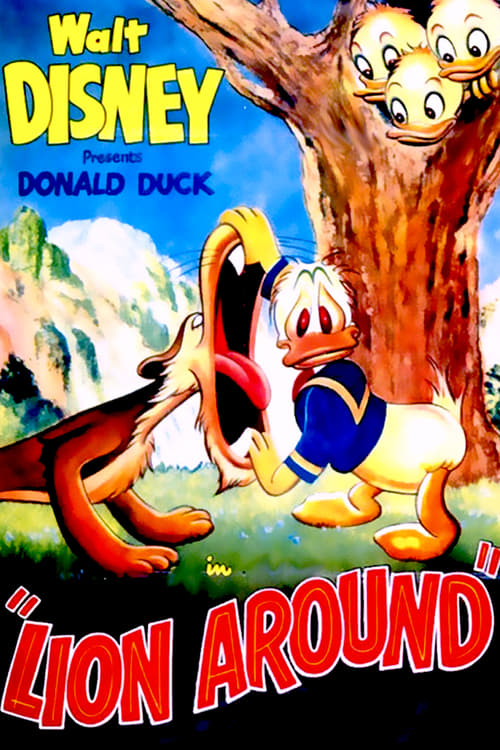
1950
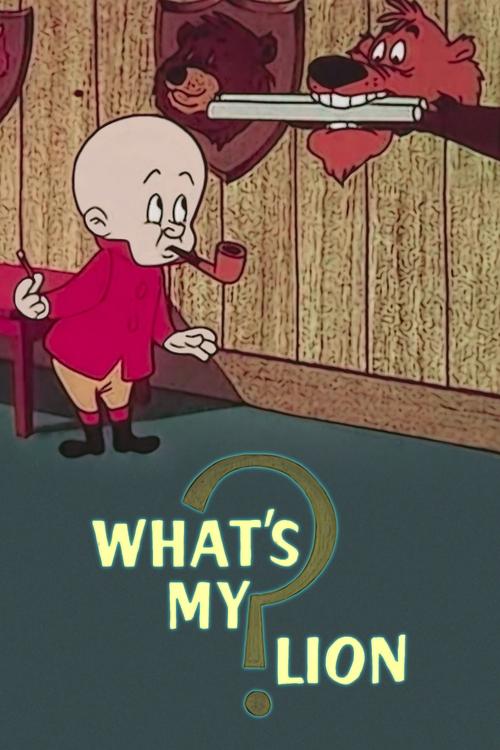
1961
1939
1945
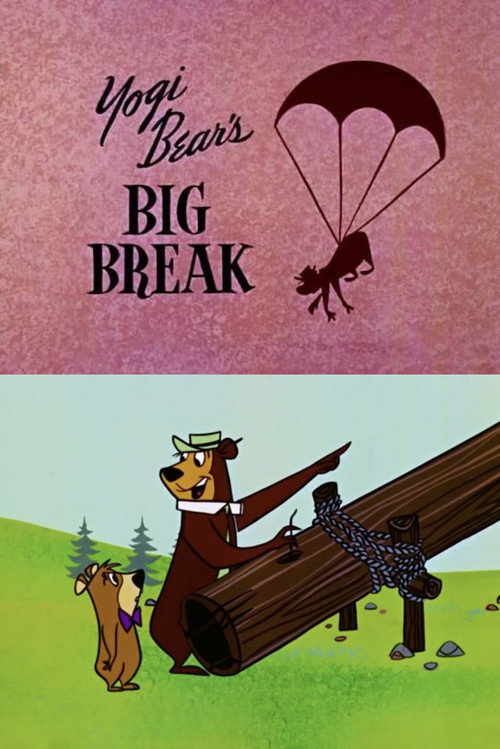
1958
No reviews yet. Be the first to share your thoughts on this movie!
Use the rating form above to leave a star rating and optional review.