
The First Man
2011
No user ratings available yet
Representation score: 5.8 out of 10
Representation Score
Limited
1962
Director
James Blue
Runtime
81 minutes
Average Rating
No ratings yetNew Showbiz Analysis
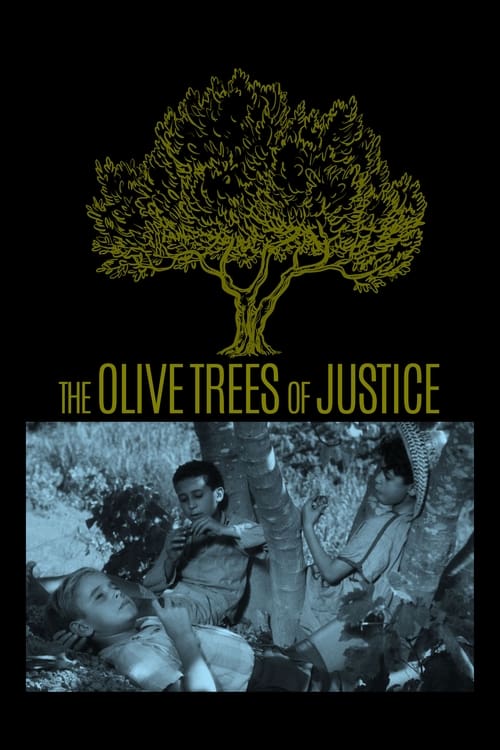
The Olive Trees of Justice delves deeply into the geopolitical and human costs of the Algerian War. By centering the struggle for sovereignty, the film disrupts conventional colonialist clichés and explores the dismantling of French imperial authority. However, its focus is heavily weighted toward ethnic and cultural conflict, prioritizing the complexities of decolonization over gender or LGBTQ+ representation, which remain unverified or minimal. Ultimately, the work serves as a study of post-colonial identity, trading traditional Western-centric stability for a framework that examines the friction between colonial lineages and indigenous movements.
Category Breakdown
The film does not include any characters or stories related to LGBTQ+ identities.
The story centers around a male-dominated journey of memory and political conflict. Although Marie Decaître is a prominent character, the narrative follows traditional patriarchal structures.
The film moves beyond a Eurocentric perspective by focusing on the Algerian fight for independence. The cast and setting highlight racial power dynamics and the ability to act of indigenous peoples.
The narrative challenges Western dominance by situating the conflict within the Algerian independence movement. It likely critiques imperial institutions and the stability of the colonial presence.
There is no information available regarding the depiction of physical or neurodivergent disabilities.
Present on Screen
Limited or Absent
Official Synopsis
The son of a French colonialist in Algeria returns to Algeria after learning that his father is ill. Memories from childhood return. He also must deal with some problems involving the Algerian fight for independence.
2011

2012

1983

1963

2007

2000

1997

2006
No reviews yet. Be the first to share your thoughts on this movie!
Use the rating form above to leave a star rating and optional review.