
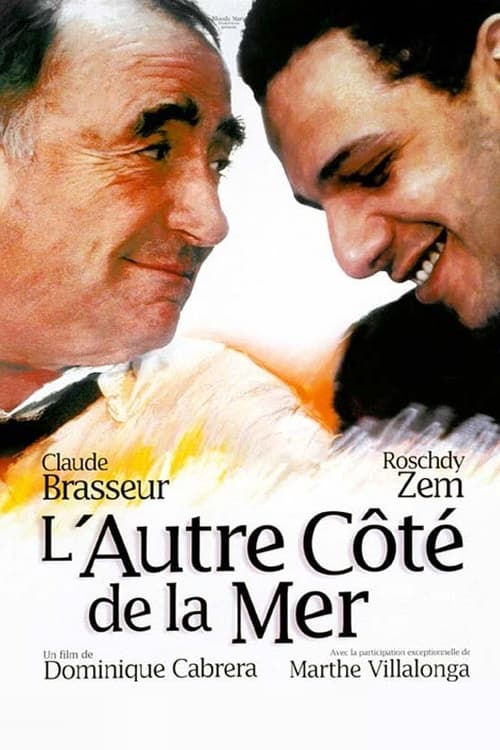
Return to Algiers
2000
No user ratings available yet
Representation score: 6.1 out of 10
Representation Score
Good
1997
Director
Dominique Cabrera
Runtime
92 minutes
Average Rating
No ratings yetNew Showbiz Analysis
The film provides a nuanced look at post-colonial identity, moving beyond simple binaries to explore the 'in-between' spaces of cultural separation. It succeeds by centering characters who navigate the tension between their origins and their current environments. However, the narrative remains largely focused on traditional familial and friendship dynamics. While female characters have significant influence, the film lacks representation of LGBTQ+ identities or neurodivergence.
Category Breakdown
The film does not include explicit LGBTQ+ identities or non-straight relationships. It avoids homophobic clichés but does not give central roles to LGBTQ+ characters.
Female characters such as Marinette and Belka play active roles and influence the protagonist's life and decisions.
The film excels by focusing on characters navigating multiple aspects of their identity. It explores the complexities of assimilation through an Algerian-born Frenchman and a French Arab surgeon.
The story deeply engages with anti-colonial themes and the dismantling of national identity. It prioritizes the subjective experiences of displacement following the Algerian War.
While the protagonist undergoes a cataract operation, disability is not used as a central character trait or plot device.
Present on Screen
Limited or Absent
Official Synopsis
This film deals with the aftermath of the Algerian war of liberation. Georges Montero, an Algerian-born Frenchman, manages an olive canning factory in Oran. He travels to Paris for a cataract operation. Marinette, his sister, and Belka, his friend and a recent immigrant, want him to return to France permanently. Friction develops between the two friends as Georges is pressured to sell his factory. Friendship developed between Georges and his surgeon, who as a French Arab has severed ties with his culture and country of origin.
2000

1994
1998
1966

1979

2006

2007
1995
No reviews yet. Be the first to share your thoughts on this movie!
Use the rating form above to leave a star rating and optional review.