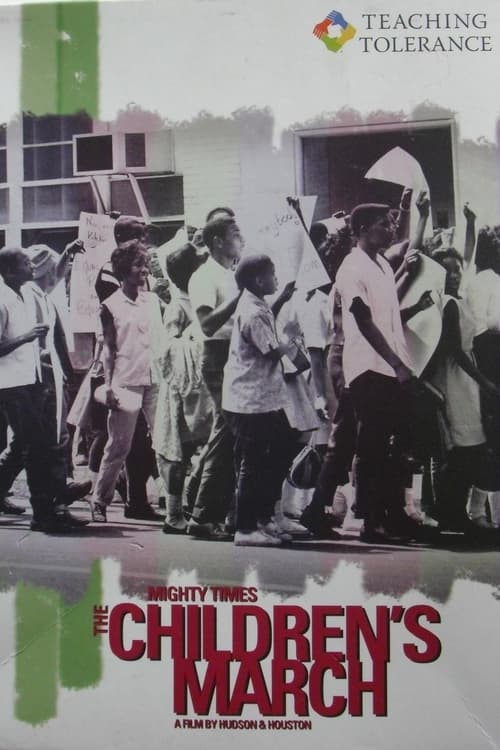
Mighty Times: The Legacy of Rosa Parks
2002
No user ratings available yet
Representation score: 5.0 out of 10
Representation Score
Fair
2004
Director
Robert Houston
Runtime
40 minutes
Average Rating
No ratings yetNew Showbiz Analysis
This documentary provides a powerful reconstruction of the 1963 Birmingham campaign, successfully shifting the historical lens toward the active roles of Black youth. By centering the 'Children's Crusade,' the film disrupts traditional clichés that often depict underrepresented groups as passive observers of history. The film excels in its portrayal of racial and cultural dynamics, specifically through its depiction of the Black church and the deconstruction of Jim Crow-era power structures. It effectively frames systemic disruption as a vital component of social evolution. While the film offers strong gender representation by highlighting female leadership, it lacks any focus on LGBTQ+ identities or disability representation. The narrative remains strictly tethered to the specific racial and gendered struggles of the 1960s.
Category Breakdown
The documentary focuses exclusively on the racial and gender dynamics of the 1963 Civil Rights Movement. There is no mention of LGBTQ+ narratives or non-cisgender identities within this historical context.
The film highlights the mobilization of both male and female student activists. It challenges traditional hierarchies by showcasing women as central organizers and leaders rather than mere supporters.
The narrative centers the Black experience, framing Black participants as the primary architects of social change. It explicitly deconstructs white supremacist structures and the realities of the Jim Crow South.
The film portrays the Black church as a vital organizational structure that prioritizes communal identity. It critiques state-sanctioned authority, framing civil disobedience as a necessary tool for liberation.
There is no significant evidence regarding the portrayal of visible or invisible disabilities within the historical focus of this production.
Present on Screen
Limited or Absent
Official Synopsis
On May 2, 1963, the children of Birmingham, Alabama took to the streets to challenge segregation.
2002
1984
1994
1990
1994

2013
2010

2015
No reviews yet. Be the first to share your thoughts on this movie!
Use the rating form above to leave a star rating and optional review.