
Pushover
1954
No user ratings available yet
Representation score: 1.7 out of 10
Representation Score
Limited
1961
Director
Juan José Ortega
Runtime
70 minutes
Average Rating
No ratings yetNew Showbiz Analysis
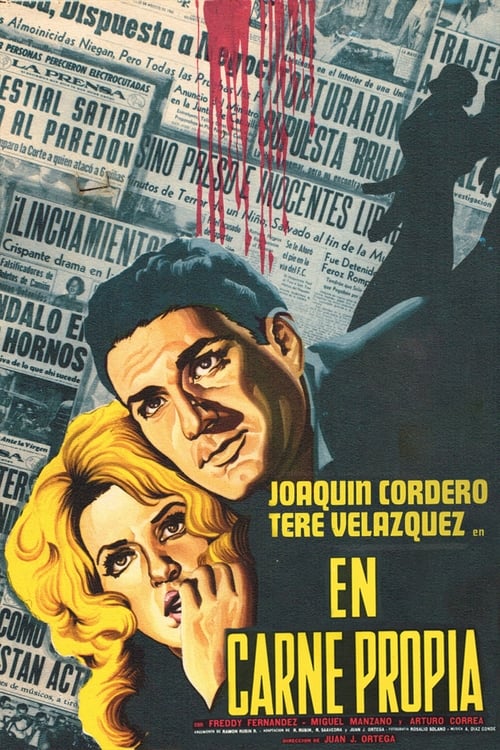
En carne propia is a product of its time, functioning as a traditional mid-century Mexican noir. The film relies on established genre archetypes, such as the rookie reporter and the publisher's daughter, to drive its crime-driven plot. While the film provides a window into the cinematic conventions of 1961, it does not attempt to deconstruct social hierarchies. The representation remains rooted in the era's standard social and gendered frameworks. Ultimately, the film serves as a baseline example of mainstream Mexican crime drama, prioritizing genre-standard storytelling over diverse or multi-layered character development.
Category Breakdown
The film follows the traditional romantic structures typical of 1960s crime noir. There is no representation of non-traditional gender identities or critiques of conventional social norms.
Female characters often serve as catalysts for male protagonists, functioning through established gender clichés such as the publisher's daughter. They are not portrayed as independent agents.
The film features a predominantly Hispanic cast consistent with its Mexican origins. However, the casting reflects the demographic homogeneity common in mainstream cinema of the time.
The narrative focuses on individual morality and legal consequences within a crime framework. It reinforces traditional societal structures rather than offering anti-institutional or subversive perspectives.
There is no evidence of characters with visible or invisible disabilities. The film lacks representation for neurodivergent or physically disabled individuals.
Present on Screen
Limited or Absent
Official Synopsis
Rookie reporter and his publisher's daughter get caught up in a bizarre crime/traffic accident noir dilemma.
1954
1955

1951
1955
1961

1958
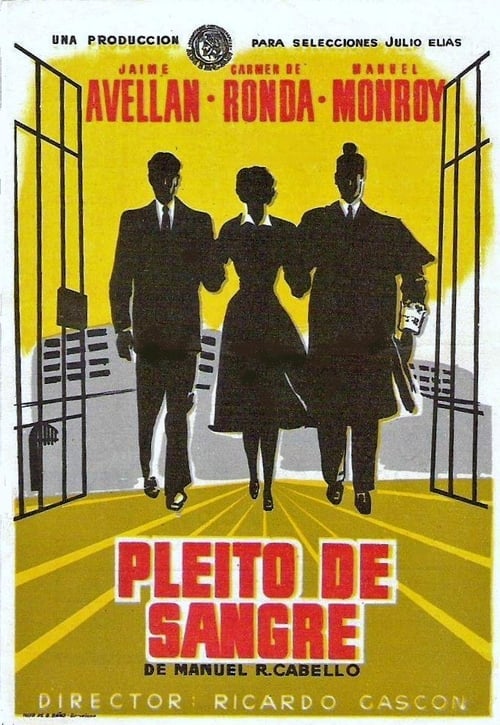
1956
1961
No reviews yet. Be the first to share your thoughts on this movie!
Use the rating form above to leave a star rating and optional review.