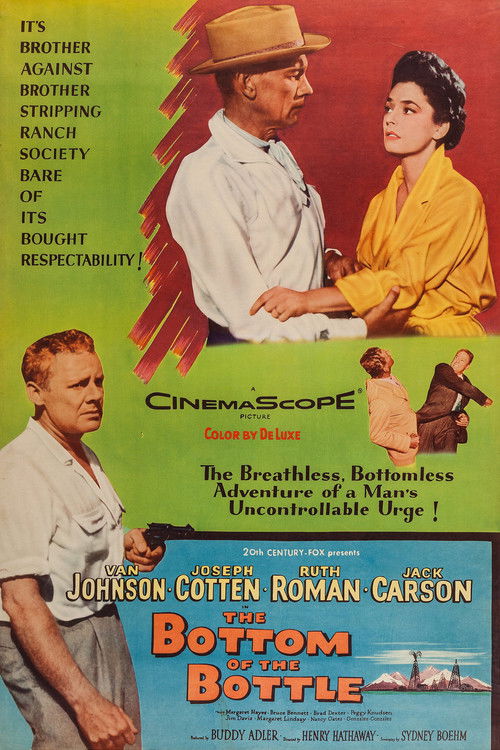
The Bottom of the Bottle
1956
No user ratings available yet
Diversity score: 2.4 out of 10
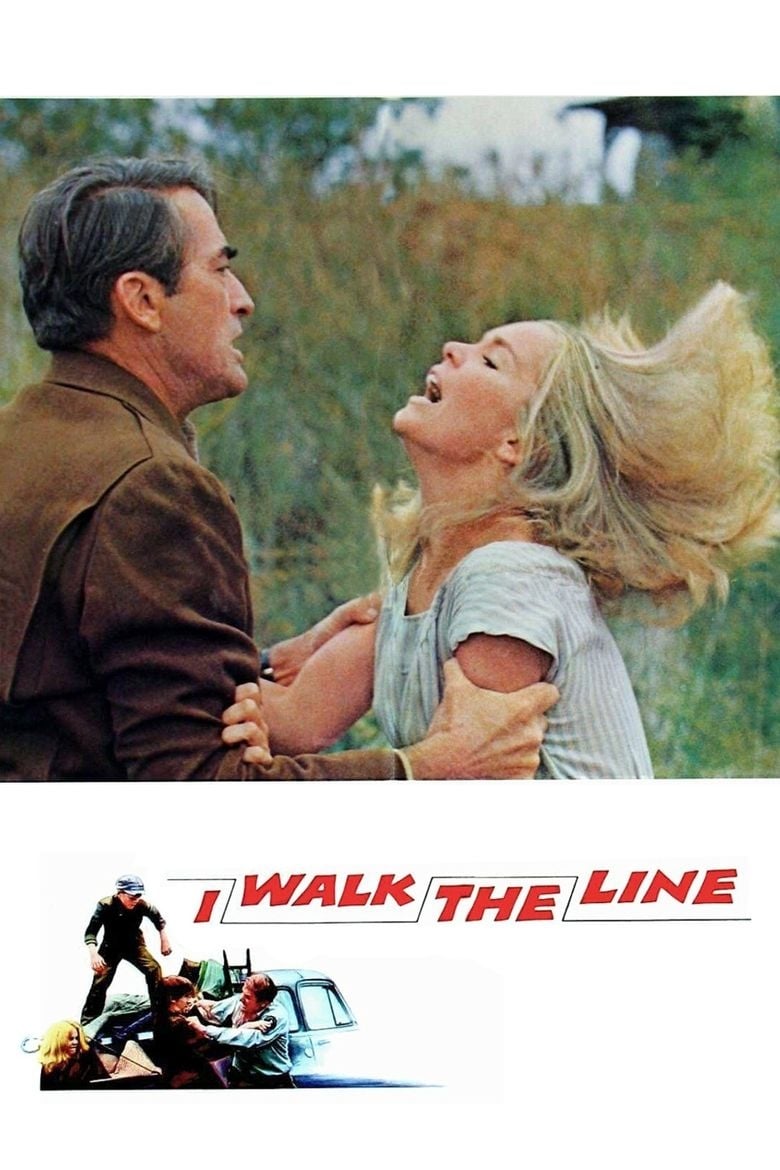
1970
PG-13Director
John Frankenheimer
Runtime
97 minutes
Average Rating
No ratings yetSynopsis
Henry Tawes, a middle-aged sheriff in a rural Tennessee town, is usually the first man to criticize others for their bad behavior. Miserable in his marriage, Henry falls in love with teenage seductress Alma, who is the daughter of local criminal and moonshiner Carl McCain. Henry's moral character comes further into question when he is tempted to conceal Carl's crimes in order to prolong his relationship with Alma.
Overall Score
Limited
Category Breakdown
LGBTQ+ Representation
The film adheres to a strictly heteronormative romantic structure. There is no presence of non-cisnormative identities or same-sex intimacy within the character arcs.
Gender Representation
While the film passes the Bechdel test through female interactions, the narrative remains anchored in the male protagonist's journey. Power dynamics largely reflect mid-century gender roles.
Racial & Ethnic Diversity
The story focuses on the white, male-dominated country music industry of the 1950s and 60s. It lacks diverse racial perspectives or intersectional breadth.
Religious & Cultural Diversity
Evangelical Christianity and gospel music serve as the primary frameworks for moral recovery. The film reinforces traditional values of spiritual salvation and personal responsibility.
Disability Representation
The film explores the complexities of substance abuse and addiction. However, it treats dependency as a biographical struggle rather than exploring neurodivergence or systemic critique.
Strengths
Areas for Improvement
AI Analysis
The film functions as a conventional biographical drama that prioritizes a traditional redemption arc. It reinforces mid-century cultural norms rather than disrupting established social hierarchies. The narrative relies heavily on traditional Western institutions, specifically religion, to drive character development. This focus limits the scope of the story to a specific, homogeneous cultural demographic. While the film touches on the personal toll of addiction, it lacks broader representation of intersectional identities or diverse racial and gendered perspectives.
1956
1952

1958
1956
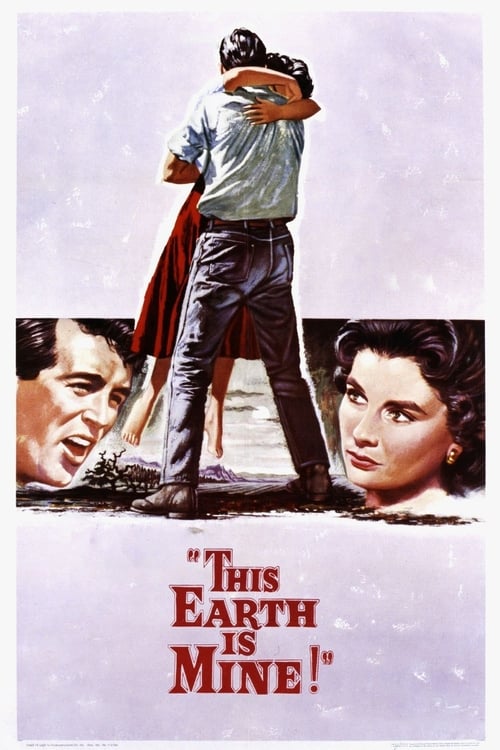
1959

1967
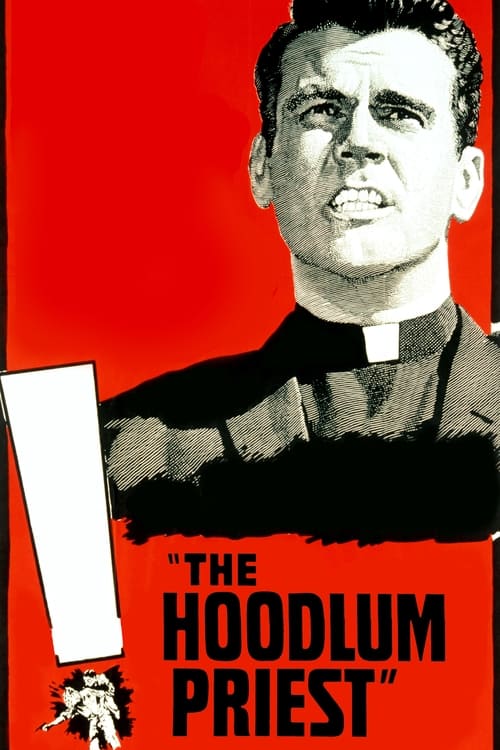
1961
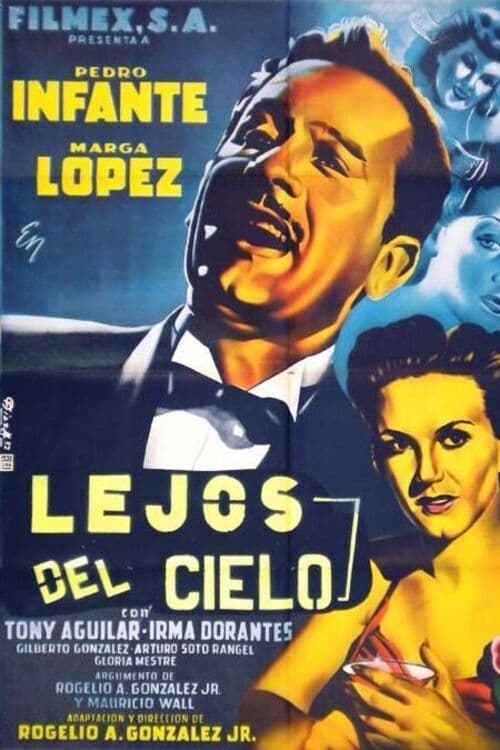
1952
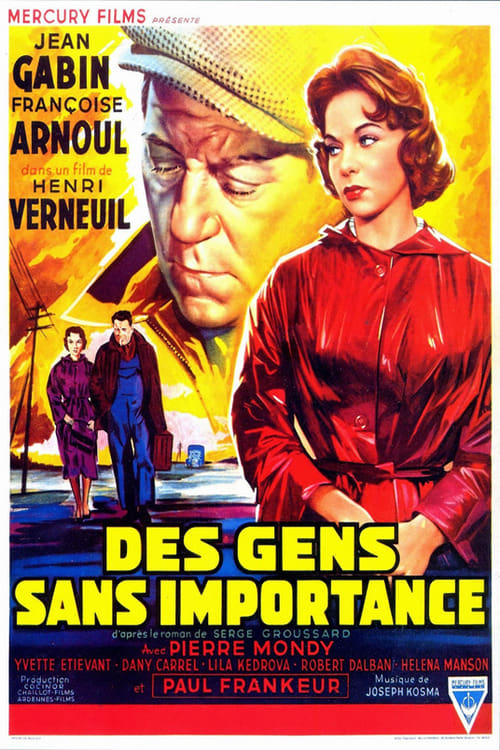
1956
1955
1971
1957
No reviews yet. Be the first to share your thoughts on this movie!
Use the rating form above to leave a star rating and optional review.