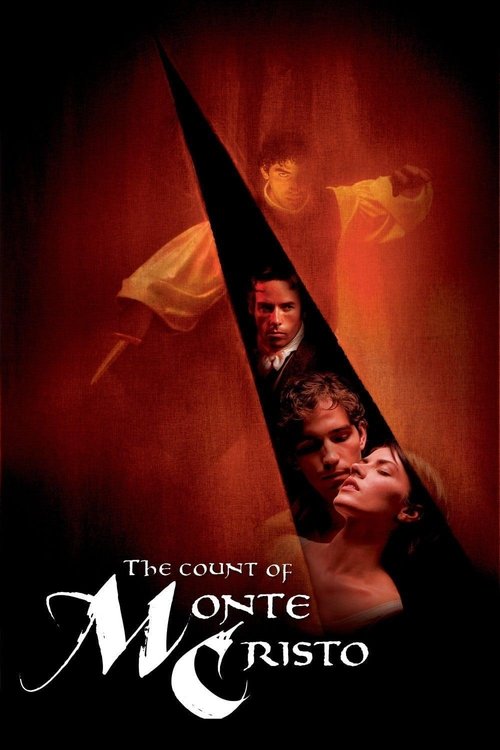
The Count of Monte Cristo
2002
No user ratings available yet
Representation score: 1.9 out of 10
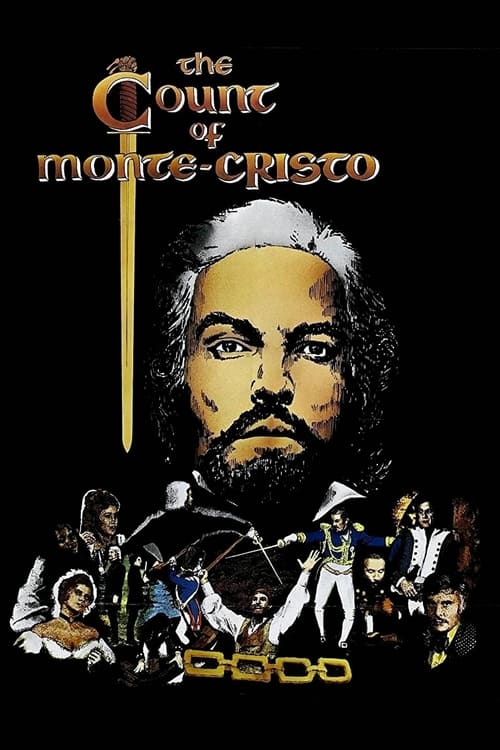
Representation Score
Limited
1975
Not RatedDirector
David Greene
Runtime
119 minutes
Average Rating
No ratings yetNew Showbiz Analysis
This adaptation prioritizes historical fidelity and traditional storytelling over modern characters who reflect more than one aspect of diversity. It reinforces 19th-century social hierarchies and conventional gender roles. The film focuses on a male-centric quest for vengeance, where female characters primarily serve as emotional anchors. Casting and narrative structure reflect the Eurocentric norms of the period without disrupting them. While the production critiques systemic corruption within the French political establishment, it frames these issues through personal betrayal rather than a broader deconstruction of social norms.
Category Breakdown
The film strictly follows traditional heterosexual and cisgender relationship structures. There are no representations of non-traditional gender identities or narratives that challenge the era's views on intimacy.
The narrative follows a traditional patriarchal structure. Mercedes serves as an emotional catalyst, but her role is largely defined by her relationships to the male leads.
Casting is predominantly homogeneous, reflecting Eurocentric social structures. The film maintains historical accuracy without using actors from diverse backgrounds.
The story critiques the corruption of the French legal and political establishment. It explores moral relativism through Dantès's transition from principle to calculated manipulation.
Abbé Faria is portrayed as a wise elder, with his condition framed more as perceived madness than a nuanced exploration of neurodivergence.
Present on Screen
Limited or Absent
Official Synopsis
Young sailor Edmond Dantès is wrongfully imprisoned, escapes, finds treasure, and reinvents himself as the wealthy Count of Monte Cristo to exact revenge on those who betrayed him.
2002
1935
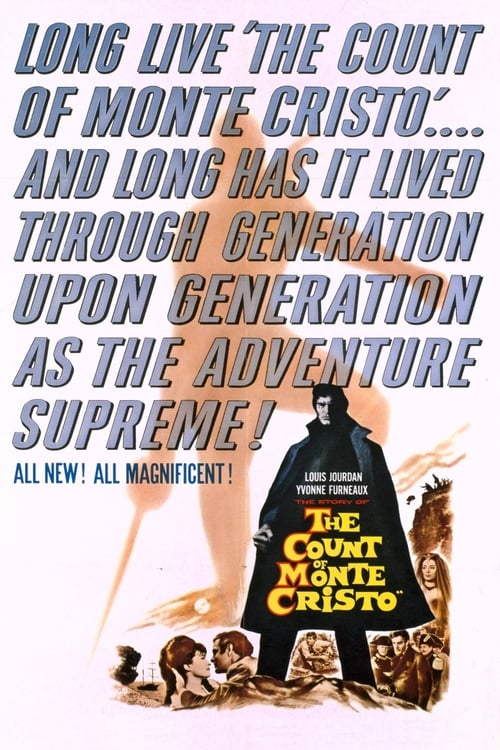
1961
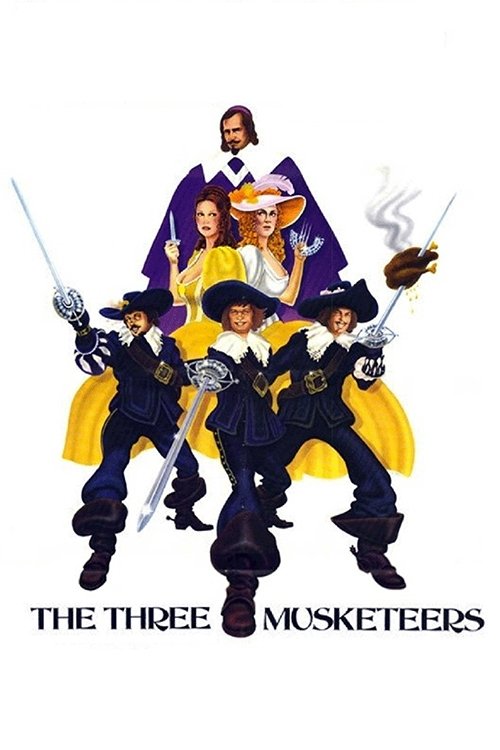
1973
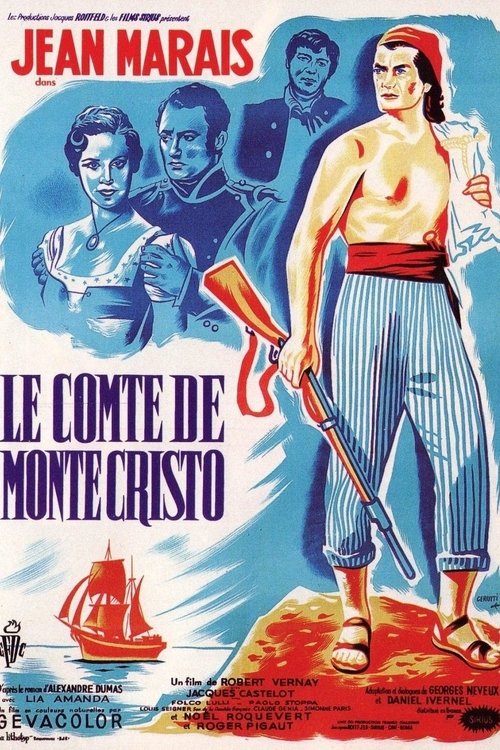
1954
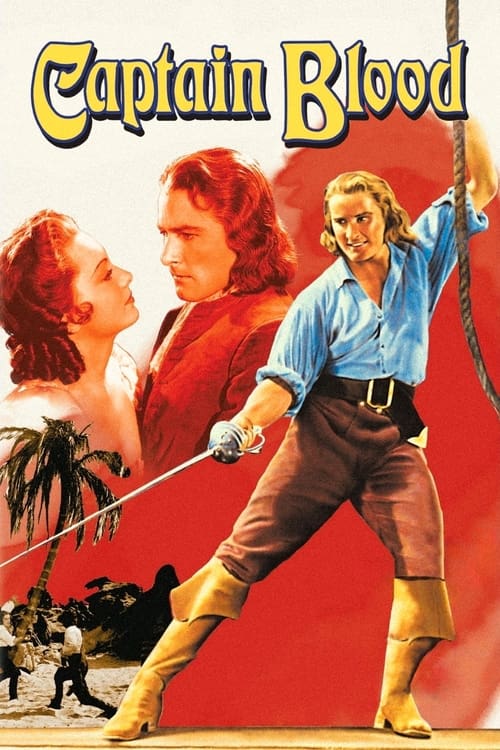
1935
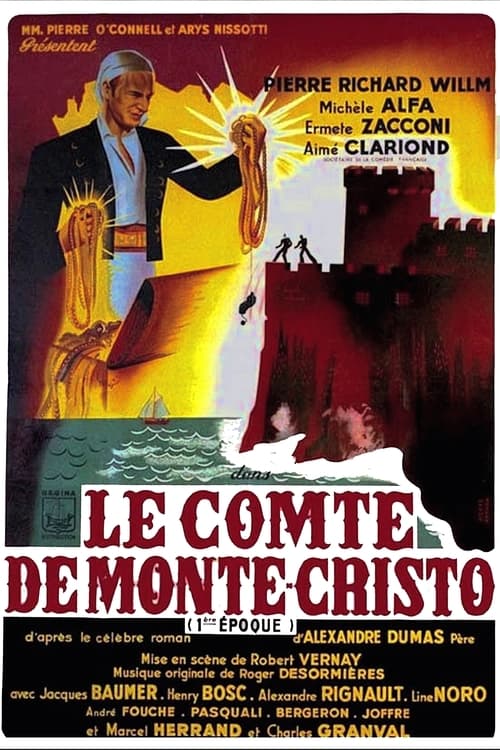
1943
1962
No reviews yet. Be the first to share your thoughts on this movie!
Use the rating form above to leave a star rating and optional review.