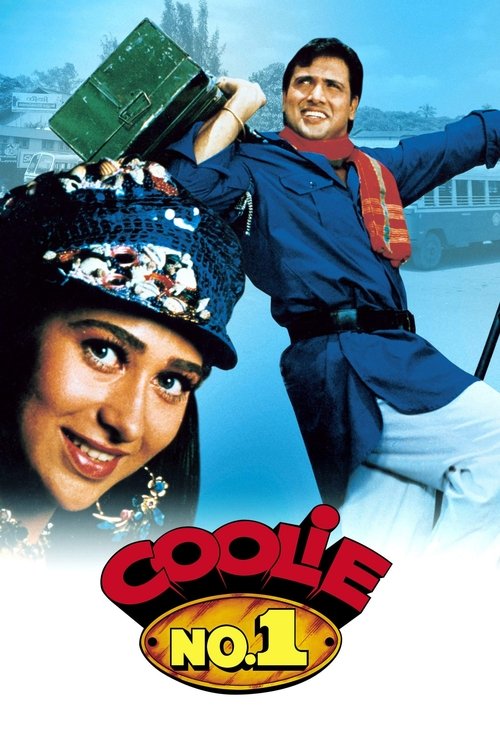
Coolie No. 1
1995
No user ratings available yet
Representation score: 2.1 out of 10

Representation Score
Limited
1974
Director
Shammi Kapoor
Runtime
162 minutes
Average Rating
No ratings yetNew Showbiz Analysis
Manoranjan is a traditional 1970s commercial comedy-romance that adheres to mainstream narrative formulas rather than progressive representation. While it offers a localized cultural perspective, it stays within the confines of established social hierarchies. The film examines themes of corruption and class, but these are addressed through individual struggles rather than systemic critiques. Gender dynamics show a slight shift in power when Nisha supports Ratan, yet the core remains rooted in conventional archetypes. Ultimately, the film serves as a period-specific entertainment piece that reflects the social norms of its time without attempting to challenge them.
Category Breakdown
The film centers on a relationship between Ratan and Nisha that assumes both are straight and cisgender. There is no exploration of LGBTQ+ identities or themes that question heterosexuality.
Nisha plays a significant role in supporting Ratan, showing ability to act. However, the film leans on traditional masculine stereotypes. The male lead's identity is closely tied to his professional status and social roles.
The production focuses on an indigenous Indian context with a non-Western cast. Traditional social hierarchies, such as the Nawab, are used to highlight class differences.
The story critiques institutional corruption through a dishonest superior officer. However, it emphasizes social status and class performance over a deeper examination of power structures.
The narrative does not include any visible or invisible disabilities. No characters have specific accessibility needs or disability-related storylines.
Present on Screen
Limited or Absent
Official Synopsis
Havaldar Ratan is a rookie at the local police station, and is assigned duty on foot patrol on Manoranjan Street, a notorious red-light area, on the very first day of his job. He strikes up a conversation with a good-looking young woman named Nisha, and tells her that there is a possible violation of Suppression of Immoral Trafficking Act taking place on this street. He witnesses several women soliciting men, and decides to call in the paddy wagon, and get them arrested. Alas, one of the men frequenting the prostitutes is none other than Ratan's superior officer, who immediately summons Ratan, and has him removed from service on corruption charges. Nisha takes pity on a homeless and unemployed Ratan, and asks him to live with her. He does not want her to sell her body, and so he decides to work at night, and during the day he takes on the guise of a rich Nawab and spends time with her.
1995

1963
2002
1979

1998
1984
2001

1981
No reviews yet. Be the first to share your thoughts on this movie!
Use the rating form above to leave a star rating and optional review.