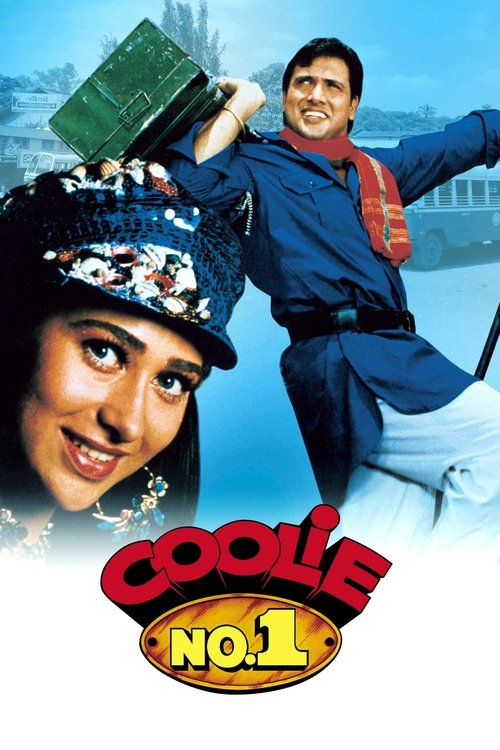
Coolie No. 1
1995
No user ratings available yet
Representation score: 2.1 out of 10
Representation Score
Limited
2002
Director
Harmesh Malhotra
Runtime
146 minutes
Average Rating
No ratings yetNew Showbiz Analysis
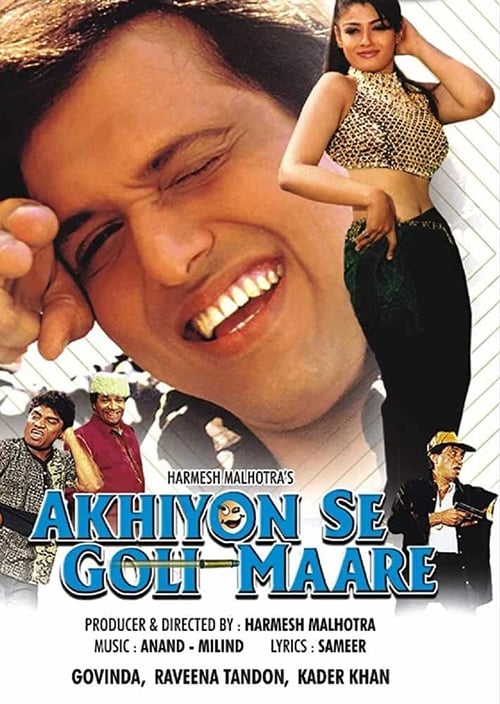
Akhiyon Se Goli Maare is a conventional romantic comedy that prioritizes escapism over social commentary. The story relies on mistaken identity and situational irony to drive its plot, reinforcing established social hierarchies rather than challenging them. The film operates within a traditional framework where romantic and familial expectations dictate the character arcs. While the protagonist temporarily adopts a different social persona, this serves a comedic purpose rather than a systemic critique of class or criminality. Ultimately, the production adheres to the mainstream commercial standards of early 2000s Bollywood, focusing on heterosexual ideals and the preservation of the nuclear family unit.
Category Breakdown
The film follows a strictly heterosexual and cisgender structure. The plot centers on a traditional romance between Raj and Kiran, with no presence of LGBTQ+ identities or same-sex relationships.
Gender roles lean toward traditional archetypes. While Kiran takes control by negotiating her marriage, her influence remains within the domestic sphere, while men occupy roles of authority and protection.
The cast is ethnically homogeneous, reflecting standard industry norms of the era. The setting of Chor Bazaar serves as a comedic backdrop rather than a tool for exploring ethnic or class hierarchies.
The narrative prioritizes South Asian values regarding parental authority and family cohesion. It seeks to restore familial harmony rather than critiquing traditional social institutions.
There is no discernible representation of physical, sensory, or neurodivergent disabilities. Characters are presented through standard comedic archetypes without addressing lived experiences of disability.
Present on Screen
Limited or Absent
Official Synopsis
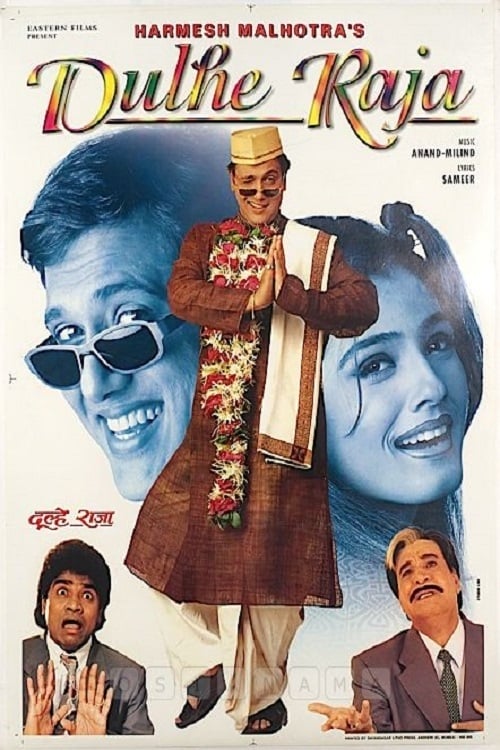
Akelinder or Bhangari Dada (Kader Khan) has a shop at Chor bazaar which he runs illegally, he lives with his wife and only daughter Kiran (Raveena Tandon). Bhangari wants his daughter to be married to a gangster, so he begins his search. He finds Shakti dada (Shakti Kapoor) and wants him to be married to Kiran but Kiran already loves Raj (Govinda), a wealthy man who has no links to crime. But in order to satisfy her dad, she persuades Raj to pose as a Gangster for time being. For this they search a Trainer called Subramaniam (Johnny Lever), who teaches Raj to act as a Gangster. Finally Raj becomes successful posing as a gangster but Bhangari's dad (Kader Khan) somehow appears and doesn't want Kiran to marry to a gangster. Will Raj be able to clean his image?
1995

2008
2001
1994
1999
1998

1998

2015
No reviews yet. Be the first to share your thoughts on this movie!
Use the rating form above to leave a star rating and optional review.