Troubleshooters
1971
No user ratings available yet
Diversity score: 3.0 out of 10
1979
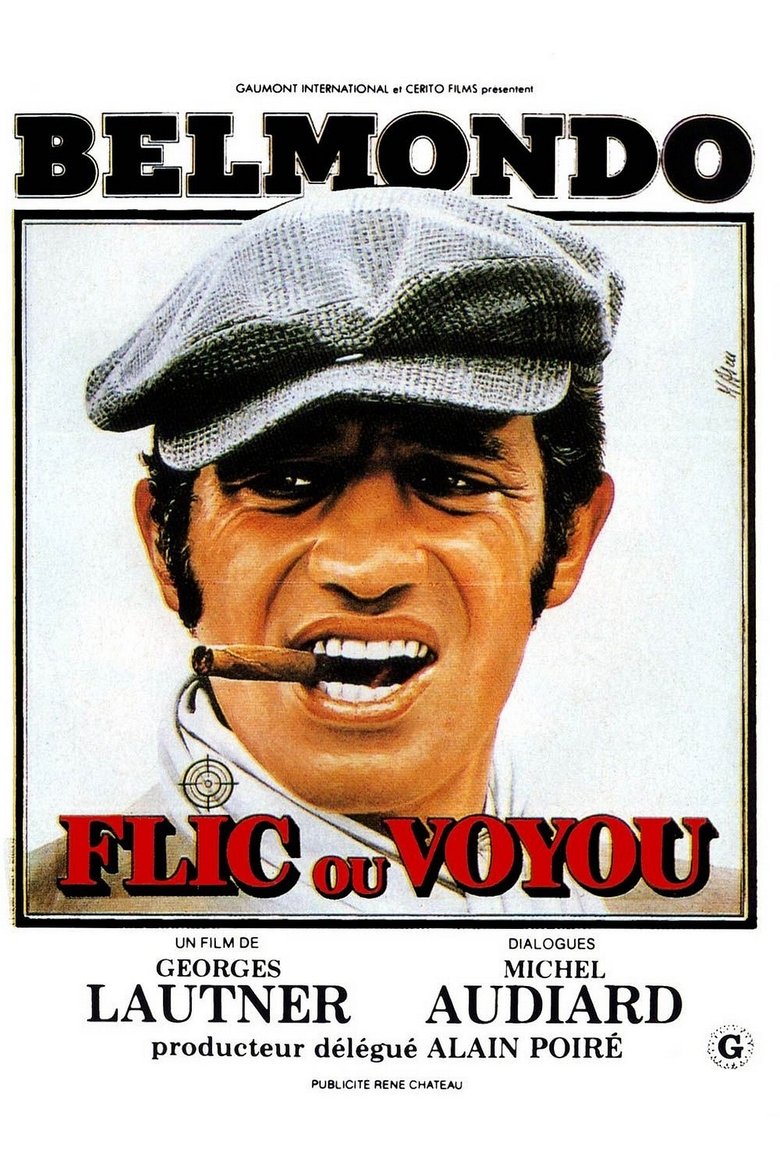
Director
Georges Lautner
Runtime
107 minutes
Average Rating
No ratings yetSynopsis
When the local police inspector was found dead in a prostitute's house, police division commissioner Stan Borowitz is sent to investigate the situation. Posing as the prostitute's long-lost brother "Antonio Cerruti," he discovers a mare's nest of police corruption. In fact, in this comedy thriller the whole town is corrupt. If they were closely examined, Stan's methods for pursuing this investigation might embarrass the police. For instance, he drives into a criminal's house in a fancy, expensive race car. In another incident, he callously blows up a casino owned by Musard , one of the town's crime bosses. On that occasion, he first forces Musard to remove his clothes, and the poor criminal watches his casino explode from across the square while standing naked in a phone booth. Meanwhile, Stan seduces the lovely Edmonde.
Overall Score
Limited
Category Breakdown
LGBTQ+ Representation
The film lacks LGBTQ+ characters or non-heteronormative identities. The romantic subplot between Stan and Edmonde follows traditional heteronormative structures without queer subtext.
Gender Representation
The narrative centers on a male-dominated framework of law enforcement and criminal rivalry. Female characters primarily serve as romantic foils rather than central drivers of the plot.
Racial & Ethnic Diversity
The film presents a relatively homogeneous social environment. There is no evidence of diverse ethnic identities or color-blind casting within this specific French social stratum.
Religious & Cultural Diversity
The story offers a strong critique of Western institutions by portraying the entire town as corrupt. It favors individual agency and moral relativism over systemic order.
Disability Representation
There is no discernible representation of physical or neurodivergent disabilities within the narrative.
Strengths
Areas for Improvement
AI Analysis
Cop or Hood is a genre-driven comedy that prioritizes the deconstruction of institutional authority and the renegade archetype. It succeeds in subverting expectations of systemic integrity through its cynical view of local law enforcement. However, the film lacks demographic breadth and intersectional complexity. It functions primarily as a character study of masculine rivalry and institutional decay, offering very little representation for marginalized identities. Ultimately, the film's focus remains on stylistic flair and character-driven chaos rather than social identity politics or progressive representation.
1971
1979
1983
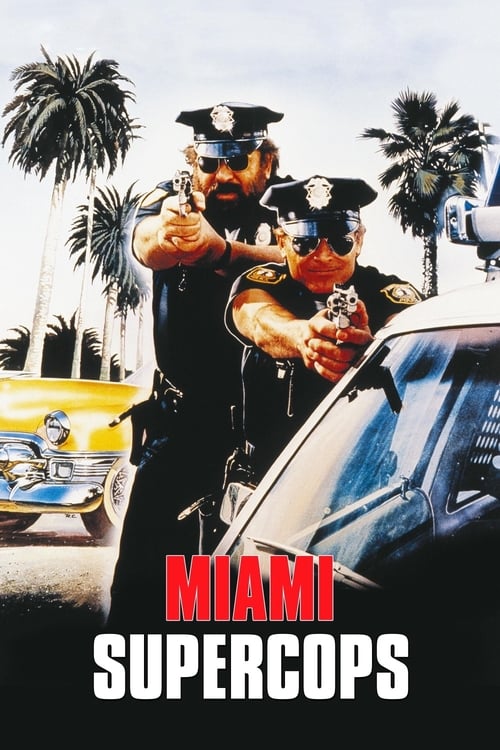
1985
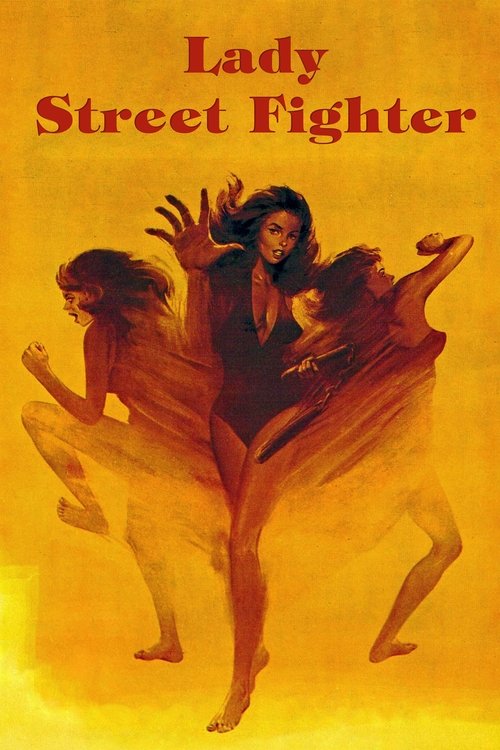
1977
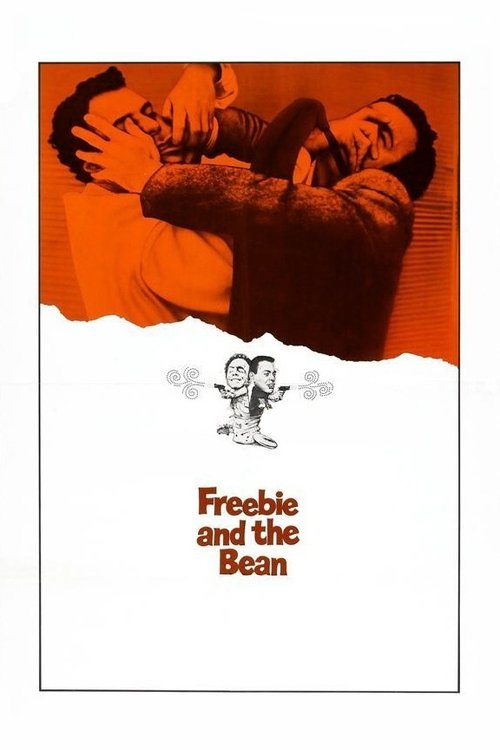
1974
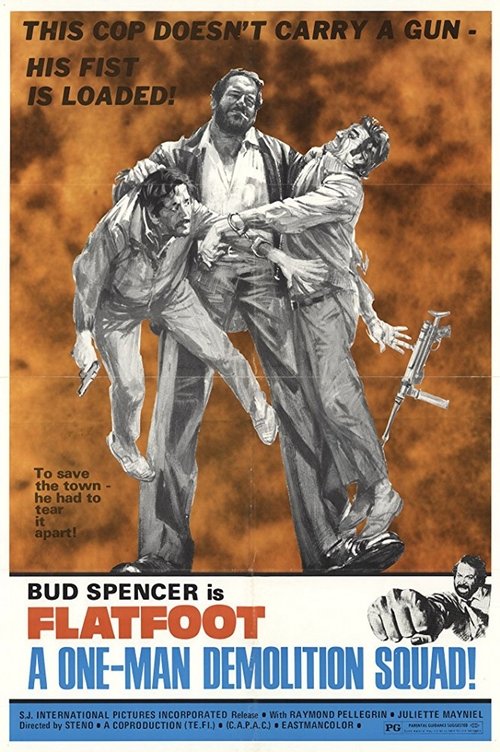
1973

1980
1973
1977
1980
1968
No reviews yet. Be the first to share your thoughts on this movie!
Use the rating form above to leave a star rating and optional review.