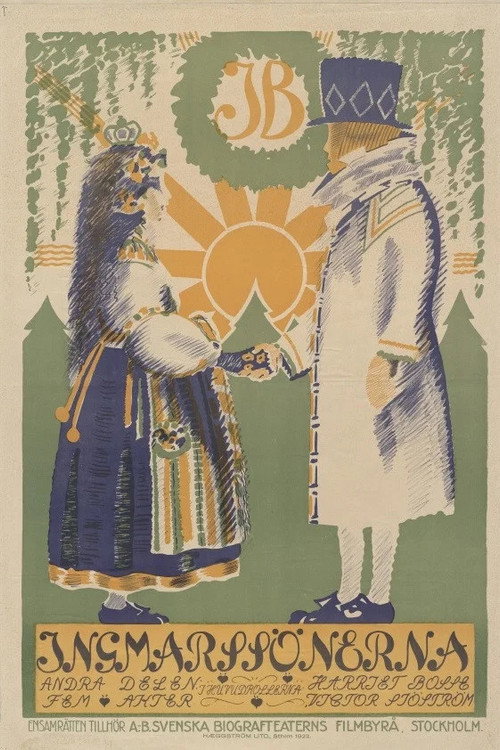
Sons of Ingmar
1919
No user ratings available yet
Representation score: 2.5 out of 10

Representation Score
Limited
1920
Director
Victor Sjöström
Runtime
115 minutes
Average Rating
No ratings yetNew Showbiz Analysis
Victor Sjöström’s drama succeeds in shifting the focus from external masculine action to the internal moral landscape of its female protagonist. By centering Karin, the film offers a sophisticated look at womanhood and ability to act within a restrictive agrarian society. However, the film is deeply rooted in the demographic homogeneity of early 20th-century Sweden, offering almost no representation for LGBTQ+ individuals, people of color, or those with disabilities. While it provides psychological depth and a progressive focus on female experience, its lack of diverse representation keeps the overall score low.
Category Breakdown
The film does not include any LGBTQ+ characters or explore non-straight relationships. It focuses on traditional romantic and family structures typical of 1920s rural Swedish stories.
The story challenges traditional patriarchal dominance by centering Karin as the emotional and narrative focal point. It delves into the social pressures and moral complexities faced by women in agrarian societies, offering a nuanced portrayal of their roles.
Set in rural Sweden, the film reflects a highly homogeneous demographic. The casting and setting align with the historical reality of the region, resulting in a lack of racial or ethnic diversity.
The film explores the tension between personal desires and communal expectations. It leans towards a psychological exploration of guilt and redemption rather than purely didactic religious moralizing.
There is no evidence of characters with visible or invisible disabilities being used as central narrative drivers or plot devices.
Present on Screen
Limited or Absent
Official Synopsis
Karin Daughter of Ingmar is a 1920 Swedish silent drama film directed by Victor Sjöström. It is the second part in Sjöström's large-scale adaption of Selma Lagerlöf's novel Jerusalem, following Sons of Ingmar from the year before, and depicting chapter three and four from the novel. The critical reception was however unenthusiastic and Sjöström decided to not direct any more parts.
1919
1921
1920
1987
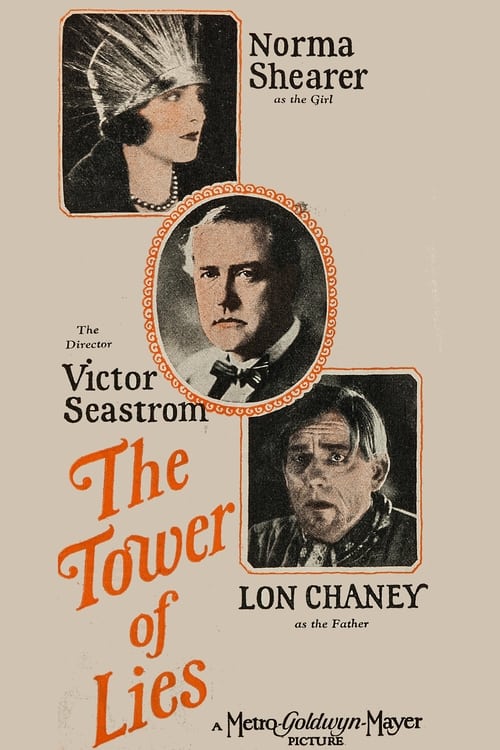
1925
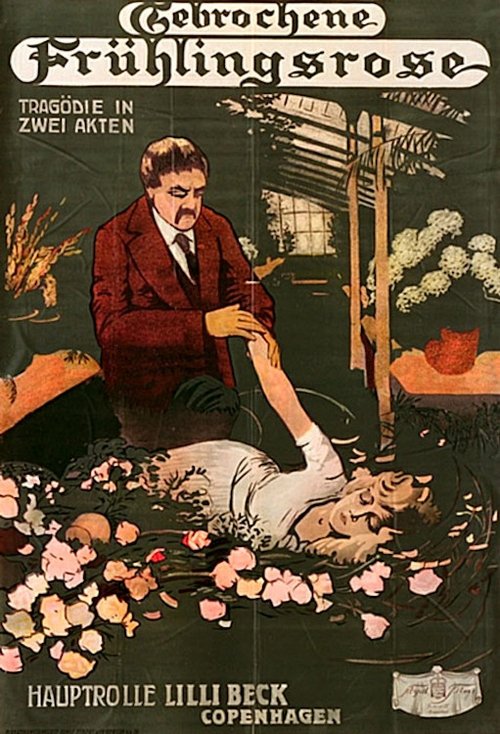
1912

1924
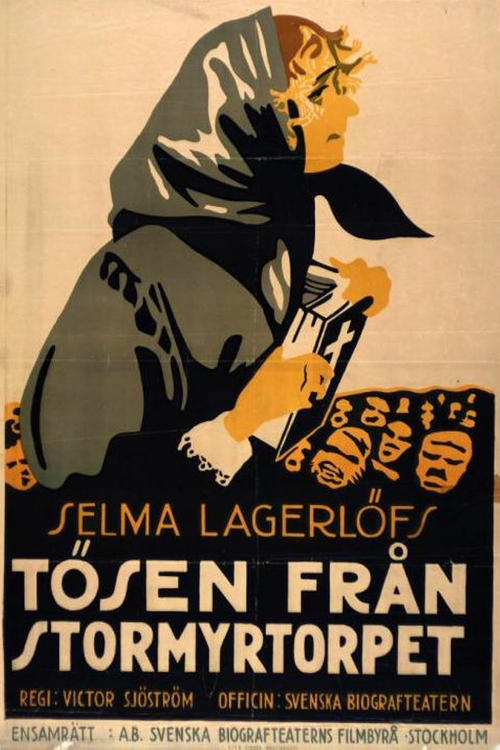
1917
No reviews yet. Be the first to share your thoughts on this movie!
Use the rating form above to leave a star rating and optional review.