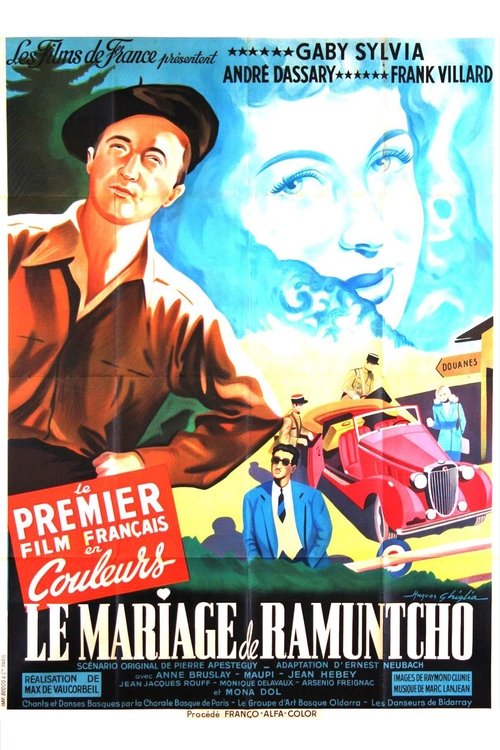
The Marriage of Ramuntcho
1947
No user ratings available yet
Representation score: 2.7 out of 10
Representation Score
Minimal
1938
PassedDirector
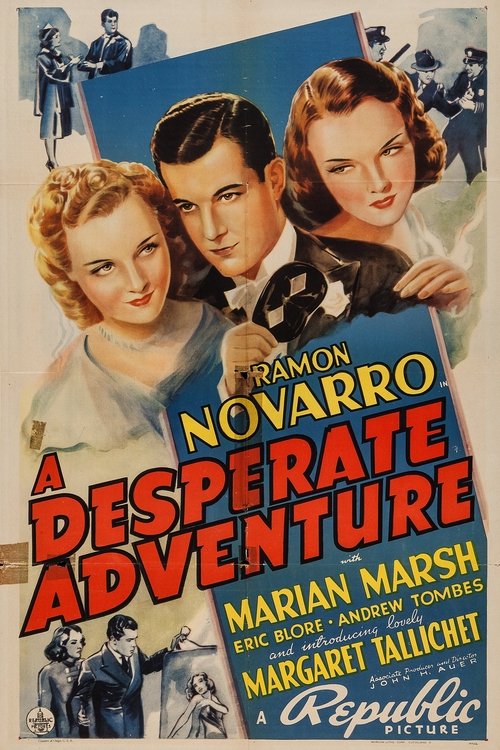
John H. Auer
Runtime
63 minutes
Average Rating
No ratings yetNew Showbiz Analysis
A Desperate Adventure is a conventional 1938 romantic comedy that prioritizes individual emotional conflict over social or multi-layered exploration. The narrative architecture is built around a singular protagonist's reaction to a misunderstanding involving his art and his friends. Given that the film was produced during a period of strict industry codes, it adheres to the standard storytelling conventions of its era. The focus remains on personal temperament and interpersonal drama rather than any meaningful deconstruction of social hierarchies or systemic issues. Ultimately, the film functions as a traditional piece of entertainment. It lacks the breadth of representation required to move beyond the Eurocentric and straight-centered norms of the late 1930s.
Category Breakdown
The film follows a traditional romantic comedy structure. There is no evidence of non-straight or non-cisgender identities or critiques of the assumption that everyone is straight or cisgender within the narrative.
The story centers on a male protagonist, a passionate French painter. The conflict focuses on his emotional volatility rather than challenging traditional gender roles.
The narrative maintains a Eurocentric focus centered on a French painter. There is no indication of a diverse or non-white majority cast.
The plot operates within traditional 1930s Western social structures. It treats art theft and social etiquette as personal matters rather than systemic critiques.
The film provides no information regarding characters with visible or invisible disabilities.
Present on Screen
Limited or Absent
Official Synopsis
In this romantic comedy, a passionate French painter nearly goes berserk when he learns that his well-meaning friends have stolen one of his paintings so it can be exhibited.
1947
1948
1939
1938
1928
1940
1952
1938
No reviews yet. Be the first to share your thoughts on this movie!
Use the rating form above to leave a star rating and optional review.