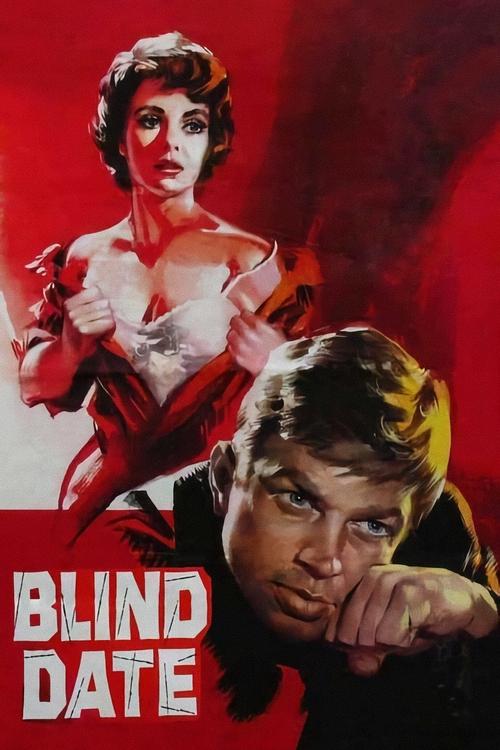
Blind Date
1959
No user ratings available yet
Diversity score: 3.9 out of 10

1962
Director
Umetsugu Inoue
Runtime
101 minutes
Average Rating
No ratings yetSynopsis
The cunning detective Akeichi must foil a kidnapping plot orchestrated by the notorious jewel thief known as Black Lizard.
Overall Score
Limited
Category Breakdown
LGBTQ+ Representation
The film follows a conventional detective-versus-thief conflict. It lacks explicit evidence of non-cisnormative identities or intentional queer visibility.
Gender Representation
The Black Lizard character provides a female protagonist with significant agency. However, it remains unclear if she subverts gender hierarchies or reinforces 1960s tropes.
Racial & Ethnic Diversity
As a 1962 Japanese production, the film likely features a homogeneous cast. There is no evidence of multicultural blending or race-bent casting.
Religious & Cultural Diversity
The narrative prioritizes individual morality and the restoration of social order. It does not show evidence of deconstructing traditional institutions.
Disability Representation
There is no evidence regarding the inclusion or portrayal of characters with physical or neurodivergent disabilities.
Strengths
Areas for Improvement
AI Analysis
Black Lizard functions as a traditional mystery-drama centered on a cat-and-mouse dynamic. The film relies on established genre archetypes rather than intersectional narrative architecture or social critique. While the central female character offers a degree of agency, the film largely adheres to the structural frameworks of its era. The production reflects the domestic cultural context of 1960s Japanese cinema without seeking to disrupt social hierarchies. Ultimately, the film is a standard genre piece. It focuses on stylistic tension and spectacle rather than diverse representation or systemic commentary.
1959
1945
1961
1981
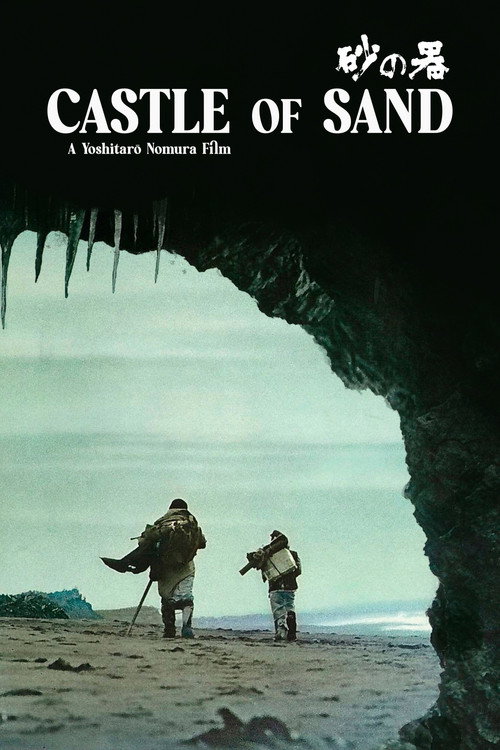
1974
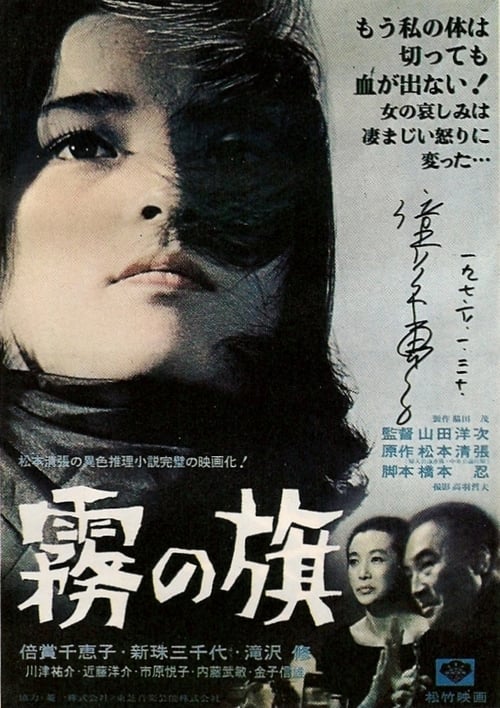
1965
No reviews yet. Be the first to share your thoughts on this movie!
Use the rating form above to leave a star rating and optional review.