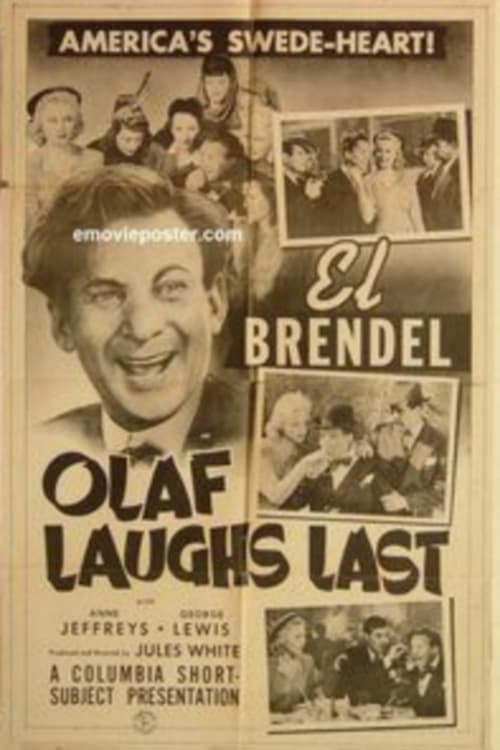
Olaf Laughs Last
1942
No user ratings available yet
Representation score: 1.5 out of 10
No Poster Available
Representation Score
Minimal
1950
ApprovedDirector
Jules White
Runtime
16 minutes
Average Rating
No ratings yetNew Showbiz Analysis
Marinated Mariner is a mid-century slapstick comedy that closely follows the comedic clichés and social structures of its time. The plot revolves around a conventional protagonist-versus-antagonist framework, centered on a local business owner's conflict with kidnappers. The film lacks depth in representing diverse identities, focusing instead on traditional archetypes. It operates within the norms of 1950s society, offering limited progressive narrative structure or identity-driven ability to act.
Category Breakdown
The film does not include any characters with LGBTQ+ identities. It seems to follow the traditional social norms typical of 1950s cinema.
The story focuses on a male proprietor named Andy. There is little indication of women's roles or diverse gender representation in this slapstick comedy.
The film likely reflects the homogeneous casting standards of the mid-20th century. No significant non-white representation is noted.
The story reinforces mid-century views of community stability through a small-business owner's conflict. It does not challenge Western cultural institutions.
No characters with visible or invisible disabilities are identified. There is no evidence of disability being used as a narrative device.
Present on Screen
Limited or Absent
Official Synopsis
Andy, the proprietor of an Oceanside lunch counter, tangles with a gang of kidnappers.
1942
1940
1941
1951
1950
1940
1955
1943
No reviews yet. Be the first to share your thoughts on this movie!
Use the rating form above to leave a star rating and optional review.