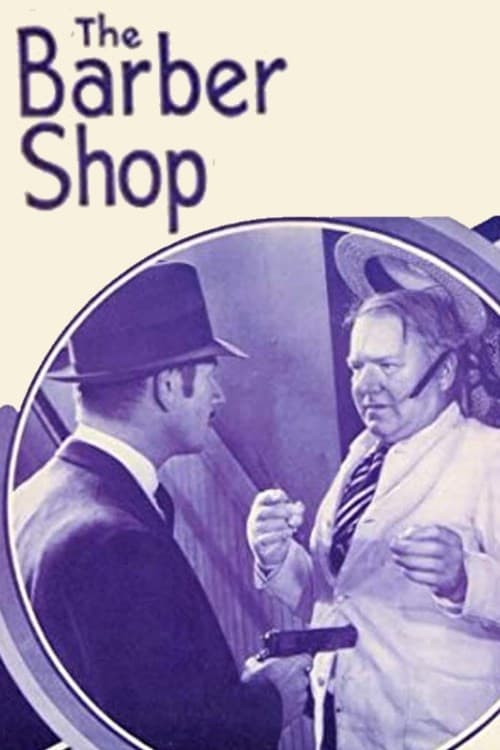
The Barber Shop
1933
No user ratings available yet
Diversity score: 2.2 out of 10

1933
Director
Arthur Ripley
Runtime
20 minutes
Average Rating
No ratings yetSynopsis
A henpecked but stoic pharmacist tries to maintain his precarious balance while dealing with demanding customers and his dysfunctional family.
Overall Score
Limited
Category Breakdown
LGBTQ+ Representation
The film adheres to the standard social frameworks of 1933. There is no evidence of non-cisnormative identities or narratives that critique heteronormativity.
Gender Representation
The story uses the 'henpecked' trope to disrupt traditional masculine dominance. However, it relies on gendered power dynamics where women are framed as sources of domestic friction.
Racial & Ethnic Diversity
The film likely reflects the homogeneous demographic norms of its era. There is no evidence of significant non-white agency or diverse casting in the ensemble.
Religious & Cultural Diversity
The narrative centers on traditional social units and conventional social orders. It focuses on small-town professional struggles rather than deconstructing religious or secular institutions.
Disability Representation
The available synopsis contains no mention of characters navigating physical, neurodivergent, or mental health conditions.
Strengths
Areas for Improvement
AI Analysis
The Pharmacist is a conventional 1930s comedy that prioritizes individual domestic struggles over systemic critique. It functions within the standard social and demographic hierarchies of its time, offering little in the way of intersectional representation. While the film introduces a slight subversion of masculinity through its henpecked protagonist, it remains tethered to traditional gendered tropes. The lack of racial or LGBTQ+ visibility is consistent with the era's production standards. Ultimately, the film serves as a period piece that reflects the homogeneous social structures of early 20th-century cinema rather than challenging them.
1933
1934
1936
1934

1924

1921
1939

1940
1931
1916
1949
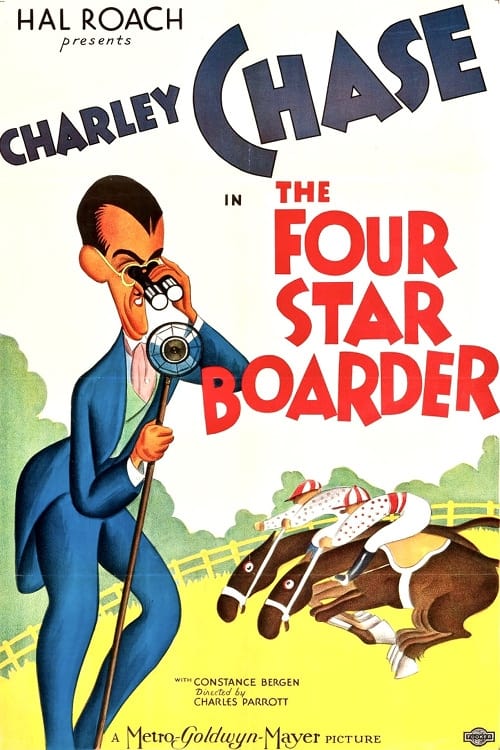
1935
No reviews yet. Be the first to share your thoughts on this movie!
Use the rating form above to leave a star rating and optional review.