
The Silent Child
2017
No user ratings available yet
Representation score: 5.7 out of 10
Representation Score
Fair
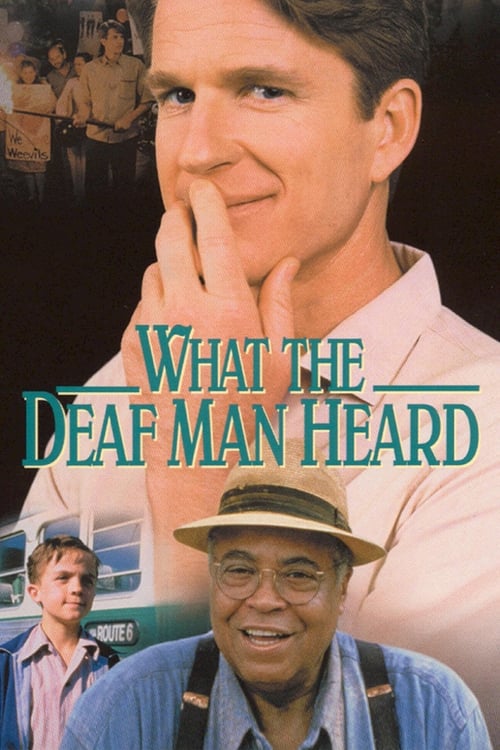
1997
PGDirector
John Kent Harrison
Runtime
99 minutes
Average Rating
No ratings yetNew Showbiz Analysis
The film effectively grants a significant role in driving the story to a character with a disability, transforming a perceived limitation into a psychological advantage. This approach avoids common clichés of pity or inspiration porn. However, the work remains confined by its period setting and traditional narrative structures. While the casting of Robert Guillaume offers meaningful racial representation, the film lacks deeper exploration of intersecting identities. Ultimately, the story prioritizes individual survival over a critical examination of the social hierarchies present in the 1945 setting.
Category Breakdown
The film does not include any LGBTQ+ characters or themes. It focuses solely on the protagonist's survival and the mystery surrounding his family's past.
Female characters are mainly portrayed as victims of violence, reinforcing traditional stereotypes of vulnerability. The film follows a mid-20th-century narrative structure with minimal subversion of gender roles.
Robert Guillaume's casting provides meaningful representation. The story uses the protagonist's racial identity and perceived otherness to explore social interactions in 1945 Georgia.
Set in the American South during 1945, the film adheres to the social structures of the time. It functions as a character study rather than a critique of institutional or cultural norms.
The protagonist uses his perceived deafness and mutism strategically to gain advantages. The film portrays his condition as a source of personal power rather than pity.
Present on Screen
Limited or Absent
Official Synopsis
In 1945, a young boy arrives in a small Georgia town on a bus from which his mother was abducted and murdered. Alone he sits quietly and everyone becomes convinced that he is deaf and mute. Deciding that silence offers some power and protection, the boy decides to remain mute and just listens to all that is being said around him by people who think that he cannot hear.
2017
1962
1974

1998
2001
1986

1996

2001
No reviews yet. Be the first to share your thoughts on this movie!
Use the rating form above to leave a star rating and optional review.