Marie's Story
2014
No user ratings available yet
Representation score: 5.0 out of 10
Representation Score
Excellent
2001
Director
Christoph Schaub
Runtime
90 minutes
Average Rating
No ratings yetNew Showbiz Analysis
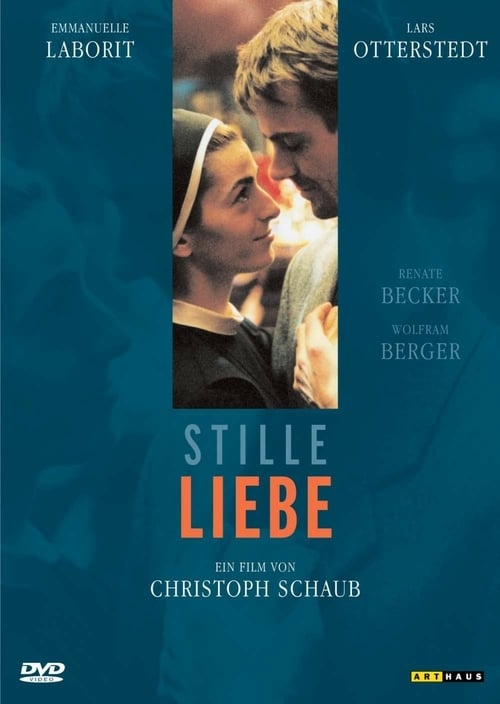
Stille Liebe is a character-driven drama that excels in representing the Deaf community through a shared linguistic bond. By focusing on the connection between Antonia and Mikas, the film avoids common stereotypes about disability. The narrative also challenges traditional religious and gender hierarchies. Antonia's transformation from a submissive nun to an ambitious actress illustrates a powerful arc of autonomy and independence. However, the film's setting is relatively homogeneous, limiting its exploration of diverse racial and ethnic backgrounds.
Category Breakdown
The story focuses on a relationship between Antonia and Mikas, which challenges traditional religious expectations by emphasizing personal choice and romantic freedom. The film highlights the importance of personal ability to act over the expected celibacy.
Antonia defies traditional female roles by rejecting religious submission and pursuing a career in acting. Her journey from a convent to a successful actress showcases her ambition and self-actualization.
The film is set in a relatively homogeneous European environment, specifically within a German convent, with no significant racial blending or non-white majority casting.
The film questions established religious institutions by valuing personal truth over dogmatic rules. It portrays traditional authority figures, such as the police, with skepticism, highlighting their role in the narrative.
Deafness is a central part of Antonia and Mikas' identities, serving as a key element in their relationship rather than a plot device. Their shared linguistic bond is integral to their connection and empowerment.
Present on Screen
Limited or Absent
Official Synopsis
Verena, the mother superior at a German convent, tells the story of young nun Antonia. Born deaf and taken in by the convent at a young age, Antonia was raised to be a sister. At the age of 27, Antonia begins commuting to work at a men's shelter in town. There she meets handsome pickpocket Mikas, who is also deaf. Mikas courts Antonia and the two become lovers. But when Mikas is tragically killed by police, Antonia decides to take her fate into her own hands and travels to America where she will study to become an actor.
2014

2010

2009

2001

2017
1999

1957
1986
No reviews yet. Be the first to share your thoughts on this movie!
Use the rating form above to leave a star rating and optional review.