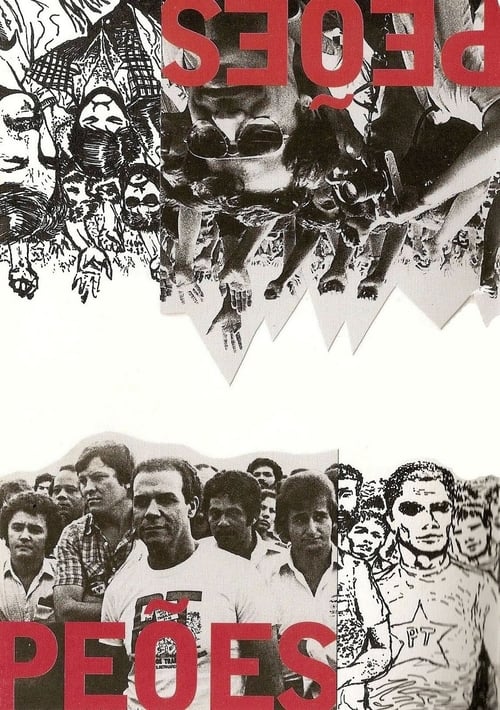
Metalworkers
2004
No user ratings available yet
Representation score: 7.8 out of 10
Representation Score
Fair
1982
Director
Renato Tapajós
Runtime
90 minutes
Average Rating
No ratings yetNew Showbiz Analysis
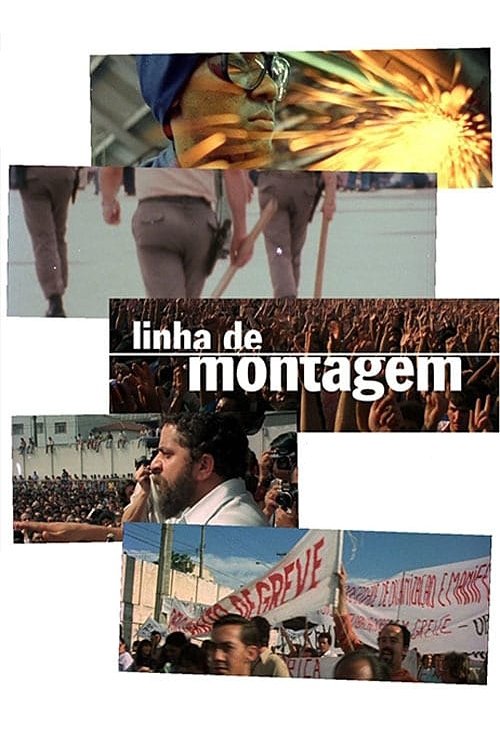
Linha de Montagem serves as a crucial historical document of the Brazilian labor movement and the rise of the Workers' Party. Its primary strength lies in its critique of military-backed state and capitalist hierarchies. By focusing on the struggles of the industrial proletariat, the film highlights the ability to act of the masses against established power structures. However, the film's scope is narrow regarding individual identity politics. The focus on industrial strikes results in a narrative dominated by male-centric labor roles and lacks visible representation of LGBTQ+ or disabled individuals. While it excels at portraying class-based cultural resistance, it offers limited insight into gender or queer diversity.
Category Breakdown
The film focuses on class-based mobilization rather than exploring LGBTQ+ identities. There is no explicit depiction of LGBTQ+ character arcs or exploration of non-traditional gender identities.
The documentary highlights an industrial labor force that was predominantly male. Although it examines the disruption of hierarchies, it does not provide specific examples of female leadership.
The film captures a multi-ethnic working class during a critical period in Brazilian history. It emphasizes the ability to act of the underrepresented workers over elite structures.
The narrative centers on collective action against oppressive military and capitalist institutions. It portrays the labor movement as a challenge to established political and economic power dynamics.
There is no documented evidence regarding the portrayal of physical or neurodivergent disabilities in this work.
Present on Screen
Limited or Absent
Official Synopsis
Documentary about the strikes that took place in São Bernardo do Campo, in the State of São Paulo, Brazil, circa 1979/1980. That moment was of utmost importance, since it revealed a Union leader, Luís Inácio "Lula" da Silva, who would later become President of Brazil. It was also the moment when PT, the Workers' Party, became a relevant political force in Brazil.
2004

1977
1990
2002
1980
2019
1968
1972
No reviews yet. Be the first to share your thoughts on this movie!
Use the rating form above to leave a star rating and optional review.