Good Morning President
2009
No user ratings available yet
Diversity score: 5.7 out of 10
2012
PG-13Director
Charles S. Dutton
Runtime
85 minutes
Average Rating
No ratings yetSynopsis
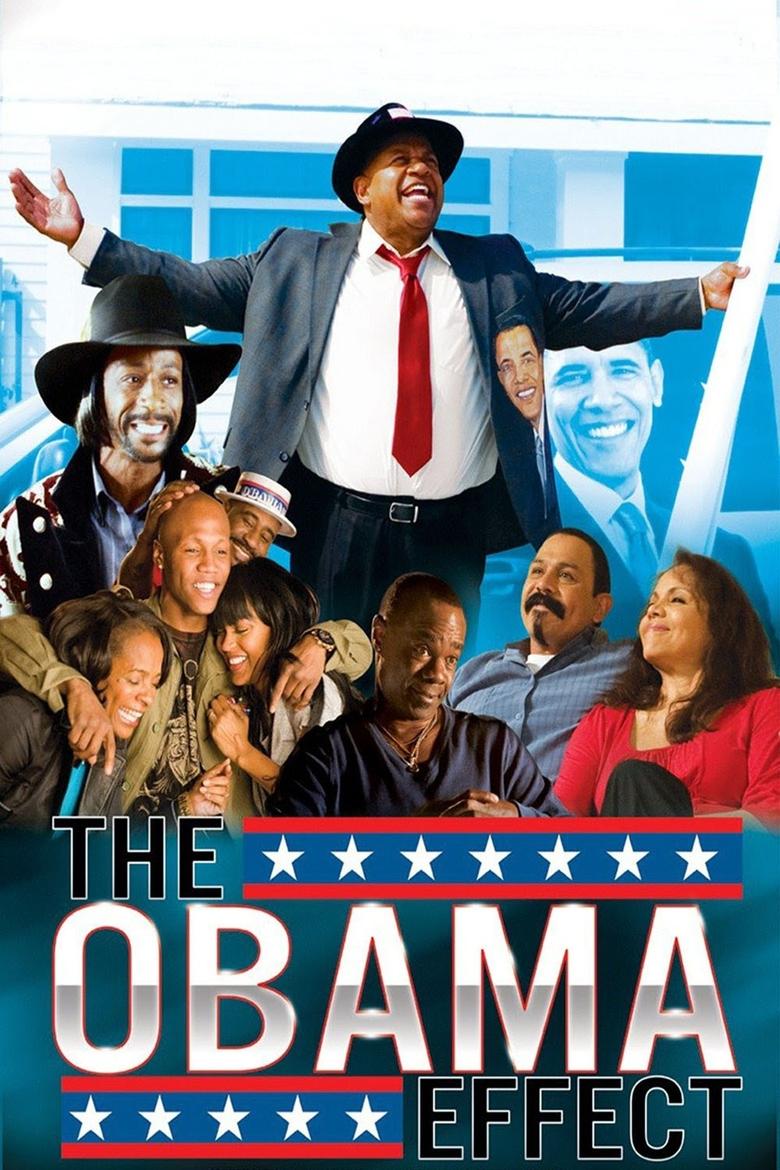
A serious health scare ignites John Thomas, an insurance salesman in his 50s, to take a closer look at his life. Motivated by a misguided obsession with getting Barack Obama elected, John takes an overwhelming involvement in the Presidential campaign. While John becomes obsessed with the ideal of change that Obama represents for Americans, he has in turn neglected to create positive change in his own life, particularly with regard to his health and familial relationships. John hides his health problems from his strong, yet supportive wife, Molly, creating a strain on their marriage. John seeks the support of a Republican relative, MLK, who initially starkly resists supporting a Democratic candidate. John's son, Kalil, rebels against his father's avid support of Obama by supporting the Republican candidate as well. John neglects to support his daughter, Tamika, at a crucial moment in her life...
Overall Score
Fair
Category Breakdown
LGBTQ+ Representation
The film lacks explicit LGBTQ+ characters or narratives. The story focuses on a traditional nuclear family and partisan political tensions rather than non-heteronormative identities.
Gender Representation
Molly is depicted as a strong, supportive wife, avoiding submissive tropes. However, the narrative places significant emotional labor on her as John's political obsession leads to domestic neglect.
Racial & Ethnic Diversity
The film centers on a Black family navigating the political impact of a Black presidency. It explores intra-racial ideological diversity through the tension between John and his Republican relative.
Religious & Cultural Diversity
The narrative explores how political idealism can disrupt domestic stability and traditional family units. It critiques rigid political adherence through characters who resist the Democratic movement.
Disability Representation
A serious health scare serves as the primary catalyst for the protagonist's mid-life crisis. It remains unclear if the illness is treated with agency or used as a plot device.
Strengths
Areas for Improvement
AI Analysis
The film succeeds in providing racial agency by centering a Black family's experience during a transformative political era. It avoids monolithic portrayals by showcasing internal ideological conflicts within the Black community. However, the film's scope is limited by its focus on a traditional family structure, leaving little room for LGBTQ+ or neurodivergent perspectives. The use of health issues also feels more like a narrative engine than a deep exploration of disability. Ultimately, the work is a nuanced character study that examines the friction between systemic political change and personal responsibility.
2009
2013

2012

2017

2008
2003
2009
2004
2003
1997
2010

2013
No reviews yet. Be the first to share your thoughts on this movie!
Use the rating form above to leave a star rating and optional review.