
The Babysitter
2017
No user ratings available yet
Representation score: 6.1 out of 10

Representation Score
Limited
2017
TV-MADirector
Eli Craig
Runtime
94 minutes
Average Rating
No ratings yetNew Showbiz Analysis
Little Evil primarily serves as a genre-parody that stays within the boundaries of traditional Western comedic clichés. While the director has a history of disrupting genre conventions, this film prioritizes the subversion of parental competence over identity politics. The narrative structure relies on a homogeneous cast and a localized domestic setting. This focus limits the film's ability to engage with diverse social dynamics or challenge broader social hierarchies. Ultimately, the film functions as a satire of the nuclear family unit rather than an exploration of diverse social dynamics.
Category Breakdown
The film focuses on a family unit that assumes everyone is straight and cisgender. There are no characters or stories that question traditional sexual orientations or gender identities.
The female lead plays a significant role in driving the story during a domestic crisis. However, the male protagonist is often portrayed as incompetent, following typical parental archetypes.
The film is set in a homogeneous suburban environment with a lack of diverse casting. The narrative does not challenge the Anglo-Saxon norm.
The story uses religious symbols to parody the Antichrist cliché. It focuses on the dysfunction of the nuclear family rather than broader cultural critiques.
There are no prominent depictions of disabilities, neurodivergence, or chronic illnesses that influence the plot or character development.
Present on Screen
Limited or Absent
Official Synopsis
Gary, who has just married Samantha, the woman of his dreams, discovers that her six-year-old son may be the Antichrist.
2017
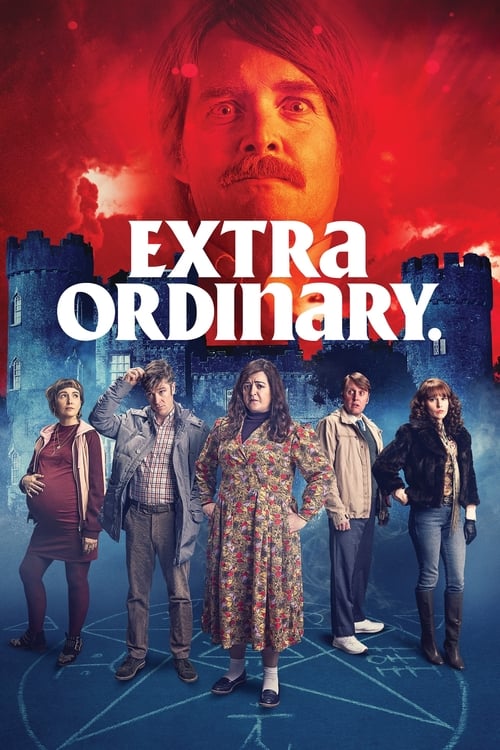
2019
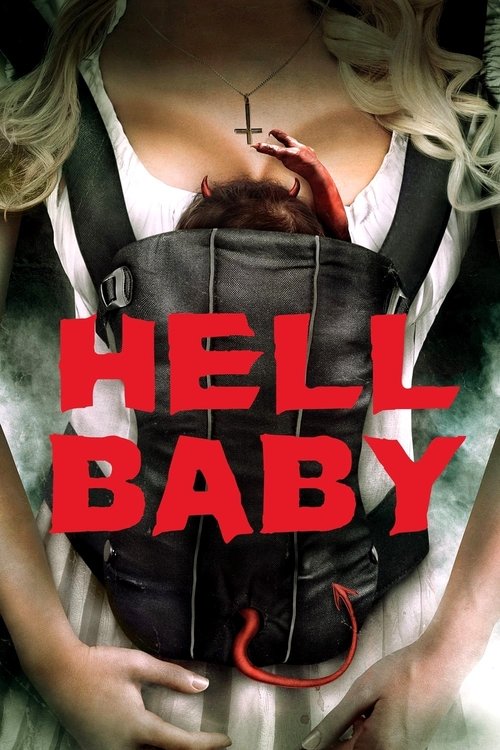
2013

2014

2005

2020
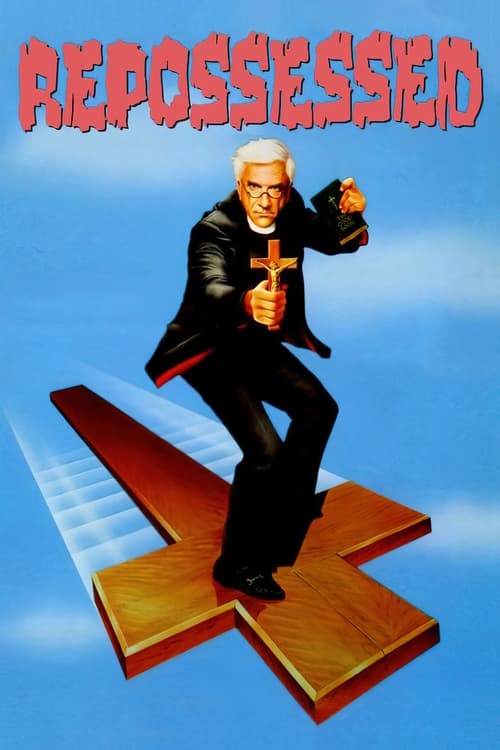
1990
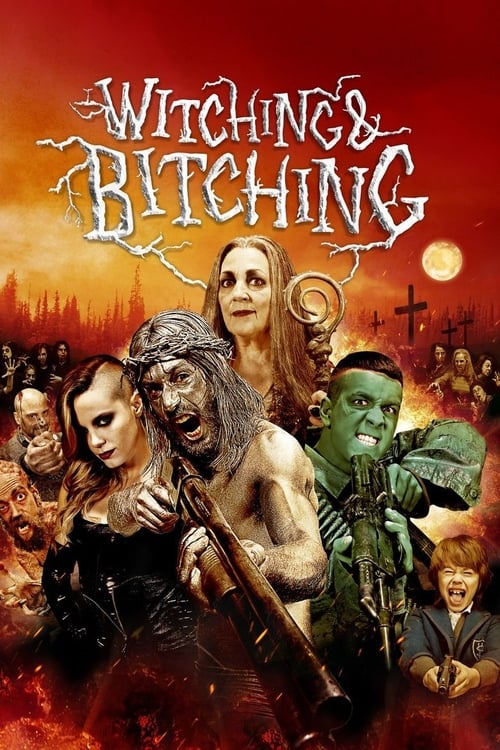
2013
No reviews yet. Be the first to share your thoughts on this movie!
Use the rating form above to leave a star rating and optional review.